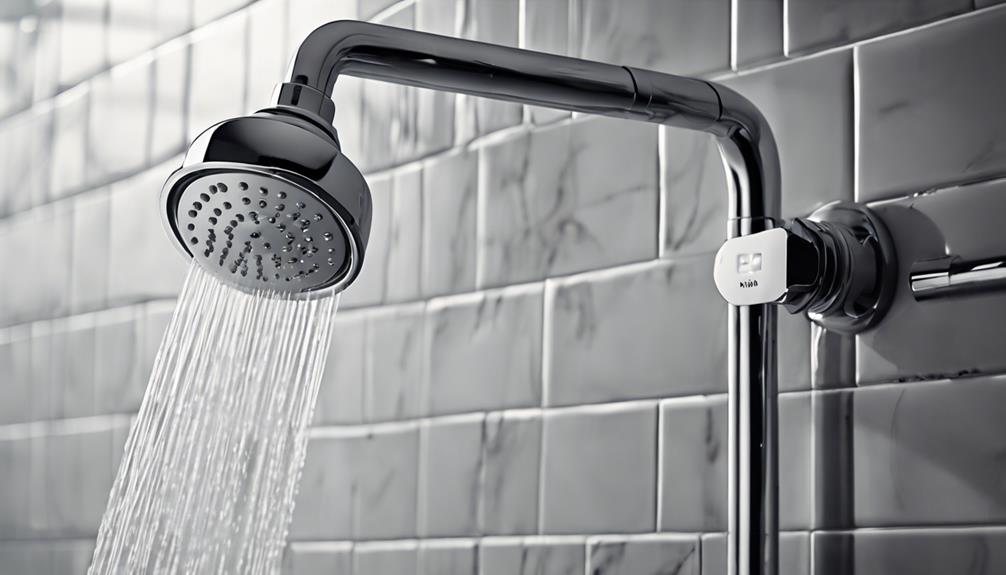

A spy camera shower head combines the familiar form of a bathroom fixture with concealed recording hardware. That combination is what makes it different from an ordinary security camera: the device is designed to look like part of the shower rather than an obvious piece of surveillance equipment.
Because bathrooms are highly private spaces, this type of product raises serious ethical and legal concerns. Its technical features may sound convenient, but recording people without their knowledge or permission can cause significant harm and may violate privacy laws. Any discussion of these devices should therefore consider both how they are presented and the consequences of using them.
A camera hidden inside an everyday fixture
The main distinguishing feature is the camera’s placement inside, or behind the appearance of, a shower head. Instead of looking like a standalone lens, the device is intended to blend into an existing bathroom fitting. This can make the camera difficult to notice during a casual inspection.
That discreet appearance is also the source of the greatest risk. A bathroom is normally understood to be a private environment, so concealed recording in this setting can be especially intrusive. A person entering the room may have no reasonable way to know that video is being captured.
More than a conventional shower head
These products are described as having dual functionality: they resemble a working shower head while also incorporating a camera. The visual design may follow common bathroom styles, including finishes intended to match other fixtures. This allows the device to appear less conspicuous than a visible camera mounted on a wall or ceiling.
However, a product’s ability to look like ordinary bathroom hardware does not make its use appropriate. Surveillance should never be hidden from people who may be recorded, particularly in spaces where changing clothes, bathing, or other private activities take place. Consent, necessity, and local law matter more than the device’s appearance.
Wireless access and remote monitoring
Some spy camera shower heads are promoted with wireless connectivity. In principle, this can allow a user to view a live feed or access recordings through a connected phone, tablet, or computer. Remote access is often presented as a convenience because the user does not need to be physically near the bathroom to check the camera.
Wireless access also introduces additional security and privacy questions. Video could be exposed if an account, device, or network connection is poorly protected. Anyone considering surveillance equipment should use strong account credentials, secure the associated network, limit access to authorised people, and understand where recordings are stored.
Most importantly, remote monitoring does not remove the need for informed consent. A password can protect footage from outsiders, but it does not make secret recording ethically acceptable.
Designed for a wet environment
A shower-mounted camera must be presented as suitable for moisture-rich conditions. Manufacturers may describe such products as waterproof or water-resistant, but those terms should not be treated as interchangeable. The precise protection offered depends on the product’s specifications and installation requirements.
Any electrical or electronic item placed near water requires particular caution. Incorrect installation could create risks of water damage, malfunction, or electrical danger. A device should not be fitted in a shower solely because its exterior resembles a standard shower fixture. The manufacturer’s safety information and applicable building or electrical requirements should be followed.
Why the discreet design is controversial
The same qualities that make a spy camera shower head appear unusual—concealment, remote access, and integration into a private room—also make it controversial. The device can blur the boundary between legitimate security monitoring and voyeuristic or unauthorised surveillance.
Claims that a camera is intended to protect property or monitor a household do not automatically justify placing it in a bathroom. A safer approach is to use visible security equipment in appropriate areas, such as entrances or shared spaces, and to notify everyone who may be recorded. Bathrooms, bedrooms, and changing areas should generally be treated as off-limits for surveillance.
Questions to consider before using any bathroom camera
- Have all people who could be recorded given clear, informed permission?
- Does the proposed use comply with local privacy and recording laws?
- Is there a less intrusive way to address the security concern?
- How will live video and stored recordings be protected?
- Does the device meet appropriate safety requirements for installation near water?
A spy camera shower head stands out because it merges a concealed camera with an everyday bathroom object. Its wireless and moisture-resistant features may add technical convenience, but they do not outweigh the privacy implications of hidden recording in a shower. In practice, transparency, consent, and safety should guide any decision involving surveillance technology in or around a bathroom.