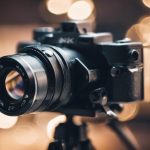

A pin camera spy is a compact camera designed to capture video from a small, unobtrusive housing. Its size makes it useful in situations where a conventional security camera would be difficult to install or too noticeable. Depending on the model, a pin camera may include video recording, audio capture, wireless connectivity, motion detection, night vision, and onboard storage.
These capabilities can support legitimate security, documentation, and investigative work. However, the discreet nature of the equipment also creates important privacy, legal, and ethical responsibilities. A pin camera should only be used for a clearly defined and lawful purpose, with appropriate consent whenever recording could affect another person’s privacy.
How Pin Cameras Developed
Small surveillance cameras emerged as camera and electronic technologies became more compact during the mid-20th century. Early devices were larger and more limited than the miniature cameras available today. Continued progress in miniaturisation, image sensors, batteries, and digital storage made it possible to build cameras that could fit into much smaller enclosures.
The result is a class of equipment that can be installed in restricted spaces or used for discreet observation. Modern designs may record directly to internal or removable storage, while some models can transmit footage to another device over a wireless connection. Features vary considerably, so product specifications should be checked rather than assumed.
Key Features
Compact construction
The defining characteristic of a pin camera is its small lens and compact body. This allows it to be incorporated into a permitted security installation or placed where a larger camera would not be practical. Compactness can also make the device easier to transport, but it should never be used as a reason to record people secretly in private settings.
Video and audio recording
Many pin cameras are designed to capture video, and some also include a microphone. Clear video can help document events, while audio may provide additional context. Audio recording is particularly sensitive because laws may regulate the recording of conversations differently from video. Before enabling a microphone, confirm that recording is lawful and that the people involved have been informed or have provided the required consent.
Motion detection
Motion detection can begin recording when movement is identified within the camera’s field of view. This may reduce unnecessary footage and conserve battery or storage capacity. It can be useful for monitoring an authorised area when continuous recording is impractical, although movement-triggered recording may miss activity outside the detection range or produce unwanted recordings.
Low-light and night vision
Some models can produce footage in low-light conditions, often with infrared assistance. Night vision can extend monitoring beyond daylight hours, but performance depends on the camera, the environment, and the available light. Users should test image quality in the actual installation area rather than assuming that night footage will be equally clear.
Wireless access and storage
Wireless connectivity may allow authorised users to view or transfer footage remotely. This can be convenient, but it also introduces security risks if accounts, networks, or devices are poorly protected. Use strong, unique passwords, enable available security features, update the device when updates are provided, and limit access to people who genuinely need it.
Storage capacity also affects practical use. More storage allows a longer recording history, while motion-triggered recording may extend the available time. Important footage should be handled carefully and retained only for as long as there is a legitimate reason to keep it.
Appropriate Uses
Pin cameras can have legitimate applications when used transparently and within the law. Examples include monitoring an authorised property, documenting an agreed inspection, supporting a security system, or recording a professional activity where everyone involved understands the arrangement. Employers, landlords, investigators, and security personnel may face additional rules governing notice, consent, access, and retention of recordings.
- Define the security or documentation purpose before installing the camera.
- Record only in areas where monitoring is permitted.
- Provide notice or obtain consent when required.
- Restrict access to recorded material.
- Delete footage when it is no longer needed for the stated purpose.
Legal and Ethical Responsibilities
Covert recording can infringe privacy and may violate laws relating to surveillance, trespass, data protection, or intercepted communications. Private spaces such as bedrooms, bathrooms, and changing areas require particular caution and may be protected by strict rules. Laws also differ by location, so the same conduct may not be treated identically everywhere.
Beyond legal compliance, responsible use means respecting people’s reasonable expectation of privacy. A camera should not be used to spy on someone, collect personal information without justification, or share recordings beyond the original purpose. When the legal position is uncertain, obtain advice from a qualified local professional before recording.
Making a Responsible Choice
When evaluating a pin camera, consider its image quality, audio options, low-light performance, motion detection, battery life, storage method, wireless security, and access controls. Just as important is the intended location and the privacy impact of recording there. The most suitable device is not necessarily the smallest one; it is the one that meets a legitimate need while protecting the rights and safety of everyone affected.