
The phrase CCTV camera rate can describe two different things: a camera’s recording speed, measured in frames per second (fps), and the price of the equipment, installation, storage, or monitoring service. Understanding both meanings makes it easier to compare surveillance systems and choose equipment that fits the intended environment and budget.
What Does CCTV Camera Rate Mean?
When discussing video performance, the rate usually refers to frame rate. A camera recording at 15 fps captures 15 individual images each second, while a camera recording at 30 fps captures twice as many. Higher frame rates generally make moving subjects appear smoother and can provide more images to review during a fast event.
Frame rate is only one part of image quality. Resolution, lens selection, lighting, sensor performance, shutter speed, and compression also affect whether recorded footage is useful. A high-fps camera will not necessarily produce clear identification footage if the scene is dark, the lens is unsuitable, or the subject is too far away.
In a pricing context, the CCTV camera rate may include some or all of the following:
- The camera, lens, and mounting hardware
- A digital video recorder or network video recorder
- Cabling, power supplies, and network equipment
- Installation and system configuration
- Local storage or cloud recording fees
- Remote monitoring, maintenance, or support
How Frame Rate Affects a Surveillance System
Higher frame rates can be useful where movement is frequent or where reviewing a rapidly changing incident matters. They also create more data. Recording at a higher rate can increase network traffic, storage consumption, and in some cases power requirements.
For many home and small-business situations, a moderate frame rate may provide a practical balance between smooth playback and manageable storage. The right choice depends on the scene rather than on the highest specification available. A quiet entrance, for example, may have different requirements from a busy checkout area or a vehicle access point.
Other specifications to compare
- Resolution: Determines how much visual detail the camera records.
- Low-light performance: Important for footage captured at night or in poorly lit rooms.
- Dynamic range: Helps when a scene contains both bright and shadowed areas.
- Compression: Efficient codecs can reduce storage and bandwidth requirements, although settings still affect quality.
- Field of view: A wider view covers more space but may show less detail on distant subjects.
- Connectivity: Wired systems may provide more consistent performance, while wireless cameras depend on signal quality and network capacity.
Hidden and Discreet Camera Applications
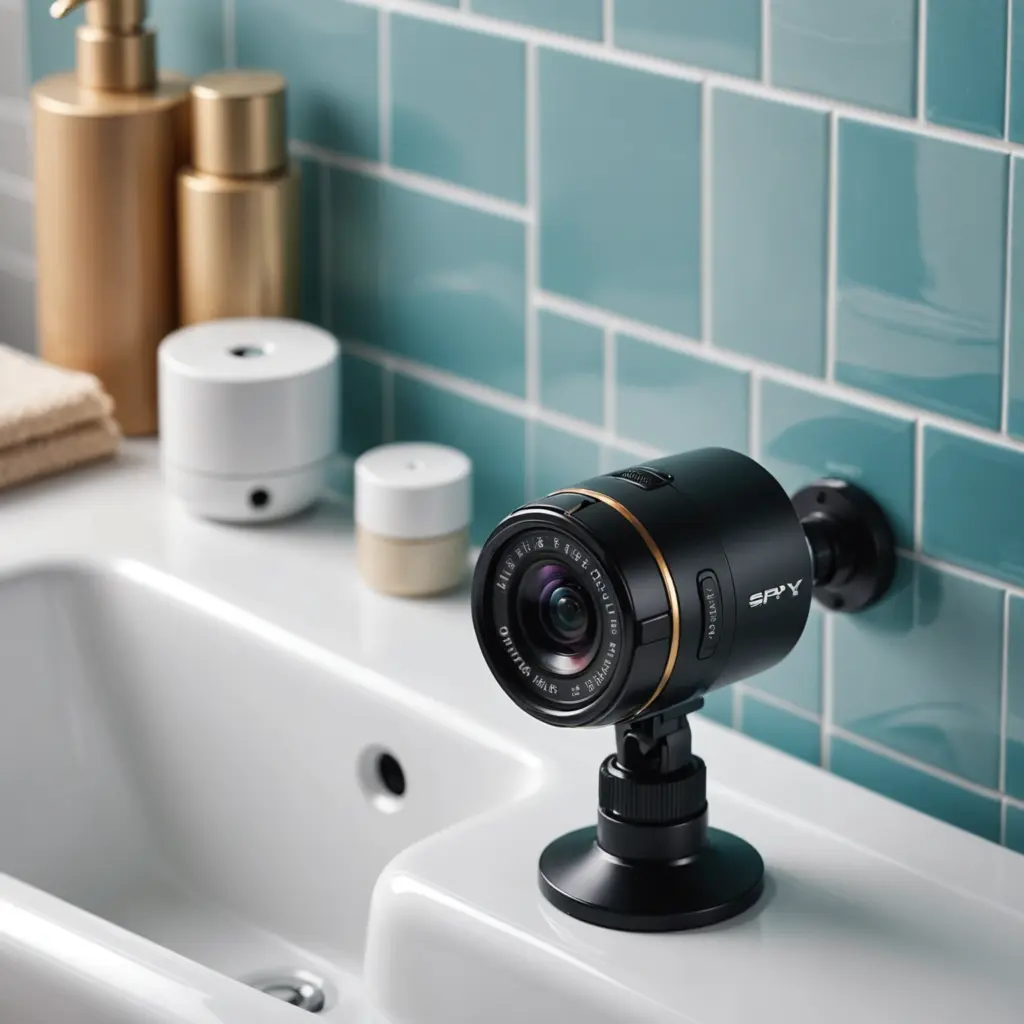
Discreet monitoring has different practical considerations from a visible CCTV installation. A small or concealed camera may be selected for its size, power consumption, low-light ability, or ease of placement rather than for the highest possible frame rate. A compact cc cam still needs suitable resolution and lighting to produce footage that can be reviewed effectively.
Higher frame rates may increase storage use and reduce battery life in portable equipment. For that reason, motion-triggered recording, scheduled recording, or a moderate frame rate may be more appropriate than continuous recording at maximum settings.
Any concealed recording should be used only where it is lawful and ethically justified. Privacy rules can apply to homes, workplaces, rented property, audio recording, and areas where people reasonably expect privacy. Obtain the necessary consent or authorization, follow applicable rules, and avoid placing cameras in private spaces without a clear legal basis.
Estimating the Total CCTV Camera Rate
Comparing the price of the camera alone can give an incomplete picture. Before choosing a system, estimate the complete cost of ownership. Include the number of cameras, installation complexity, recording hardware, retention period, replacement equipment, and any recurring subscription charges.
Storage requirements increase with resolution, frame rate, the number of cameras, and the length of time footage is retained. Motion-based recording can reduce storage in suitable environments, but it should be configured carefully so that important activity is not missed. Ask suppliers for expected storage use at the specific resolution and frame rate you plan to use rather than relying only on general product claims.
Choosing the Right System
Start by defining what the footage must show. If the priority is identifying faces, vehicles, or fast movement, consider resolution, lens coverage, lighting, and frame rate together. If the priority is general awareness, a wider view and dependable night performance may matter more than maximum fps.
When requesting quotes, ask for itemized pricing and confirm:
- Frame rate at each advertised resolution
- Recording method and estimated storage consumption
- Whether installation, configuration, and cables are included
- Any cloud, monitoring, or maintenance fees
- Warranty terms and equipment replacement arrangements
Regularly clean lenses, check that recordings are completing successfully, review access permissions, and install appropriate firmware updates. A carefully planned system with suitable storage and maintenance can deliver more reliable results than a system chosen solely for the highest frame rate or lowest initial CCTV camera rate.