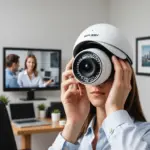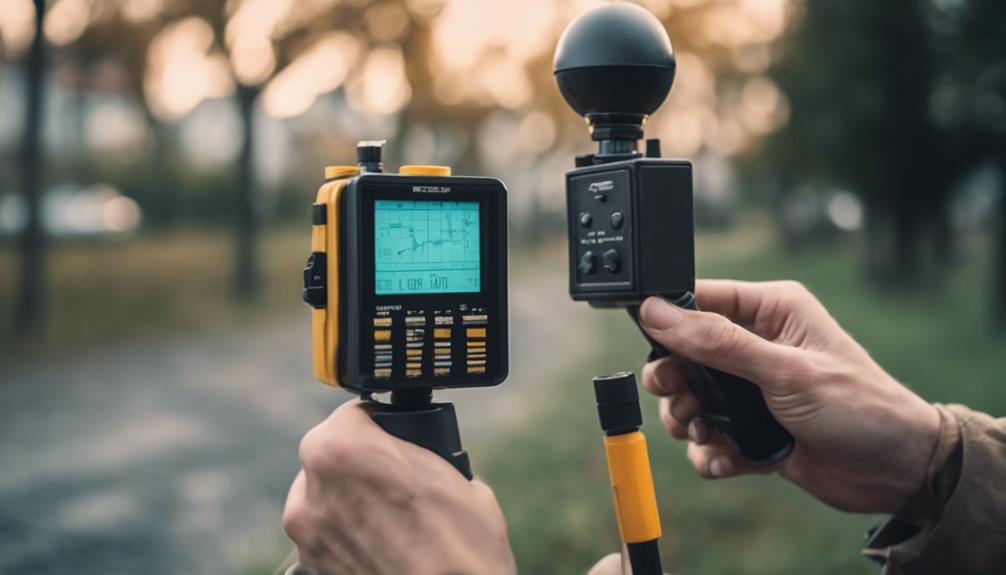

A thoughtful in-home security plan combines prevention, detection, and a practical way to review what happened. Traditional alarms remain useful, but compact cameras, motion sensors, smart locks, and portable monitoring devices can add flexibility for homeowners, renters, and property managers.
The best setup is not necessarily the most complicated one. It should match the property, the people who live there, and the situations you want to monitor. A visible camera may discourage unwanted activity, while a discreet device may help document events without changing how people or pets behave. Either option should be used responsibly and as part of a broader security plan.
Build security in layers
Security works best when several measures support one another. Consider combining:
- Strong doors, window locks, and secure entry points
- Exterior and interior lighting in areas that need better visibility
- Visible cameras or alarm panels that act as deterrents
- Motion, door, and window sensors for immediate alerts
- Camera coverage for entrances, shared spaces, garages, or other appropriate areas
- A plan for responding to alerts and preserving important recordings
This layered approach reduces reliance on a single device. For example, a door sensor may identify an opening, a camera may show what occurred, and an alarm or phone notification may draw attention to the event.
How to compare home security products
Before buying equipment, identify the spaces and events that matter most. A camera intended for a front entrance has different requirements from one used to check on a nursery, pet, or second home. Think about the following features:
- Recording method: Choose between continuous recording and motion-triggered clips based on the area and the amount of footage you need.
- Storage: Review whether recordings are saved locally, backed up online, or both. Understand how long footage is retained and who can access it.
- Power: Wired devices may provide consistent operation, while battery-powered models are easier to install or move but require regular charging.
- Connectivity: Confirm that the device can maintain a reliable connection from its intended location.
- Alerts: Adjustable motion settings can help reduce unnecessary notifications caused by pets, changing light, or household activity.
- Security and support: Look for account protection, encryption information, firmware updates, and a clear privacy policy.
- Ease of use: A system is more useful when household members can install it, review alerts, and update settings without difficulty.
Appropriate uses for discreet cameras
Discreet monitoring can be helpful in limited, clearly defined situations. Families may use it to check on a sleeping infant or observe how a pet behaves when left alone. In shared residential settings, a camera may help document suspected theft, vandalism, or an unauthorized entry. A family may also want to monitor a common area while arranging care for an older relative.
These uses require careful boundaries. A discreet camera should not be treated as a substitute for communication, supervision, or professional care. Recording should be limited to the area and period necessary for the stated security purpose. Cameras should never be placed in spaces where people reasonably expect privacy, including bathrooms and changing areas.
When a portable system makes sense
A portable home security system can be useful when permanent installation is impractical. Renters, travelers, and people managing a second property may prefer battery-powered cameras, compact sensors, or combination devices that can be moved without drilling or running cables.
Portable equipment can also help test a security plan. Temporarily positioning a camera or sensor may reveal blind spots and show whether the wireless signal is strong enough before a permanent setup is installed. During renovations or short-term occupancy, a movable system can provide additional awareness without becoming part of the building.
Portability comes with trade-offs. Check battery levels regularly, secure the device against tampering, and confirm that it reconnects properly after being moved. If the system depends on Wi-Fi or cellular service, verify coverage in every intended location.
Placement and ongoing maintenance
Place cameras where they can cover the required view without pointing into private areas or recording more of a neighbor’s property than necessary. Avoid locations where glare, obstructions, darkness, or frequent movement will make footage difficult to use. Test the view at different times of day and check that doors, pathways, and other important areas are not hidden by furniture or decorations.
Review the system periodically. Install available firmware updates, test alerts, inspect power connections, adjust motion sensitivity, and confirm that recordings can be retrieved. It is also worth reviewing who has access to the security account and removing access that is no longer needed.
Privacy, consent, and local requirements
Rules for recording audio and video vary by location and by the relationship between the people being recorded. Before installing a camera, check applicable laws and any rules for rental properties, shared homes, workplaces, or managed buildings. Informing caregivers, household staff, tenants, and guests about monitoring may be required or may prevent serious disputes.
Protect recorded footage as carefully as other sensitive household information. Use strong, unique account credentials, enable additional account protection when available, limit shared access, and avoid keeping recordings longer than necessary. When footage may be relevant to a break-in or other incident, preserve it securely and provide it to the appropriate authorities or insurer when requested.
A practical way to get started
Begin with the property’s main risks rather than with a particular gadget. Secure entry points, improve lighting, identify blind spots, and decide which alerts would genuinely help. Add cameras or portable devices only where they serve a clear purpose, then test and maintain the system. Used this way, discreet monitoring can complement visible security measures while respecting the privacy of everyone in the home.