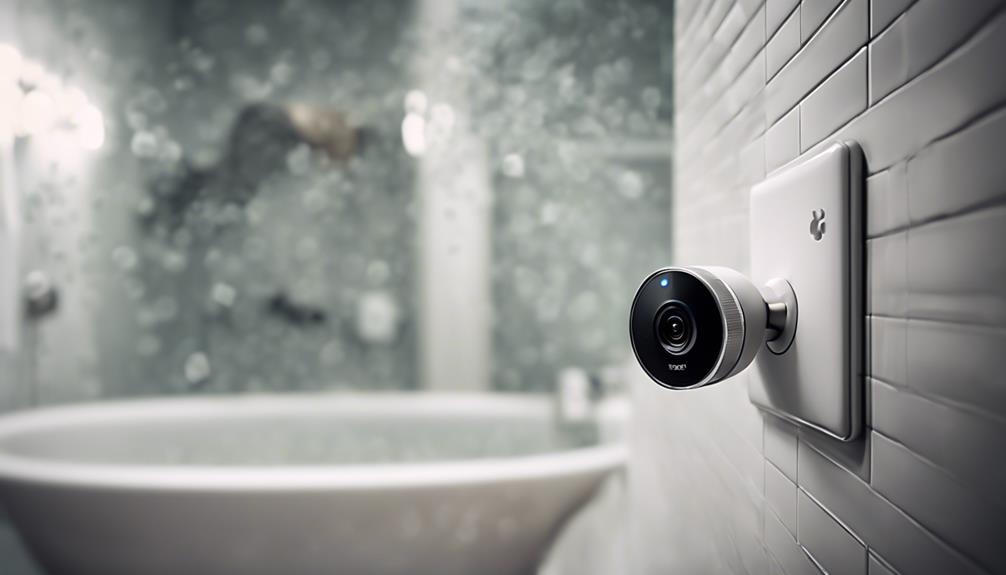

Wireless bathroom cameras may sound convenient for home monitoring, but a bathroom is one of the most private areas in any property. Hidden or disguised cameras—including devices built into pens, chargers, clocks, or other everyday objects—can violate personal privacy and may create serious legal and ethical problems. Anyone considering surveillance should prioritize consent, transparency, and the narrowest possible field of view.
Why hidden bathroom cameras are a serious privacy concern
People generally expect complete privacy while using a bathroom, changing clothes, or showering. Recording in these circumstances without clear permission can cause significant harm, even when the stated purpose is security. Laws differ by location, and rules may depend on where the camera is placed, what it records, and whether audio is captured.
For that reason, a concealed camera should not be installed in a bathroom or aimed at toilets, showers, changing areas, or mirrors. Do not rely on a device’s small size, wireless connection, motion detection, or disguise as a charger to make such recording acceptable.
Safer ways to monitor bathroom-related risks
If the goal is to protect a home, support an older relative, or detect a maintenance problem, several alternatives can address the same concern without recording private activity.
- Water-leak sensors: Place sensors near toilets, sinks, water heaters, or washing-machine connections to detect leaks early.
- Humidity sensors: These can help identify unusual moisture levels and support ventilation or mold-prevention routines.
- Door and occupancy sensors: A sensor outside the bathroom can indicate whether the door has been opened or whether the room has been occupied, without capturing images.
- Emergency call buttons: A clearly identified button or wearable alert device can provide a direct way to request assistance after a fall or other emergency.
- Motion-activated lighting: Automatic lights can improve visibility during nighttime visits without collecting video.
- Visible cameras outside the room: Where appropriate, a clearly disclosed camera can monitor an entrance or hallway while excluding the bathroom interior.
When a visible camera may be appropriate
A camera can sometimes be useful near a bathroom entrance, in an adjoining hallway, or in a non-private utility area. It should be openly installed, positioned to avoid the bathroom interior, and used only for a defined purpose. Everyone affected should be informed before monitoring begins, and access to recordings should be limited to authorized people.
Features such as wireless access, motion alerts, low-light performance, or remote viewing may be useful in an entrance or hallway. They do not make recording inside a bathroom appropriate. Before installation, check the camera’s viewing angle during both daytime and nighttime conditions and mask or reposition it so private areas cannot appear in the frame.
Questions to ask before choosing a wireless device
- Does the device record video, audio, or both?
- Can recording be disabled while someone is using a private area?
- Where are recordings stored, and who can access them?
- Are passwords, account protections, and software updates available?
- Can the device be placed entirely outside the bathroom?
- Will visitors, household members, caregivers, or contractors be clearly notified?
Privacy-first installation checklist
- Define the specific safety or maintenance problem you are trying to solve.
- Choose a non-camera sensor whenever it can provide the needed information.
- If video is necessary, install it in a shared area outside the bathroom and make it visible.
- Disable audio unless it is clearly justified and permitted.
- Use the shortest practical retention period and delete unnecessary recordings.
- Review the setup regularly to ensure the camera has not shifted toward a private area.
Final guidance
The most responsible approach to bathroom security is not a hidden wireless spy camera. Leak detectors, emergency alerts, lighting controls, and transparent monitoring outside the room can address many household safety concerns without compromising dignity. If video surveillance is being considered, obtain informed consent, follow applicable rules, and keep every private area out of the camera’s view.