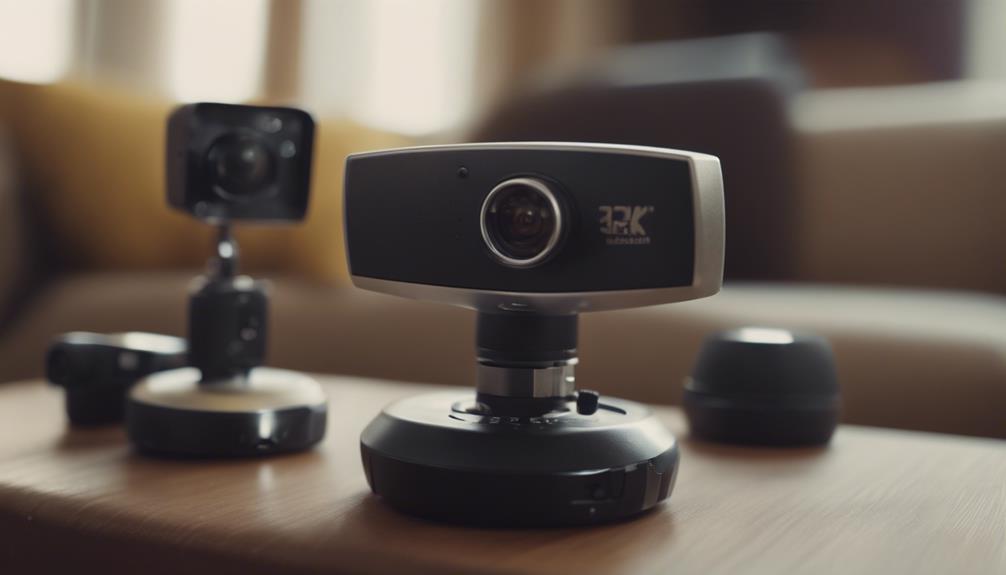

Listening devices can support legitimate security, caregiving, investigative, and asset-protection needs when they are selected carefully and used within the law. Available products range from compact digital audio recorders to systems that transmit sound for authorized remote monitoring. The right choice depends on the purpose, recording environment, battery requirements, data-security needs, and applicable privacy rules.
What are listening devices?
A listening device is equipment designed to capture, store, or transmit audio. Some devices record sound to internal memory for later review, while others provide live audio through a wired or wireless connection. Products may be marketed as audio recorders, voice-activated recorders, listening bugs, or covert audio systems, but their capabilities vary considerably.
In practical terms, listening devices generally fall into two broad categories:
- Local-recording devices: Capture audio to internal storage or a removable memory card. They can be suitable for authorized unattended recording where immediate access is not required.
- Live-monitoring systems: Send audio to an approved receiver or application for real-time awareness. These systems require particular attention to network security, access controls, and legal authorization.
Features to compare
Specifications should be assessed against the environment in which the device will be used rather than judged by size or concealment alone. Important considerations include:
- Audio quality: Microphone sensitivity, noise handling, and digital signal processing affect how intelligible recordings will be.
- Recording activation: Voice-activated recording can reduce unused files and extend battery life, although it may miss very quiet sounds or the beginning of a conversation.
- Battery performance: Check expected operating time under realistic conditions, especially when wireless transmission or remote access is enabled.
- Storage: Consider capacity, file formats, recording limits, and how easily files can be transferred for authorized review.
- Connectivity: Live systems may use a local connection or another network service. Secure passwords, encryption, and access management are essential.
- Reliability: Build quality, temperature tolerance, charging arrangements, and manufacturer support can matter more than a low purchase price.
Legitimate applications
Audio monitoring may form part of a broader, lawful safety or security plan. For example, an organization might use an authorized recorder to document an incident, while a caregiver may use an approved monitoring system to support the safety of a vulnerable person. Property managers and business owners may also use audio equipment where permitted and where appropriate notice or consent has been provided.
Professional investigators and journalists may encounter situations in which recording is considered, but legal restrictions and professional standards should guide every decision. Recording audio is not automatically lawful merely because the equipment is installed in a building or owned by the person making the recording. A clear, documented purpose and a defined retention policy help reduce unnecessary collection of personal information.
Privacy, consent, and legal responsibilities
Audio recording laws differ between jurisdictions. Some places permit recording when one participant consents, while others require consent from everyone involved. Additional restrictions may apply in workplaces, homes, vehicles, healthcare settings, and other areas where people reasonably expect privacy.
Before using a listening device:
- Confirm the rules that apply in the relevant country, state, or region.
- Determine whether notice or consent is required.
- Limit recording to a specific, legitimate purpose.
- Restrict access to recordings and protect them from unauthorized disclosure.
- Set a retention period and securely delete files that are no longer needed.
Unauthorized interception, secretly recording private conversations, or using audio equipment to harass or monitor someone can lead to civil or criminal consequences. When the legal position is uncertain, obtain advice from a qualified local lawyer before purchasing or deploying equipment.
How to select a suitable device
Start by defining whether the need is for documented recording, immediate notification, or general situational awareness. A local recorder may be simpler and less exposed to network risks, while live monitoring may be appropriate only when there is a genuine need for immediate information and the transmission system can be secured.
Consider the physical setting, expected duration, background noise, access to power, and how recordings will be reviewed. Devices that offer timestamps and controlled file access may be preferable when records need to be handled consistently. Avoid choosing solely on the basis of extreme miniaturization or exaggerated sensitivity; products should be reliable, secure, and suitable for the stated purpose.
Use listening technology responsibly
Listening devices can be useful tools for lawful protection, documentation, and care, but concealment does not remove privacy obligations. A responsible approach combines an appropriate device with clear authorization, secure handling of recordings, limited data collection, and regular review of whether monitoring is still necessary.