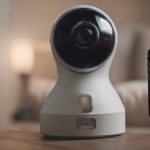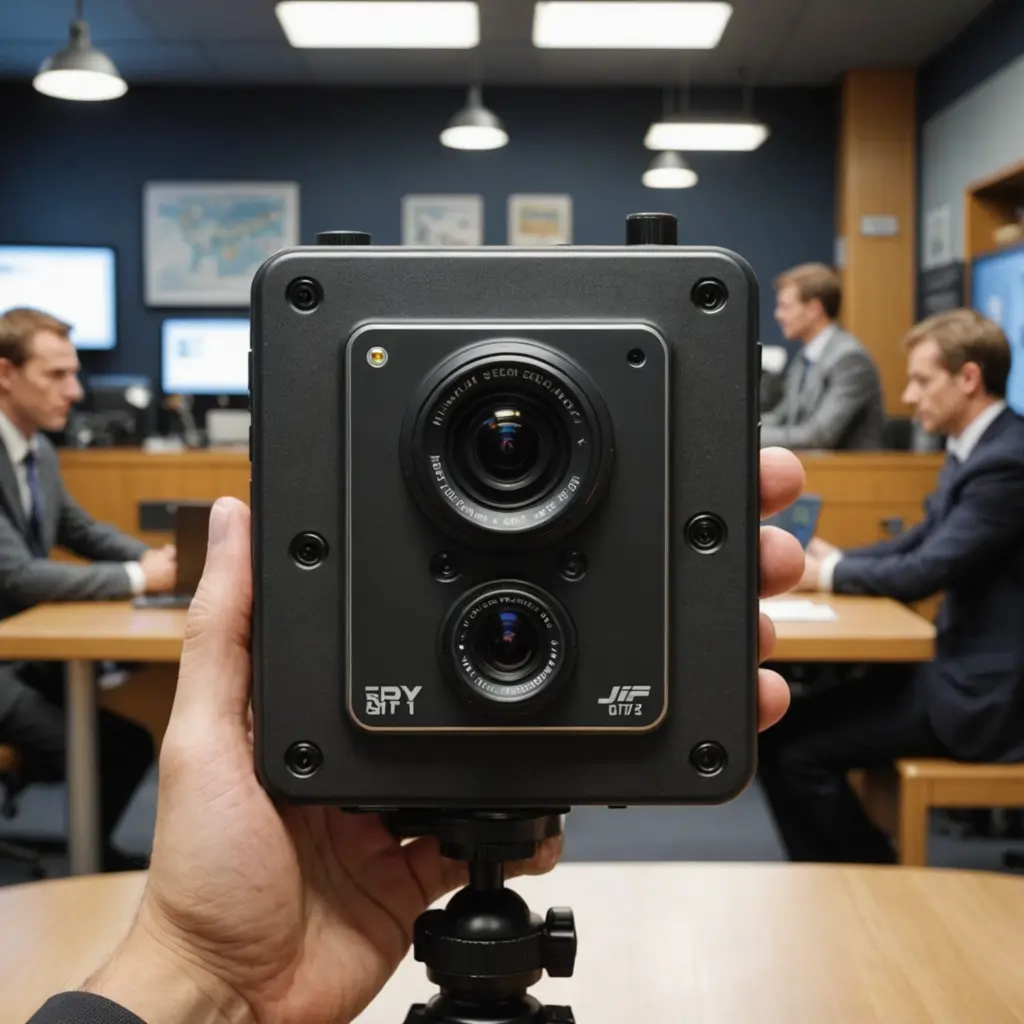

An IP camera can be useful in a bedroom when it supports a clear, agreed purpose such as checking on a sleeping baby, assisting an older relative, or monitoring a pet. However, bedrooms are highly private spaces. A responsible setup should therefore combine practical monitoring with informed consent, careful camera placement, and strong security controls.
When a bedroom IP camera may be appropriate
Bedroom monitoring is most defensible when the people affected understand that a camera is present and know how it will be used. Common purposes include:
- Infant care: Parents may use a camera to check on a sleeping child without repeatedly entering the room.
- Support for older adults: A camera may help a caregiver check whether someone is safe during the night, provided the person’s wishes and ability to consent are respected.
- Pet monitoring: A visible camera can help owners observe nighttime anxiety, unusual activity, or accidents.
- Agreed household supervision: In situations involving a sitter or caregiver, monitoring should be discussed in advance and limited to the agreed purpose.
A camera should not be used to secretly observe a partner, roommate, guest, employee, or caregiver. Recording in an intimate space without knowledge or permission may violate privacy expectations and local law.
Features to consider before buying
Choose a device based on the room, the people being monitored, and how much access is genuinely necessary. Useful features can include:
- Clear low-light or night vision: This helps you see the room without leaving bright lights on.
- Motion detection with activity zones: Adjustable detection can reduce alerts caused by minor movements, curtains, or changing light.
- Local or secure cloud storage: Review where recordings are stored, how long they are retained, and who can access them.
- Two-way audio: This may be useful for communicating with a caregiver or reassuring a child, but it should be used thoughtfully.
- Privacy controls: Look for features such as a physical lens cover, scheduled recording, remote-access controls, and the ability to disable audio.
Avoid relying on default passwords or buying a camera without understanding its account, storage, and software-update practices. A lower-cost device may create greater privacy and security risks if its controls are limited.
Place the camera to minimise intrusion
Install the camera where it provides the necessary view without unnecessarily recording private areas. For example, point it toward the bed or a doorway rather than changing areas, wardrobes, or parts of the room where intimate activities may take place. Use a fixed angle when possible instead of continuous pan-and-tilt movement.
A visible camera is generally preferable to a concealed one. Its presence reminds everyone that monitoring is taking place and makes it easier to maintain informed consent. Mount the device securely, keep cables out of reach of children, and avoid positioning it where a bright status light or infrared illumination could disturb sleep.
If motion alerts are enabled, limit the detection area to the bed or a normal access route. Test the settings at different times of day so the camera does not generate unnecessary notifications or record more of the room than required.
Protect the camera and its recordings
An unsecured bedroom camera can expose highly sensitive images or audio. Take basic precautions before connecting it to the internet:
- Replace the default administrator password with a long, unique password.
- Enable two-factor authentication if the camera service provides it.
- Install firmware and app updates from the manufacturer.
- Disable remote viewing when it is not needed.
- Review account permissions and remove users who no longer need access.
- Use an encrypted local storage device or a cloud provider with clearly explained security and retention practices.
- Consider placing the camera on a separate guest or IoT network rather than the network used by personal computers and phones.
Also decide how long recordings should be kept. Automatic deletion can reduce the consequences of an account compromise and prevent unnecessary archives of private activity.
Consent and household rules
Tell household members, guests, sitters, and caregivers that the camera is present. Explain whether it records video, audio, or both; when it operates; who can view footage; and how recordings are stored or deleted. Shared homes, rental properties, and care arrangements may involve additional rules or agreements, so check the relevant lease, contract, or local requirements before installing a device.
Children’s monitoring also deserves careful discussion with the adults responsible for their care. The purpose should be safety and support, not unrestricted surveillance. As circumstances change, review whether the camera is still necessary and whether its location or schedule should be adjusted.
What to do if you find an undisclosed camera
If you suspect that a bedroom contains a hidden camera, inspect unfamiliar electronics, smoke-detector-like devices, chargers, and objects with an unobstructed view of the room. Network-scanning tools and specialist detectors may provide additional clues, but they are not guaranteed to find every device.
If you discover an unknown camera, record its location and appearance without tampering with it more than necessary. Preserve relevant messages or access information and seek advice from local law enforcement or an appropriate privacy authority. Avoid confronting someone if doing so could put you at risk.
A responsible bedroom camera setup
An IP camera can provide reassurance when its purpose is limited, its presence is disclosed, and its access is properly secured. Use the narrowest view and shortest recording period that meet the need, protect the account as carefully as any other private system, and revisit the arrangement whenever the people or circumstances in the home change.