
Discreet cameras can support home security, pet care, package monitoring, or property protection, but concealment should never override privacy. A responsible setup begins with a clear purpose, uses the least intrusive placement possible, and follows the laws that apply where the camera is installed.
Start with the purpose
Before choosing equipment or deciding where to place it, define what you need to observe. A camera aimed at an entryway may help document deliveries or unwanted access, while a camera in a shared living area may help you check on pets when you are away. Outdoor cameras can also be useful for monitoring a driveway, garden, or wildlife.
In many situations, a visible camera is the better choice. It can deter unwanted activity and makes recording more transparent to household members, guests, workers, and caregivers. If monitoring another person is involved, explain the purpose and obtain consent whenever required.
Indoor placement ideas
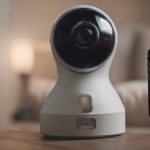
For indoor monitoring, choose a shared area and aim the lens only at the space that needs coverage. Common options include a living room, hallway, home office, or entryway. A compact camera may sit among ordinary décor, on a shelf, or near a doorway without requiring elaborate modifications. The goal should be a tidy installation rather than a device that is impossible for others to notice.
- Cover entrances and important access routes instead of recording an entire room.
- Place the camera high enough to provide a useful view, but keep it accessible for maintenance.
- Check that furniture, plants, glass, and decorations do not block the lens.
- Keep cameras away from bathrooms, changing areas, and other private spaces.
- Avoid recording bedrooms unless everyone affected has given clear permission and the arrangement is lawful.
Test the camera during both daytime and nighttime conditions. A position that looks effective in daylight may produce glare, shadows, or an obstructed view after dark.
Outdoor camera concealment and installation
Outdoor equipment must be designed for the conditions it will face. Weather-resistant cameras can be mounted beneath an eave or placed near an existing structure, provided the lens has a clear view and the device is protected from tampering. Garden features, exterior trim, or other surroundings may help a camera blend into the property without making it difficult to service.
Consider power and connectivity before finalising the location. Battery-powered or solar-assisted models can reduce wiring, while wired cameras may be more suitable for continuous operation. Cables should be secured and routed neatly through existing channels where possible. Do not place equipment where it could create a trip hazard, damage someone else’s property, or record neighbouring homes and public areas unnecessarily.
Choosing suitable hardware
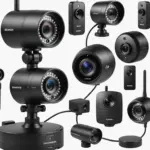
A small camera is not automatically a useful camera. Match the equipment to the monitoring task and the environment. Important features may include:
- Image quality: Choose enough detail to identify activity at the intended distance.
- Low-light performance: Night vision can help in dark areas, but test for glare and reflections.
- Motion detection: Alerts and recording can be limited to relevant activity rather than constant footage.
- Power: Battery models are flexible, while wired models reduce the need for frequent charging.
- Connectivity: Confirm that Wi-Fi reaches the planned location or consider a wired connection.
- Storage: Understand whether recordings are stored locally, remotely, or both, and protect access with a strong password.
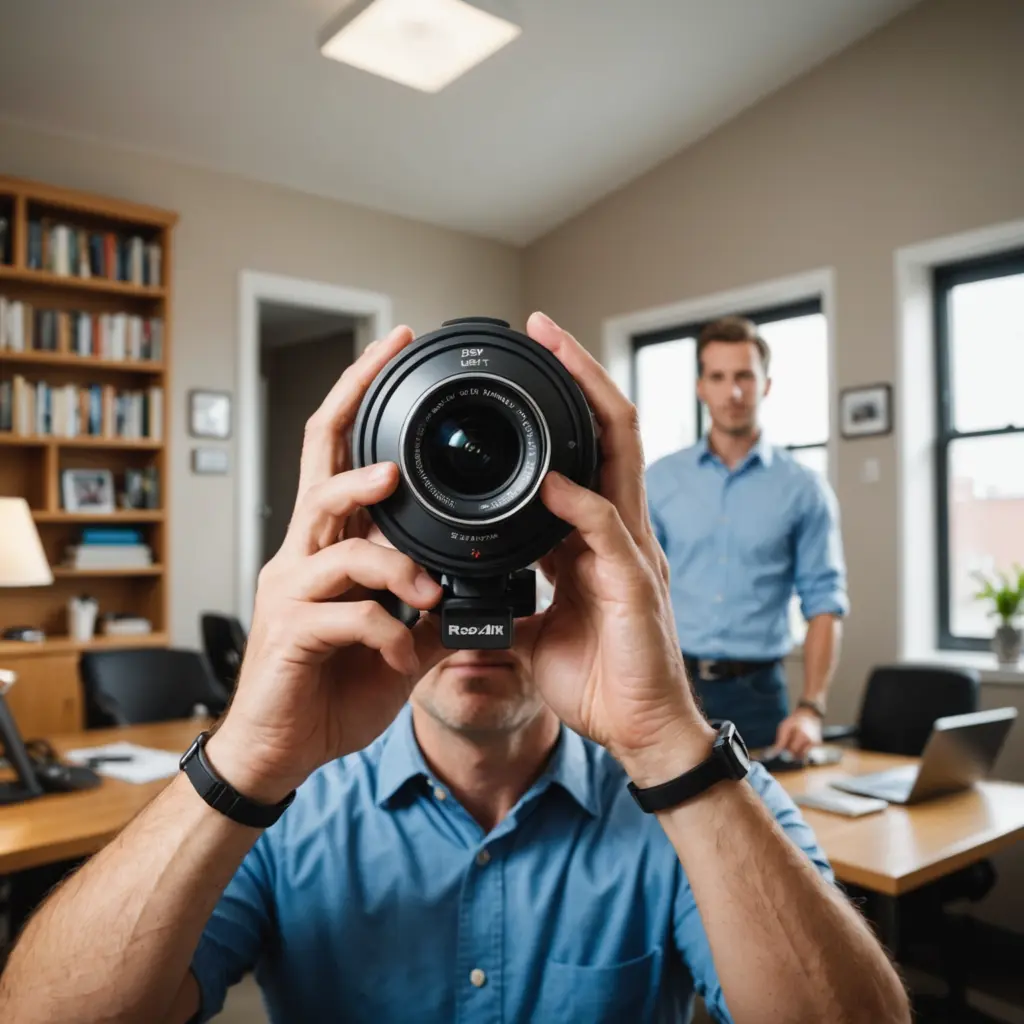
Before disguising or mounting the device, confirm its field of view, motion alerts, audio settings, and connection reliability. Disable audio recording if it is unnecessary, since audio may be subject to additional legal restrictions.
Privacy, consent, and legal considerations
Camera laws vary by location, and rules may differ for video, audio, employees, tenants, children, caregivers, and visitors. People generally have a stronger expectation of privacy in bathrooms, changing areas, and private bedrooms. Covert recording in those spaces can cause serious harm and may be unlawful.
For homes with employees, cleaners, carers, or regular visitors, provide clear notice where required and limit recording to a legitimate purpose. Do not share footage casually, keep recordings only as long as necessary, and secure accounts and storage against unauthorised access. Renters should also review lease terms before installing equipment, especially when modifying walls, doors, or exterior areas.
A responsible DIY checklist
- Define the purpose and choose the least intrusive camera position.
- Use visible equipment when it can provide the same protection.
- Exclude private areas and neighbouring property from the frame.
- Test coverage, lighting, power, alerts, and connectivity before installation.
- Tell affected people about monitoring and obtain consent when appropriate.
- Secure the device, account, network, and stored footage.
- Check local privacy, recording, tenancy, and workplace requirements.
Used carefully, a discreet camera can complement locks, lighting, alarms, and other ordinary security measures. The best setup is not the most hidden one; it is the one that solves a specific problem while respecting the rights and expectations of everyone who may be recorded.