
Hidden cameras can provide discreet video coverage in situations where a conventional, clearly visible security camera is impractical. They may support home security, property protection, caregiving oversight, or documentation of specific incidents. However, discreet surveillance also creates significant privacy and security responsibilities. The right approach is to define a legitimate purpose, understand the applicable rules, and collect no more footage than necessary.
Common household applications
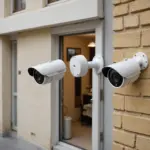
Homeowners may consider discreet cameras for monitoring entry points, detecting vandalism, or documenting suspicious activity around a property. A concealed device can be less visually intrusive than a standard camera and may be useful where a visible unit would be easy to avoid or tamper with.
Some families also use cameras to check on elderly relatives, children, or the conduct of in-home caregivers. These situations require particular care. People living or working in the home may have a reasonable expectation of privacy, and a camera should never be placed in bedrooms, bathrooms, changing areas, or other intimate spaces. Whenever possible, explain the monitoring arrangement and obtain informed consent from affected adults.
Business and property-management uses
Businesses may use discreet video systems to investigate theft, unauthorized access, damage, or violations of established safety procedures. Retail spaces, offices, warehouses, and restricted areas can sometimes benefit from coverage that does not disrupt normal operations. In property management, video may help document the condition of a building or investigate a reported maintenance or damage issue.
These uses should be supported by a written surveillance policy that explains the purpose of monitoring, where cameras are located, who can view recordings, and how long footage is retained. Secretly recording employees, tenants, customers, or visitors can undermine trust and may violate employment, privacy, or surveillance requirements. Visible cameras and clear notices may be more appropriate when discreet placement is not essential.
Investigative and documentation purposes
Discreet cameras can be useful when documenting a specific, credible concern that cannot reasonably be recorded with a visible device. Examples may include verifying repeated property damage or capturing activity at a controlled access point. The goal should be focused evidence gathering rather than continuous observation of people’s private lives.
Before recording, consider whether a less intrusive option would work, such as improved lighting, access controls, a visible camera, an alarm, or an in-person inspection. Keep a record of the purpose and scope of the deployment, and preserve footage carefully if it may be needed for a formal complaint or investigation.
Choosing a suitable device
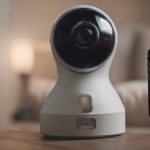
Hidden and discreet cameras vary in design and capability. Some are compact standalone units, while others are integrated into objects such as clocks or chargers. Select equipment based on the environment and the legitimate task rather than appearance alone.
- Power: Battery-powered cameras are flexible but require charging and may stop recording unexpectedly. Wired units are better suited to longer-term operation.
- Storage: Local storage can reduce reliance on external services, while cloud storage may make remote access easier. Each option has privacy and security trade-offs.
- Connectivity: Wi-Fi models can support remote viewing but must be secured carefully. A device that does not need internet access should not be connected unnecessarily.
- Image quality and lighting: Choose resolution and low-light performance appropriate to the area. Higher specifications do not compensate for a blocked lens or poor placement.
- Reliability: Check operating time, installation requirements, firmware support, and the manufacturer’s security controls before deployment.
Legal and ethical boundaries
Surveillance rules differ by location and by the relationship between the person recording and the people being recorded. Video restrictions may apply in places where privacy is expected, and audio recording can be governed by separate or stricter requirements. Recording a conversation without the required consent may create legal problems even when video monitoring is permitted.
Never use a hidden camera to monitor intimate spaces or to spy on a partner, guest, employee, tenant, or caregiver for personal reasons. When monitoring is justified, limit it to the necessary area and time period. Consult applicable local law or qualified legal advice before installing a device, particularly in a workplace, rental property, shared home, or caregiving arrangement.
Installation and data-protection practices
Place the camera so it covers only the intended area and does not capture private spaces unnecessarily. Secure the equipment against tampering, test the view in both bright and low-light conditions, and check that cables, mounts, and power supplies do not create hazards. Follow any notice or labeling requirements that apply to the location.
Protect recordings as carefully as the camera itself. Use a unique, strong password, enable two-factor authentication when available, install firmware updates, and disable unused remote-access features. Restrict viewing permissions to people who need them, encrypt stored footage where possible, and avoid sending recordings through unsecured channels.
Finally, create a retention schedule before recording begins. Delete footage that is no longer needed, document who accessed important recordings, and secure or destroy storage devices when they are retired. Used with a clear purpose and appropriate safeguards, discreet cameras can support security and documentation without unnecessarily compromising privacy.