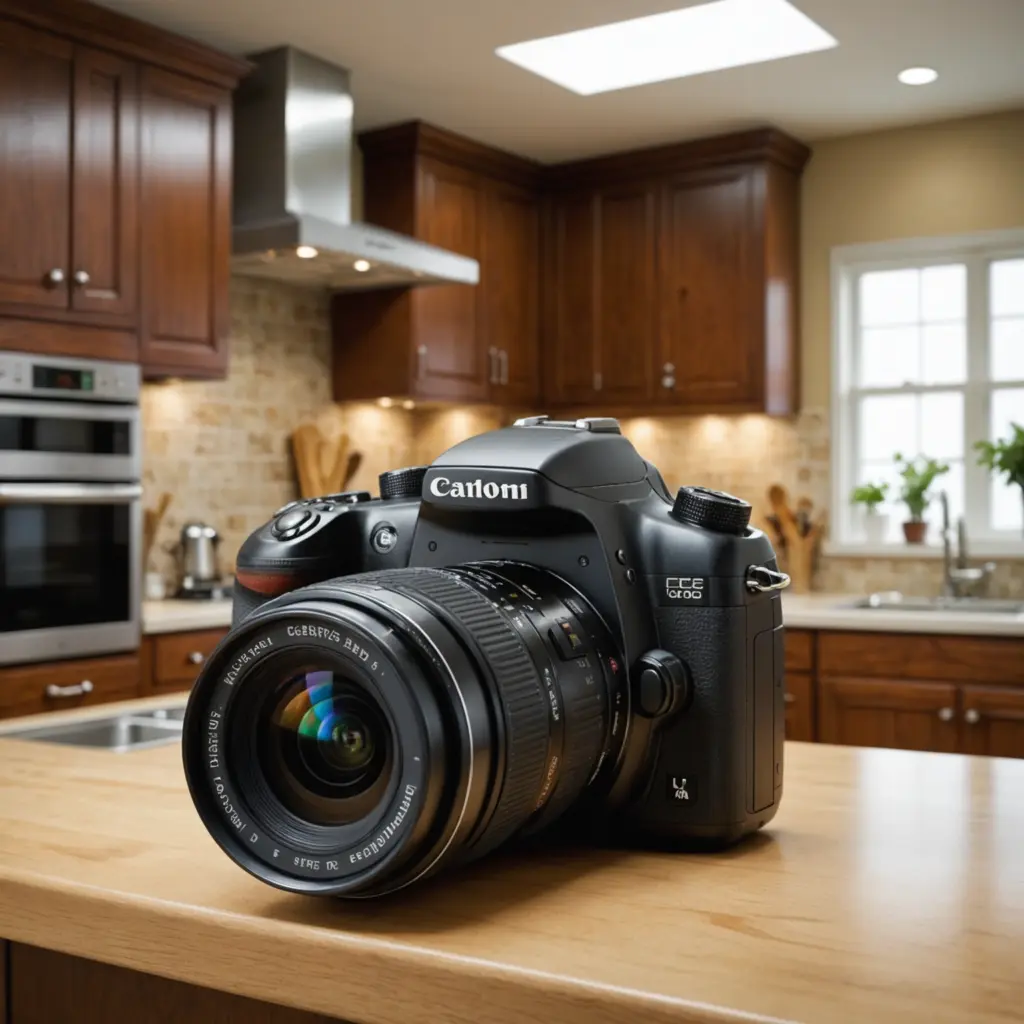

A kitchen camera can help you keep an eye on one of the busiest areas in a home. Children, pets, caregivers, deliveries, and guests may all pass through the space, while cooking equipment, sharp utensils, and water create additional safety concerns. With careful placement and responsible use, a camera can support household safety and provide a record of important events without becoming unnecessarily intrusive. Explore discreet kitchen monitoring ideas to understand practical applications for concealed cameras around your home.
What can a kitchen camera be used for?
The best setup depends on what you need to observe. Common uses include:
- Child safety: Check activity around meal preparation areas and confirm that dangerous objects remain out of reach.
- Pet monitoring: See whether pets are getting onto counters, opening cupboards, or accessing rubbish.
- Entry monitoring: Watch a side door, service entrance, or nearby access point connected to the kitchen.
- Care oversight: Families may use footage to review meal preparation or confirm that agreed dietary instructions are being followed.
- Property documentation: Record damage, unusual activity, or other incidents when a camera is used in an appropriate common area.
A camera should have a clearly defined purpose. Using it only for the areas and times that require monitoring can reduce privacy concerns and limit the amount of footage you need to manage.
Where should a kitchen camera be placed?
Position the camera where it can cover the intended area without pointing into private spaces. A higher mounting point often provides a wider view of counters, entrances, and walkways. Before fixing the device permanently, test the image during daytime, at night, and with the kitchen lights on and off. This helps reveal glare, shadows, and blind spots.
Keep the camera away from direct heat, steam, splashing water, and areas where grease may build up. Do not block ventilation openings or place the device where it could fall onto a work surface. A stable mount and dependable power source are important for continuous monitoring. If the camera uses Wi-Fi, check that the connection remains reliable from its final position.
Although some people consider disguising a camera inside an everyday object, concealed recording can create serious consent and privacy issues. A visible camera, accompanied by clear notice, is generally the more responsible choice for homes, workplaces, and shared accommodation.
Features worth considering
Choose features according to the camera’s purpose rather than selecting the most complex device available. Important considerations include: Si buscas ampliar la protección más allá de la cocina, considera la vigilancia exterior para tu hogar.
- Video quality: A clear image is more useful for identifying people and reviewing small details. Full HD, or 1080p, is a practical baseline mentioned in the original guidance.
- Low-light performance: Night vision or another low-light mode can help when the kitchen is used after dark.
- Motion detection: Event-based recording can reduce unnecessary footage and make important clips easier to find.
- Viewing angle: A wide-angle or 180-degree camera may cover more of an open kitchen, though wide views can distort the edges of the image.
- Storage: Cloud storage supports remote access, while a microSD card can provide local recording without a recurring storage fee. Review the security and retention settings for either option.
- Power: Wired models are suited to fixed, continuous monitoring. Battery-powered cameras offer more flexible placement but need regular charging.
- Audio controls: If the device includes a microphone, check whether audio can be disabled when it is not necessary.
Privacy and legal responsibilities
Camera rules vary by location, and audio recording may be subject to different requirements from video recording. Before installing a camera, check the laws that apply where you live, especially if the device records sound or captures people outside your household.
People may have a stronger expectation of privacy in areas used for changing clothes, personal care, or other private activities. Do not aim a kitchen camera toward such spaces. If you monitor employees, caregivers, tenants, guests, or a short-term rental, provide appropriate notice and obtain consent where required. A written policy can explain the camera’s purpose, who can view recordings, and how long footage will be retained.
Protecting recorded footage
Video from a kitchen camera can reveal household routines, visitors, and personal information, so secure it carefully. Use a strong, unique account password and enable two-factor authentication if the camera service supports it. Keep the device and its app updated, restrict access to trusted users, and avoid sharing live feeds or clips unnecessarily.
Set recordings to delete automatically after they are no longer needed. If a clip must be shared for an insurance or legal matter, provide only the relevant section and remove identifying details where practical. These measures help balance useful monitoring with the privacy of everyone who enters the kitchen.
Make the setup proportionate
A kitchen camera is most effective when its position, recording settings, and access rules match a specific safety or security need. Test the view carefully, avoid private areas, and communicate openly with the people being recorded. A thoughtful setup can provide useful oversight while preserving trust in the home or workplace.