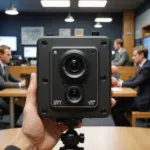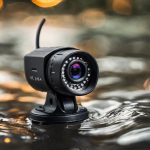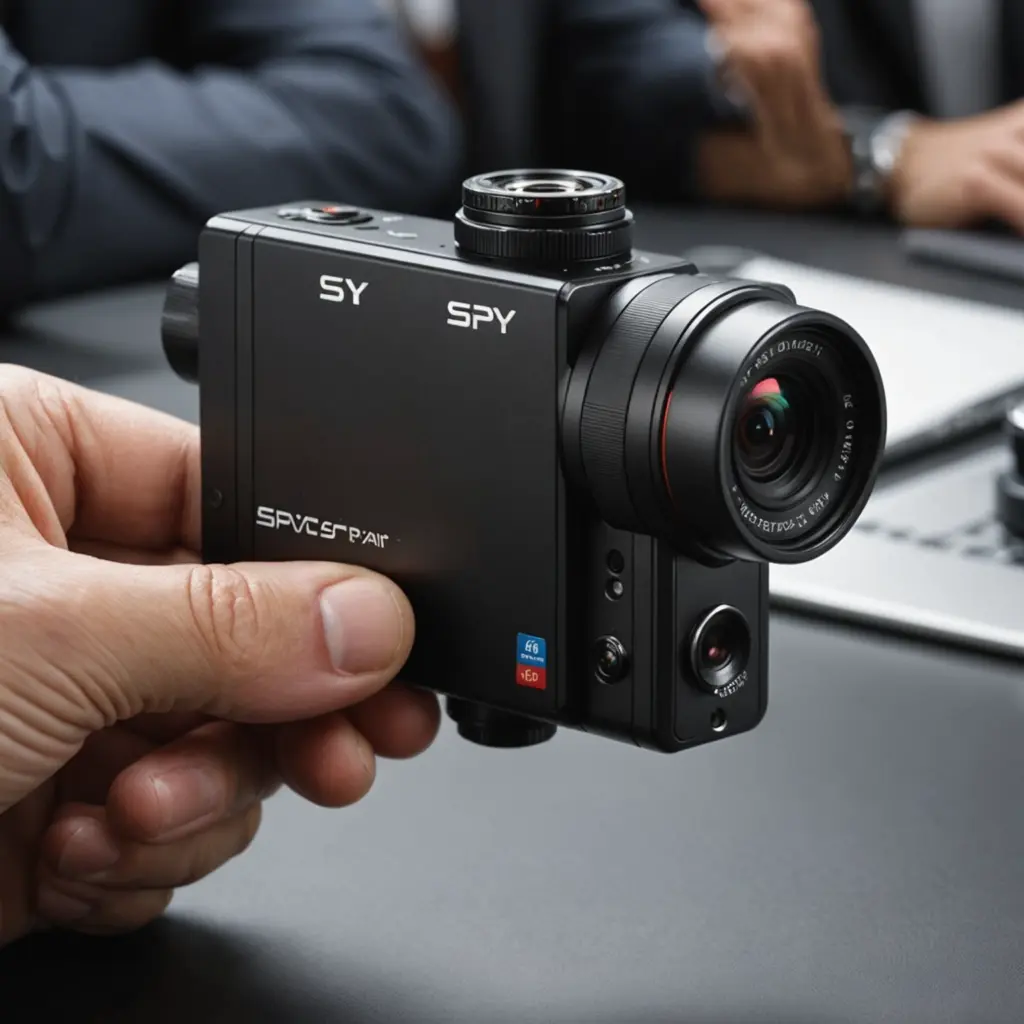

Hidden cameras are not limited to a single shape or design. Some are purpose-built miniature devices, while others are built into ordinary objects so they blend into a room. Learning what to look for can help you recognise a suspicious device without assuming that every small lens or electronic gadget is a camera.
What a hidden camera usually looks like
A concealed camera generally has three visible characteristics: a small lens, a housing that matches its surroundings, and a position that provides a useful view. The lens may appear as a dark dot, a small glass circle, or a reflective pinpoint behind an opening. In some devices, the camera is visible but easy to overlook because it is placed among buttons, indicators, vents, or other details.
The camera itself may be wired to another device, powered by a battery, or built into an item that normally connects to a wall outlet or USB port. A concealed camera can therefore look like ordinary household technology rather than a standalone camera.
Common objects used as camera disguises
Manufacturers and sellers have offered cameras hidden in many familiar objects. The disguise is usually chosen because the object already belongs in a particular setting or can be placed where it has a clear view.
- Clocks: A small lens may be positioned in the clock face or near the display.
- Smoke-detector-style housings: These can be mounted high on a wall or ceiling, although a genuine smoke detector should not be disturbed unnecessarily.
- USB chargers and power adapters: A lens may be placed in the front or side of an otherwise ordinary-looking plug-in device.
- Power strips and sockets: Unusual openings, unexplained modifications, or devices that do not match the rest of the room deserve closer attention.
- Picture frames and ornaments: Decorative items can provide a natural place for a tiny lens.
- Light bulbs and other fixtures: Some products combine lighting or other functions with a camera.
- Pens, glasses, and small personal items: These may contain a miniature lens positioned where it can face a person or room.
The presence of one of these objects does not prove that it contains a camera. The important question is whether its design, placement, and features make sense for the setting.
Small pinhole and button cameras
Some of the smallest concealed cameras are described as pinhole cameras. Their lens is placed behind a very small opening in plastic, metal, or another surface. From a distance, the opening can resemble a screw hole, sensor, indicator, or decorative detail.
Button-style cameras use a lens that resembles the centre of a button or switch. Other miniature models may be installed inside a pen, plant decoration, appliance, or piece of furniture. A tiny camera may be connected by a cable to a separate recorder, or it may communicate wirelessly, depending on its design. Size alone is not a reliable way to judge whether an object is capable of recording video.
How to inspect a room for a concealed camera
Begin with a calm visual inspection. Pay particular attention to objects that have a direct view of beds, changing areas, desks, seating, or other private spaces. Look for:
- Small holes or dark glass points that have no obvious purpose
- Objects positioned unusually close to a wall, ceiling, or power source
- New, mismatched, or modified electronics
- Loose wires, unexplained cables, extra memory-card slots, or unusual seams
- Decorations or devices aimed toward an area where people would expect privacy
A flashlight can sometimes reveal a lens as a small reflection when the beam is directed across a suspected surface. This is only a basic check: reflections can come from many non-camera objects, and a camera may not reflect light clearly.
Network or radio-frequency checks may identify some transmitting devices, but they are not conclusive. A camera that is switched off, recording locally, disconnected, or outside the range of the equipment may not appear in a scan. Smartphone applications and Wi-Fi lists can also produce false alarms or miss devices, so they should not be treated as definitive proof.
What to do if you find a suspicious device
If you discover an object that appears to contain a camera in a private or unauthorised location, avoid damaging it. Photograph the device in place if it is safe to do so, note where and when you found it, and preserve relevant messages, booking information, or other records. If you are in rented accommodation or a workplace, report the issue through the appropriate management or security channel. You may also wish to contact local law enforcement or seek legal advice, particularly if the device appears to record a bedroom, bathroom, changing area, or other private space.
Privacy and responsible use
Concealed monitoring can have legitimate security purposes, but the rules depend on the location, the people being recorded, and local law. Recording someone without proper notice or consent may be unlawful, especially in a place where privacy is expected. Before installing any camera, check the applicable requirements and consider whether a visible camera, clear notice, or another security measure would achieve the same purpose with less intrusion.
In short, hidden cameras often look like ordinary objects with one unusual feature: a tiny lens or opening placed where it can view the room. Careful observation, sensible documentation, and professional or legal help when necessary are safer than relying on appearance alone.