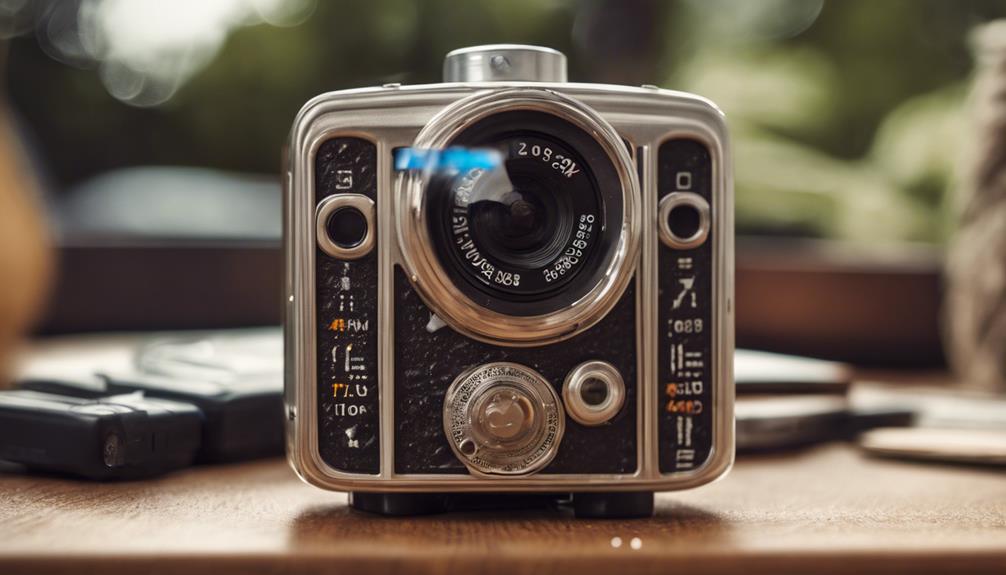

Disposable film cameras are simple, self-contained point-and-shoot cameras designed for casual photography. Although digital cameras and smartphones have replaced them for most everyday use, they remain popular with hobbyists, event photographers, educators, and people who enjoy the distinctive look and slower process of film. Disposable film cameras can inspire covert film models that mimic analog aesthetic for discreet surveillance applications.
Their appeal is straightforward: they are inexpensive, require little setup, and produce physical negatives that can be developed later. However, they also have important limitations. They are not suitable for every photographic situation, and using any camera to document people or places requires respect for privacy, consent, and local law.
How disposable film cameras work
A disposable camera contains a preloaded roll of photographic film inside a lightweight plastic body. Most models use a fixed-focus lens, a basic shutter mechanism, and a limited number of exposures. Some include a built-in flash for indoor or low-light situations.
Using one is generally a matter of advancing the film, composing the image through the viewfinder, and pressing the shutter button. Unlike a digital camera, it does not provide an instant preview. After the final exposure, the entire camera is taken to a photo lab, where the film is removed, processed, and printed or scanned. Depending on the service, the camera body may be recycled or discarded after processing.
Why people still choose them
- Simple operation: There are few settings to adjust, making the format approachable for beginners and convenient at informal events.
- No charging during use: The camera does not depend on a rechargeable battery or an internet connection, although a flash-equipped model may contain a small battery.
- Physical negatives: Film creates an original photographic record that can be printed or scanned after development.
- Distinctive appearance: Film images may have a different color, contrast, and grain character from typical phone photographs.
- Low replacement cost: A disposable camera can be useful for parties, trips, classroom activities, or other occasions where a complicated camera would be unnecessary.
Some people also enjoy the delayed results. Because the images cannot be reviewed immediately, each exposure encourages more deliberate composition and makes the developed photographs feel more like an event.
Practical limitations
Disposable film cameras are intentionally basic. The fixed lens and limited controls provide little flexibility for challenging subjects. Close-up photographs may be out of focus, distant subjects can appear small, and fast-moving scenes may be difficult to capture successfully. The number of exposures is finite, so careless testing can use up valuable frames.
Lighting is another major consideration. Outdoor daylight usually produces the most predictable results. Indoors, photographs may be dark or blurred unless the camera has a flash and the subject is within its effective range. A flash can also create harsh shadows and reflections, particularly when photographing through glass or near reflective surfaces. Disposable film cameras differ from motion-responsive cameras, which adjust capture behavior when movement enters the frame.
There is also a delay between taking the picture and seeing the result. Before an important occasion, it is sensible to use a test camera in similar conditions rather than assuming that every image will be usable.
Film cameras and disposable digital cameras
Disposable digital cameras, where available, offer a different compromise. They can provide more images, allow easier transfer, and may make it possible to review photographs sooner. Film cameras, by contrast, use no memory card and create a physical negative that must be developed before it can be assessed.
The better choice depends on the purpose. Digital equipment is generally more convenient when immediate feedback matters, while film may be preferred for its visual character, tactile process, or independence from digital storage. Neither format automatically guarantees privacy or security: photographs can be copied, misplaced, or accessed by others in either workflow.
Responsible and lawful use
A small or ordinary-looking camera should not be treated as permission to photograph people secretly. Laws differ by location, but recording individuals in private spaces, documenting intimate situations, or using images to harass or threaten someone can create serious legal and ethical problems. Rules may also apply to photography in workplaces, schools, performances, transport facilities, and privately owned venues.
For responsible use:
- Ask for consent when photographing identifiable people, especially in private or sensitive settings.
- Follow venue rules and any restrictions on photography.
- Do not use a camera to invade someone’s privacy, monitor them without a legitimate reason, or capture intimate activity.
- Store undeveloped film and scanned files securely, particularly when they contain personal information.
- Choose a photo lab with privacy practices you understand if the images are sensitive.
- Seek qualified legal advice before using photography for an investigation, dispute, or security matter.
Choosing and using one effectively
Look for a camera suited to the environment, with a flash if indoor photography is expected. Check the expiry information and packaging, since film can lose quality when stored improperly or kept for too long. Keep the lens clean, advance the film fully between shots, and avoid blocking the flash or viewfinder with your fingers.
Disposable film cameras are best understood as simple creative tools rather than substitutes for modern professional equipment. With realistic expectations, careful handling, and respect for consent and privacy, they can provide an affordable and enjoyable way to make photographs with a character all their own.