
Choosing a surveillance camera begins with understanding the different designs available. A miniature camera may suit a discreet entryway installation, while a networked model may be better for remote alerts and live viewing. Wearable cameras serve a different purpose again, providing portable recording rather than fixed coverage.
The right choice depends on more than camera size. Image quality, lighting, power, recording method, connectivity, and the privacy expectations of the location all affect whether a device is suitable. The following overview explains the main types and the trade-offs to consider before installation.
Miniature and pinhole cameras
Miniature cameras use a small lens and compact body to reduce their visual impact. Pinhole models are designed to capture an image through a very small opening, making them suitable for installations where a conventional camera would be distracting.
These cameras can work well for monitoring an entrance, hallway, office area, or other permitted location where a low-profile appearance is important. Their small size, however, may limit the space available for a large battery, powerful low-light sensor, or advanced microphone. Image quality also depends heavily on lighting and lens placement. A tiny camera is not automatically the best choice if the scene is dark or requires a wide viewing angle.
Disguised cameras built into everyday objects
Some cameras are integrated into objects such as clocks, picture frames, USB chargers, smoke-detector-style housings, or other room accessories. These products are intended to blend with their surroundings rather than appear to be dedicated security equipment.
The main advantage is that the housing may look natural in the intended setting and can provide space for a larger battery or power connection than an extremely small camera. Before choosing one, check whether the object can be positioned legally and whether its lens has a clear, useful view. A camera hidden behind an obstruction or pointed at the wrong height may produce little practical evidence.
Do not place cameras in areas where people reasonably expect privacy, including bathrooms, changing areas, and similar private spaces. Concealment should never be used to bypass consent or enable voyeuristic recording.
Wearable and portable cameras
Wearable cameras include compact body-worn devices, pen-style models, button-mounted units, and small cameras attached to clothing, bags, or equipment. Their purpose is mobility: they record from the operator’s point of view instead of covering one fixed room.
They may be useful for documenting authorized inspections, permitted field work, or personal safety situations. Battery capacity and storage are especially important because portable cameras are often used away from a power source. Movement can also affect image stability and audio clarity, so test the camera during realistic use rather than judging it while it is sitting still.
Wi-Fi, IP, and smart cameras
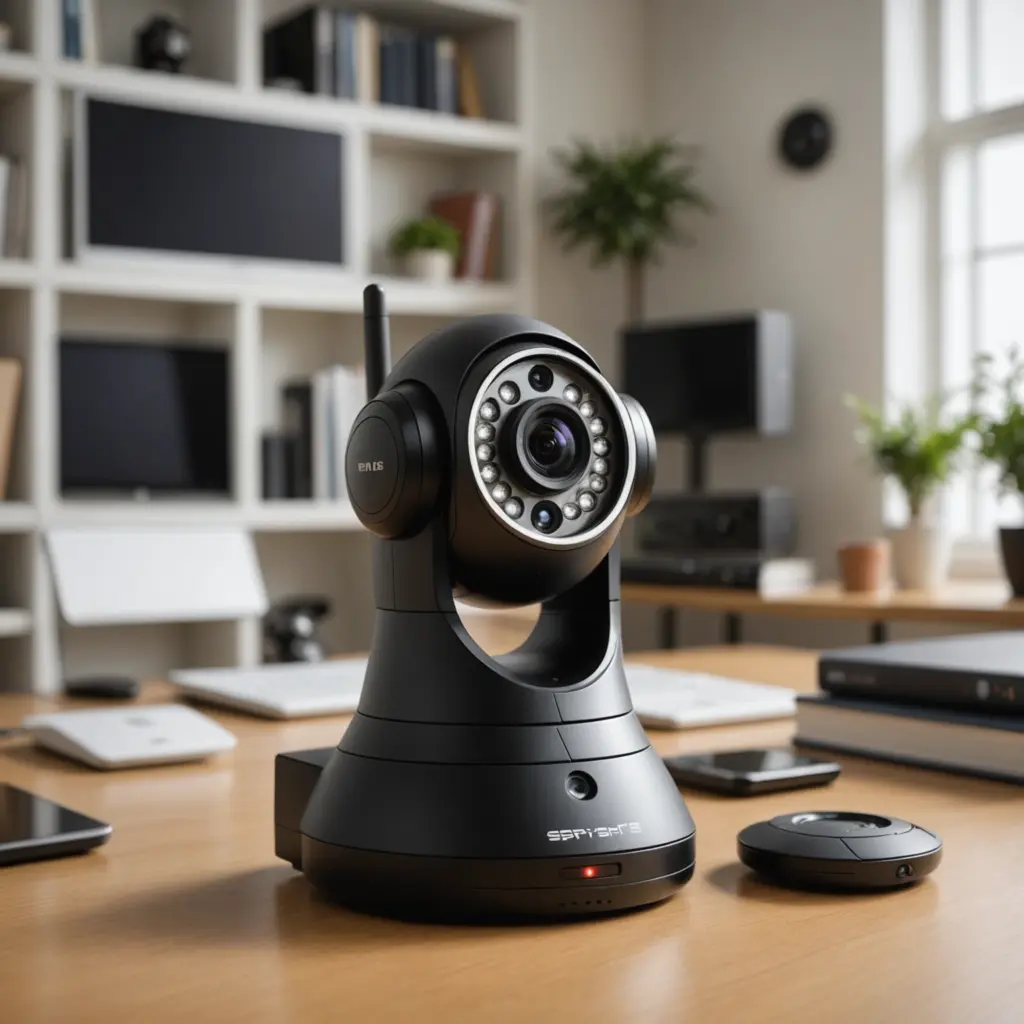
Network-connected cameras can send video to a phone, computer, or monitoring service. Depending on the model, they may support live viewing, motion notifications, remote access, local memory-card recording, or cloud storage.
These features are useful for homes, rental properties, and small businesses that need timely alerts rather than occasional manual checks. They also make it easier to manage multiple cameras from one interface. The trade-off is greater dependence on a network, account security, and sometimes a paid storage service.
Use a strong, unique account password, enable available security features, keep the camera’s software updated, and protect the wireless network. If reliable recording matters, consider whether the camera can save footage locally as well as providing remote access. A local copy can be useful if an internet connection fails.
Wired, battery-powered, and motion-activated models
Power requirements often matter more than the camera’s appearance. Battery-powered units are flexible and convenient for temporary or difficult-to-wire placements, but they need charging or battery replacement. USB-powered and hardwired cameras are more suitable for longer operation, although installation may be less flexible.
Motion activation can reduce unnecessary recording and extend battery life by starting only when movement is detected. It may not be appropriate where continuous coverage is required, and sensitivity settings should be tested to avoid missed events or excessive false alerts.
Recording and storage choices
Common storage options include internal memory, removable microSD cards, network storage, and cloud services. Compare storage capacity, retention time, video quality, and ease of exporting footage. Cloud storage can support remote access, while local storage may offer greater control over privacy and ongoing costs. Whichever method you choose, protect recordings from unauthorized access and establish a sensible deletion schedule.
Legal and ethical responsibilities
Rules for surveillance vary by location and may treat video and audio recording differently. Consent requirements, workplace monitoring rules, landlord or tenant obligations, and restrictions on recording in private areas can all apply. The presence of a camera does not make recording lawful simply because the device is small or inexpensive.
Use cameras only for a legitimate, permitted purpose. Inform employees, guests, tenants, caregivers, or other affected people when required, and document who can access the footage. If the situation involves audio, a workplace, a rental property, or a sensitive personal setting, check local requirements or seek legal advice before installing anything.
How to choose the right type
- For fixed, low-profile coverage: consider a miniature or pinhole model with suitable lighting and a clear field of view.
- For a room where a normal-looking object is appropriate: evaluate a disguised model, while respecting privacy and consent requirements.
- For mobile documentation: choose a wearable camera with dependable battery life, storage, and image stabilization.
- For remote alerts: look for a secure Wi-Fi or IP camera with the recording options you need.
- For long-term operation: prioritize reliable power, local recording, and maintainable installation over the smallest possible design.
The best camera type is the one that matches the environment, recording goal, power source, and legal responsibilities. Careful planning will usually produce better coverage than choosing a device solely because it is small or easy to conceal.