
Privacy is a reasonable concern whenever you stay in unfamiliar accommodation. A concealed camera may be disguised as an ordinary room fixture, connected to a wireless network, or set to record locally for later retrieval. Knowing where these devices may be placed and how to respond to a suspected discovery can help you protect yourself without putting your safety or potential evidence at risk.
Where a concealed camera might be hidden
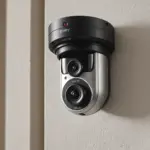
Small cameras are often designed to blend into objects already found in a hotel room. The most important clue is not a particular product type, but whether an object is unusual, unnecessarily positioned, or aimed toward a private area.
- Smoke detectors and wall clocks: A small lens may be fitted behind a pinhole or another opening.
- Power adapters and USB chargers: Some devices are made to look like ordinary charging equipment.
- Alarm clocks, tissue boxes, and decorations: These objects can provide a clear view while attracting little attention.
- Power outlets, switches, and other fixtures: Look for unexplained holes, unusual components, or objects that do not match the room.
- Battery-powered devices: A camera may record to a memory card instead of transmitting footage.
A camera placed near a bed, desk, changing area, or bathroom is especially concerning because those locations involve a strong expectation of privacy.
How hotel spy cameras may operate
Some concealed cameras transmit video over Wi-Fi or another wireless connection. Others store recordings on a local memory card and do not produce an obvious network signal. Certain models may also include audio recording or infrared lighting for use in darkness.
Surveillance equipment can have legitimate uses in some settings, particularly in public or clearly disclosed security areas. That is different from covert recording in a private guest room. Whether a particular device is lawful depends on the location, the circumstances, and applicable privacy and recording laws. Laws vary, but recording people without consent in bedrooms or bathrooms is widely treated as a serious privacy violation.
Ways to check a hotel room
Carry out a calm visual inspection before unpacking or using the room for sensitive activities. Start with objects that face the bed, desk, seating area, or bathroom. Check for tiny lens openings, unexplained wires, modified chargers, and fixtures that appear different from those elsewhere in the room.
Use a light to look for lens reflections
In a dim room, shine a flashlight slowly across suspicious objects. A camera lens may reflect the light as a small, sharp glint. This method is not conclusive: reflective surfaces can produce similar results, and a concealed lens may be difficult to see from some angles.
Check for infrared illumination
Some cameras use infrared light for night vision. A phone camera may sometimes display infrared LEDs as faint bright spots in a dark room. Phone cameras differ, so this is only a basic check rather than proof that a room is clear.
Review connected devices carefully
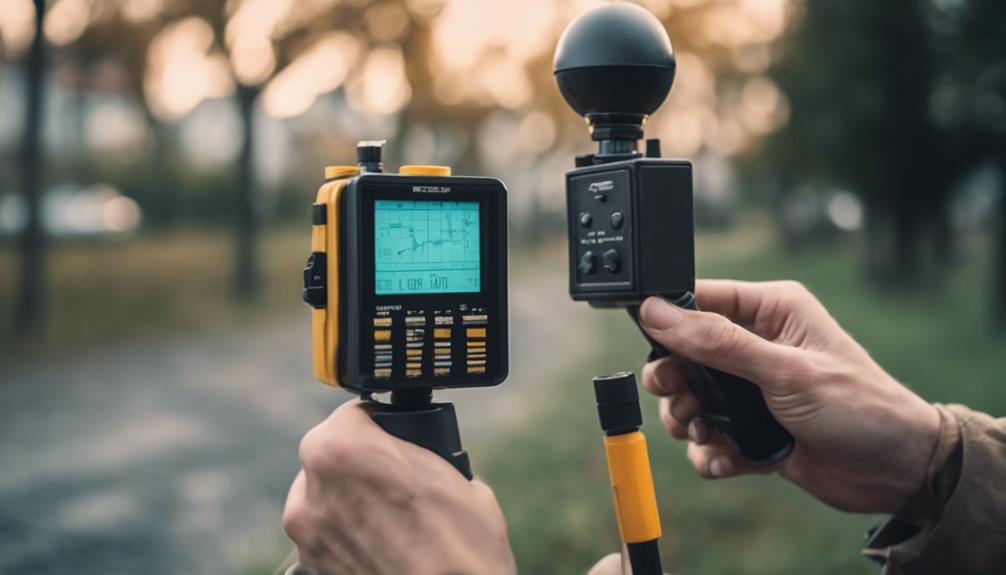
If you have access to the accommodation’s Wi-Fi, a network-scanning app may reveal unfamiliar devices. However, a network check cannot find a camera that records offline, uses another connection, is wired, or is not transmitting at the time of inspection. RF or hidden-camera detectors have similar limitations and should not be treated as guaranteed protection.
What to do if you find a suspected device
- Prioritize personal safety. If you feel threatened, leave the room and contact local emergency services or police.
- Avoid tampering with it. Do not immediately destroy, unplug, reset, or dismantle the device unless necessary to protect yourself.
- Document the scene. Take clear photographs and video showing the device, its position, the direction it faces, nearby wiring, and the surrounding room.
- Record relevant details. Note the room number, date, time, how you noticed the object, and the names of staff members you contact.
- Notify management and request escalation. Ask for hotel security or a senior manager, and consider requesting written confirmation that the device was found and reported.
- Contact law enforcement. Police can advise on preserving the device and investigating whether footage was recorded or transmitted.
Do not access suspected recordings, alter network equipment, or share intimate images publicly. Preserve photographs and other information for investigators instead. If the hotel offers to move you to another room, document the original room first when it is safe to do so.
Practical precautions for travelers
Book accommodation from a reputable provider and review available guest feedback for privacy-related concerns. After arrival, make a quick inspection of fixtures and objects aimed at private spaces. Avoid entering passwords, payment details, or other sensitive information where an unfamiliar device appears to have a direct view.
Travelers who want additional reassurance can carry a flashlight or a dedicated detector, while remembering that no simple check identifies every type of camera. Covering or removing an object may conceal the problem and destroy useful evidence, so report anything suspicious before taking action whenever possible.
Protecting privacy responsibly
Discovering a suspected hotel spy camera can be alarming, but a careful response is more useful than confrontation or speculation. Document what you see, protect yourself, notify the property, and involve law enforcement when appropriate. Because surveillance and recording rules differ by jurisdiction, seek local legal advice if you are considering a formal complaint, compensation claim, or other action.