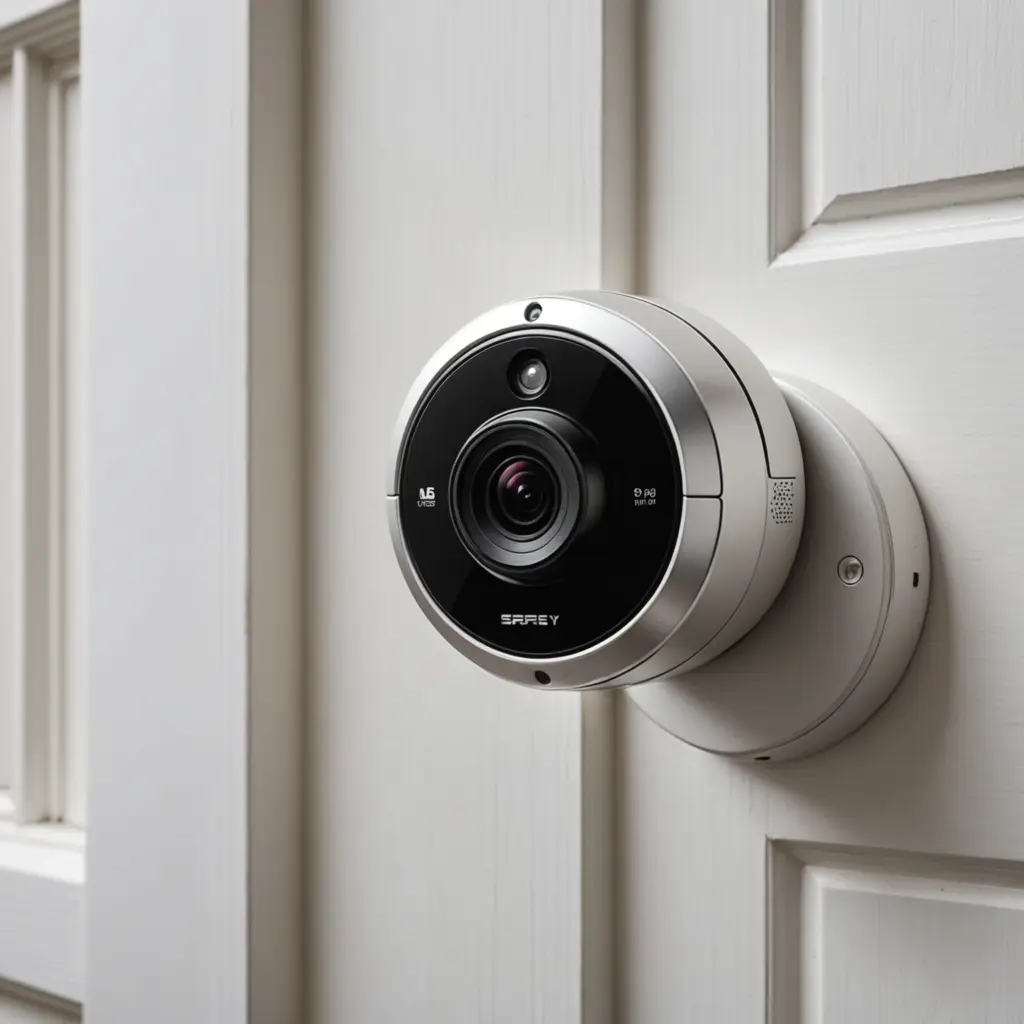

A hidden pinhole camera in drywall is a miniature camera module positioned behind a small opening in a wall, trim panel, or another building fixture. Because only the lens or aperture may be visible, this type of device can be difficult to notice. That discreet design is sometimes considered for legitimate security purposes, but it also creates serious privacy, legal, and maintenance concerns. For drywall installations, examine wall pinhole devices to understand different covert recording device types and features.
How a drywall pinhole camera works
A pinhole camera uses a very small lens paired with a compact image sensor. The camera may send video to a nearby recorder, transmit it over a network, or store footage locally, depending on the design. Some models are intended for low-light use, while others require sufficient room lighting to produce a useful image.
For a wall installation, the camera module is placed behind drywall or within a compatible fixture, with the lens aligned to a small opening. The installation must account for the camera’s viewing angle, power source, recording method, and access for future inspection or replacement. A poorly planned installation can produce blocked views, unreliable footage, overheating, or damage to the wall.
Legitimate applications
There are situations in which discreet monitoring may serve a genuine safety or security purpose. Examples can include watching an entrance to an unoccupied property, monitoring a storage area, or helping protect a vulnerable person when everyone with a right to know has been properly informed. Businesses may also use video systems in limited areas for security, subject to applicable workplace and privacy requirements.
In many cases, however, a visible security camera is the better option. Clearly positioned cameras can deter unauthorized activity, make their purpose apparent, and reduce the risk that occupants or visitors will feel secretly monitored. A conventional indoor camera may also be easier to install, maintain, reposition, and update than a device embedded in a wall.
Privacy and legal considerations
Recording laws differ by location and depend on factors such as consent, the type of footage collected, and where the camera is installed. Rooms where people reasonably expect privacy—especially bathrooms, changing areas, and bedrooms—are particularly sensitive and may be off-limits to surveillance without explicit, informed consent. Audio recording can involve additional restrictions.
Before installing any camera, identify who may be recorded, what areas will be visible, how long footage will be retained, and who can access it. Employers, landlords, caregivers, and property owners may have specific notification or consent obligations. When the situation is uncertain, obtain advice from a qualified local legal professional rather than relying on a general online description of surveillance law. For a portable alternative to drywall installation, explore portable concealment options designed for discreet observation on the move.
Installation and maintenance concerns
A wall-mounted or embedded camera should be installed by someone who understands electrical safety, building requirements, and the structure of the property. Wiring must not interfere with electrical systems, plumbing, insulation, fire protection, or other safety equipment. The installation should also leave a practical way to service the camera and remove it without unnecessary damage.
Security is not limited to the physical installation. Network-connected cameras and recorders should use strong, unique passwords, current security updates, protected wireless connections, and access controls for stored footage. Keep recordings only for as long as there is a genuine business or safety reason to retain them, and delete them securely when they are no longer needed.
How to check for an unauthorized wall camera
If you suspect that a room contains an undisclosed camera, begin with a careful visual inspection. Look for unusual apertures, unexplained components, modified outlet or switch plates, small lenses, and fixtures that appear out of place. Check whether an object has an unobstructed view of areas where people spend time.
Technical detection tools may help, but they are not conclusive on their own. Lens-finding tools can sometimes reveal reflections from camera glass, while radio-frequency detectors may identify certain transmitting devices. These methods may miss cameras that are wired, inactive, locally recording, or designed to avoid radio transmission.
If you find a suspicious device, avoid damaging it. Photograph its location if safe to do so, leave the area if you feel at risk, and contact building management, a qualified security professional, or law enforcement as appropriate. A professional inspection may be the most reliable choice when privacy or personal safety is a concern.
Choose transparency when possible
A hidden pinhole camera in drywall can be technically compact, but concealment should never replace clear policies, informed consent, and careful data protection. For most homes and businesses, a visible camera with a limited field of view offers a more transparent and manageable approach. When discreet monitoring is genuinely necessary, it should be narrowly justified, legally reviewed, professionally installed, and operated with respect for the privacy of everyone affected.