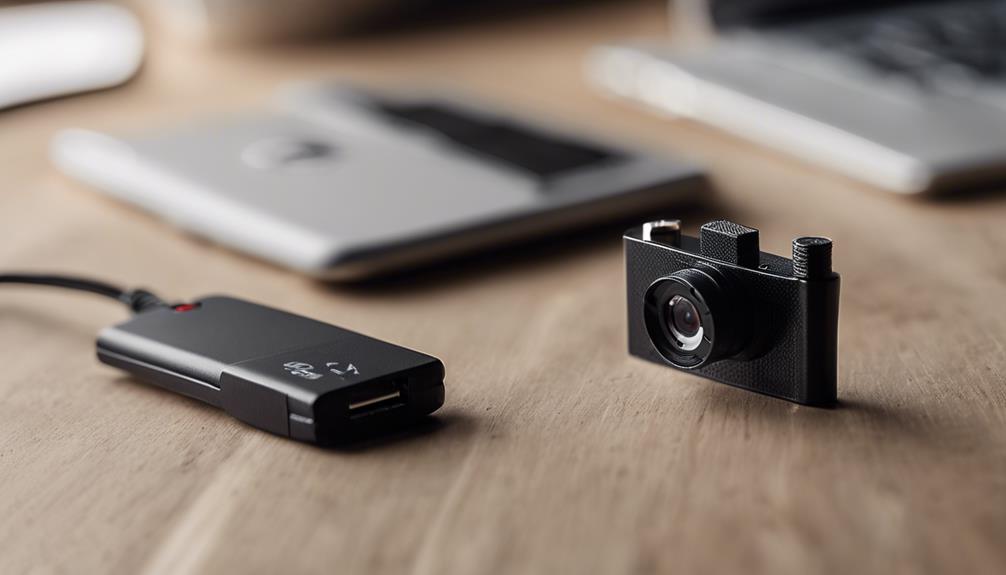

The Spypoint Micro S LTE is a compact cellular trail camera built for monitoring locations that are difficult or inconvenient to visit regularly. Rather than requiring the user to collect an SD card after every outing, it can transmit captured images through a cellular connection to a Spypoint account or mobile app. That makes it useful for wildlife scouting, remote property checks, and other situations where timely image delivery matters. See how the Micro S Lte model compares to other specific surveillance device types for different applications.
The camera is also referred to as the Spypoint Link Micro in some regions or product listings. Exact features, activation requirements, and service options may vary by model and location, so confirm the details supplied with the specific unit before purchase.
What makes the Micro S LTE different?
Its main advantage is the combination of a small physical footprint and cellular connectivity. A compact camera is easier to conceal, mount in confined spaces, and position near a trail, feeder, gate, or other area of interest. LTE connectivity adds remote access, allowing images to be delivered without a routine visit to the camera site.
This design is especially useful when the goal is to check whether activity has occurred rather than record every detail locally. The camera can retain images on a memory card while also sending selected photographs through the connected service, creating both local and remote access to captured material where supported.
Key features to consider
- Cellular image delivery: Photos can be sent to a Spypoint app or account through a compatible cellular service.
- Compact construction: The small body helps with discreet placement and reduces the visual impact of the installation.
- Night monitoring: Infrared illumination supports image capture after dark without relying on visible lighting.
- Local storage: An SD card may provide on-site image retention in addition to remotely delivered photographs.
- Remote settings and review: Depending on the model and service, the app or web portal can be used to review images and manage selected camera settings.
These features make the Micro S LTE more convenient than a basic non-cellular trail camera, but they also introduce requirements that do not apply to a standalone camera—most importantly, adequate network coverage and an active service arrangement.
Battery life and cellular coverage
Battery performance depends on how often the camera is triggered, how many images it sends, the selected transmission settings, and the strength of the LTE signal. A location with weak coverage may cause the camera to use more energy while attempting to communicate. Frequent motion events can also increase both transmission activity and battery consumption.
To extend operating time, choose settings that match the purpose of the installation. Avoid sending more images than you need, reduce unnecessary transmission frequency where the available controls allow it, and check the camera periodically during the first deployment. Replacing batteries before the expected service interval can be particularly important at remote sites.
Installation and setup
Initial setup generally involves installing the batteries and memory card, registering or activating the camera, and connecting it with the Spypoint app or web portal. Some versions may include a preconfigured SIM or require a separate activation or data plan. Follow the instructions supplied for the exact camera and region, since service arrangements are not necessarily identical across markets. For privacy-conscious placement, compare the Spypoint Micro S LTE with lawful, consent-based indoor monitoring considerations.
Before fixing the camera permanently, test it at the intended location. Confirm that it can connect to the cellular network, then check the camera angle, detection area, and image delivery. Mount it at a height and angle suited to the subject rather than simply pointing it toward the most obvious path. A stable strap or mounting system helps prevent movement, while additional security may be appropriate where tampering or theft is a concern.
Practical applications
Hunters and wildlife observers can use a connected micro trail camera to watch trails, feeding areas, and other locations without repeatedly disturbing the site. Landowners may use it to receive images from gates, access roads, buildings, or remote equipment. Conservation and research projects can benefit from a relatively unobtrusive camera that reduces the need for frequent visits.
The same basic approach can support monitoring at construction areas, storage locations, or other remote properties. However, the camera should be positioned and operated with consideration for privacy, local regulations, and the expectations of people who may enter the monitored area.
Limitations before you buy
The Micro S LTE is not automatically the best choice for every installation. Cellular service is essential for remote delivery, so a camera placed in a weak-signal area may experience delays, unreliable uploads, or increased battery drain. A compact model may also offer less coverage or less distant detail than a larger camera designed for a wider field of view.
Ongoing costs deserve equal attention. Depending on the product version and region, image delivery may involve a data plan, subscription, or other service terms. Include those costs in the ownership budget, along with batteries and any mounting or security accessories.
Is the Spypoint Micro S LTE suitable for your needs?
This camera is most attractive when discreet placement and remote image access are more important than maximum range or advanced local recording features. It can simplify wildlife scouting and remote site checks, provided the installation has dependable LTE coverage and the service costs are acceptable. Test the signal, plan the camera angle carefully, and select transmission settings that balance timely alerts with battery life.