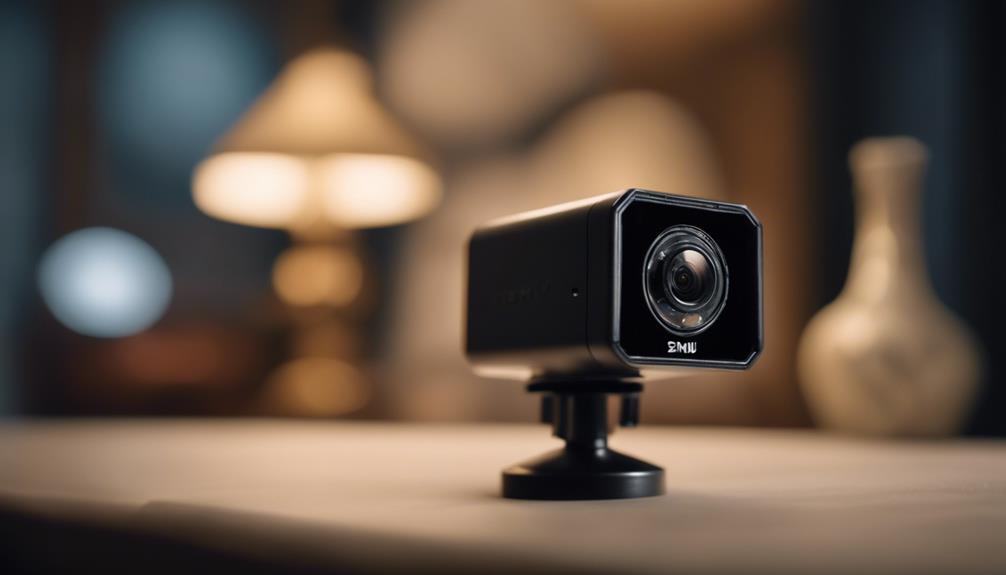

A hidden camera backpack combines the everyday appearance and portability of a normal bag with a small concealed camera. The lens may be positioned in a seam, strap, or other part of the backpack, while the internal equipment can include a battery, memory card, and—on some models—wireless connectivity.
This format can be useful when hands-free recording and mobility matter, but it also creates serious privacy and legal responsibilities. Before buying or using one, define a legitimate purpose, understand the recording laws that apply to your location, and consider whether a visible camera or consent-based approach would be more appropriate.
How a hidden camera backpack works
Most concealed backpack systems use a miniature digital camera connected to local storage. Recorded video is commonly saved to a memory card for later transfer. Other models may support Wi-Fi or cellular connectivity for remote viewing, although wireless features can increase power consumption and introduce additional security concerns.
The backpack itself provides more room than very small disguised cameras. That space may allow for a larger battery, additional storage, or easier access to the recording hardware. Actual performance varies by design, so specifications should be checked carefully rather than assumed from the product’s appearance.
Features that may vary
- Video resolution and field of view: Higher detail and a wider view can make footage more useful, but they may also require more storage and battery power.
- Storage method: Local memory-card recording gives you direct control of the files, while wireless systems may provide remote access.
- Power options: Battery capacity, replaceable batteries, and compatibility with an external power bank affect how long the system can operate.
- Recording modes: Continuous recording, motion activation, and loop recording each suit different situations.
- Low-light performance: Night-vision or low-light functions can help in dim conditions, but they should be tested in the environment where recording is intended.
- Audio recording: Some devices include a microphone. Audio often has stricter consent requirements than video, so this feature should not be enabled automatically.
When a backpack camera may be appropriate
A concealed camera may have a legitimate role in certain professional or safety-related situations, such as documenting events in public areas, supporting an authorized investigation, or recording field work where a hands-free setup is useful. The backpack format is practical when carrying equipment naturally is important and when the operator needs to remain mobile.
However, concealment is not a substitute for permission. Recording people in private settings, sensitive facilities, changing areas, restrooms, or homes without authorization can violate privacy rights and may be unlawful. A responsible use case should have a clearly defined purpose, a limited recording area, and a plan for protecting the resulting files.
Choosing the right hidden camera backpack
Begin with the scene rather than the feature list. Decide whether you need local recording or remote monitoring, how long the camera must operate, and how much of the surroundings must be visible. A wide-angle lens can cover more area but may create distortion at the edges. Higher resolution can improve detail while using more storage and energy.
Inspect the physical design as well. The lens should have a clear, stable view and should not be blocked by fabric, straps, or items placed inside the bag. The camera opening should not require awkward positioning that makes the backpack look unnatural. Also check how easily the battery and storage card can be accessed without damaging the bag or disturbing the equipment.
Privacy, legal, and ethical safeguards
Recording rules differ between jurisdictions and between public and private spaces. Audio may require the consent of one or more participants, while video restrictions may depend on where people are recorded and whether they reasonably expect privacy. These rules can also apply to live transmission, not only saved footage.
Before using a hidden camera backpack:
- Check the applicable video and audio recording laws.
- Obtain authorization when recording for an employer, client, investigation, or organization.
- Do not record in places where people reasonably expect privacy unless you have clear legal permission.
- Use the least intrusive method that can accomplish the legitimate goal.
- Define how long footage will be kept and who may access it.
- Avoid sharing or publishing recordings beyond the original authorized purpose.
Setup and maintenance tips
Test the system before using it. Confirm that the lens is unobstructed, the date and time are configured correctly if available, and the recording angle captures the intended area. Motion detection should be tested and adjusted to reduce unwanted clips. For longer sessions, fully charge the battery and carry approved backup power where permitted.
Protect recorded material with strong device passwords and secure storage. If the camera supports wireless access, change default credentials and avoid exposing the live feed unnecessarily. Transfer important files promptly, keep backups on encrypted storage where appropriate, and document why the recording was made, where it is stored, and who has reviewed it.
A hidden camera backpack can offer portability and hands-free operation, but its concealed design demands extra care. A clear lawful purpose, careful equipment testing, limited data access, and respect for privacy are more important than maximum concealment or the longest possible recording time.