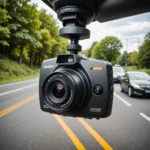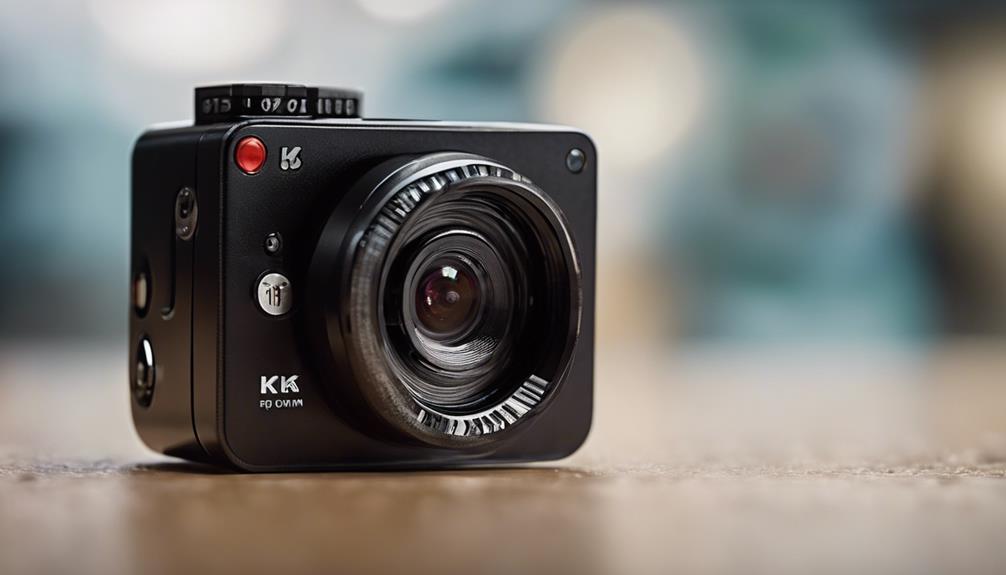

An indoor camera with a dedicated monitor provides a simple way to view activity at home, in a small office, or in another indoor space. Unlike a camera that depends entirely on a phone app, this type of system includes a separate screen for quick live viewing. That can be useful when you want to check a room without unlocking a phone, opening an app, or relying on a mobile device. When choosing an indoor camera with monitor, evaluate miniature lens options for discreet, purpose-specific surveillance installations.
The best choice depends on how you plan to use the system. A baby monitor, a multi-room home setup, an elderly-care monitor, and a small-business security system may all require different combinations of video quality, audio, storage, alerts, and privacy controls.
What an indoor camera with monitor includes
Most systems pair a compact camera with a handheld or tabletop display. The camera sends live video to the monitor through a wireless connection or, in some cases, a wired setup. Depending on the model, the monitor may support several camera feeds, room-to-room switching, motion notifications, and two-way communication.
A dedicated display is particularly convenient for frequent checks. It can remain available in a common area, making it easier for parents, caregivers, or staff to view a feed without sharing access to a phone or computer.
Common types of systems
Single-camera monitors
These are often used for babies, pets, or a specific room. They are usually straightforward to install and operate, making them a practical option when you only need one viewing position.
Multi-camera systems
A single monitor can display cameras placed in different rooms or at several indoor locations. This arrangement is useful when you need to check multiple areas, such as a nursery, living space, entrance, or office. Confirm how easily the monitor switches between feeds and whether it can show more than one view at once.
Care and pet-monitoring systems
Some systems emphasize large, easy-to-read screens, simple controls, two-way audio, or features designed for checking on pets. Choose based on the interaction you actually need rather than selecting features that will go unused.
Discreet camera designs
Small or concealed cameras may be marketed for unobtrusive monitoring, but they require particular care. Do not place a camera where people reasonably expect privacy, and follow applicable disclosure and consent requirements. A miniature lens or hidden form factor should never be treated as a way to avoid those responsibilities. For discreet monitoring beyond a dedicated display, explore laptop privacy options alongside your indoor camera setup.
Features worth comparing
- Video resolution: Clearer video makes it easier to identify people and understand what is happening in a room. A 1080p option is a useful baseline when detail matters.
- Monitor size: Smaller screens are easier to carry, while larger screens can make several camera feeds easier to review.
- Night vision: Infrared night vision helps maintain visibility in low-light conditions without requiring bright room lighting.
- Two-way audio: A built-in microphone and speaker allow you to speak through the camera, which can help when reassuring a child, communicating with a caregiver, or interacting with a pet.
- Motion detection: Adjustable sensitivity can help limit unnecessary alerts caused by lighting changes or routine movement.
- Storage: Local memory cards, network storage, and cloud recording each offer different approaches to access, privacy, and retention. Review how footage is saved before enabling recording.
- Power: Battery-powered cameras are easier to reposition but require charging. Wired models are less flexible but can provide continuous operation.
- Connection range: Test the wireless signal in the intended locations. Walls, floors, and the distance between the camera and monitor can affect reliability.
Choosing a system for your situation
For a baby or child, prioritize dependable live video, night vision, two-way audio, and alerts that are easy to understand. For elderly care, a clear display and uncomplicated controls may be more important than advanced recording features. Pet owners may value flexible placement and communication, while a small business may need several cameras and a monitor that makes it easy to review different areas.
Think about the primary purpose before comparing specifications. A system intended for occasional room checks does not need the same setup as one used to monitor several locations throughout the day.
Installation and privacy
Place the camera where it has a useful view without pointing directly at windows, which can create glare. A higher position may provide broader coverage, but the camera should remain secure and inaccessible to children or other people who might move it. After installation, test the live feed, audio, night vision, and alerts from the locations where you expect to use them.
Privacy should be part of the installation plan. Avoid bedrooms, bathrooms, changing areas, and other places where occupants or visitors may reasonably expect privacy. If employees, caregivers, tenants, or guests may be recorded, provide notice and obtain consent when required by local law. Rules differ by jurisdiction, so confirm the requirements that apply to your situation.
Protect the system with strong, unique passwords and secure access settings. If recordings are stored online, review the provider’s privacy and retention practices. Responsible placement and careful handling of footage are just as important as image quality.
Final considerations
An indoor camera with a monitor is most useful when its design matches the way you will actually use it. Compare video clarity, monitor size, night vision, audio, motion alerts, storage, power, and connection range. Then install the system with both coverage and privacy in mind. A simple, reliable setup is often more valuable than a feature-heavy system that is difficult to operate or creates unnecessary alerts.