
A cell phone spy camera can refer to several different kinds of compact camera systems: a camera concealed in a phone-like device, a small camera controlled through a smartphone app, or a cellular unit that sends video and alerts over a mobile network. Although these products are often described as discreet monitoring tools, their use requires careful attention to privacy, consent, and local law. Explore phone surveillance types in our pillar post to compare functionality, concealment, range, and legal considerations.
This guide explains how mobile-connected cameras work, what to consider before choosing one, and how to use or detect them responsibly.
What Is a Cell Phone Spy Camera?
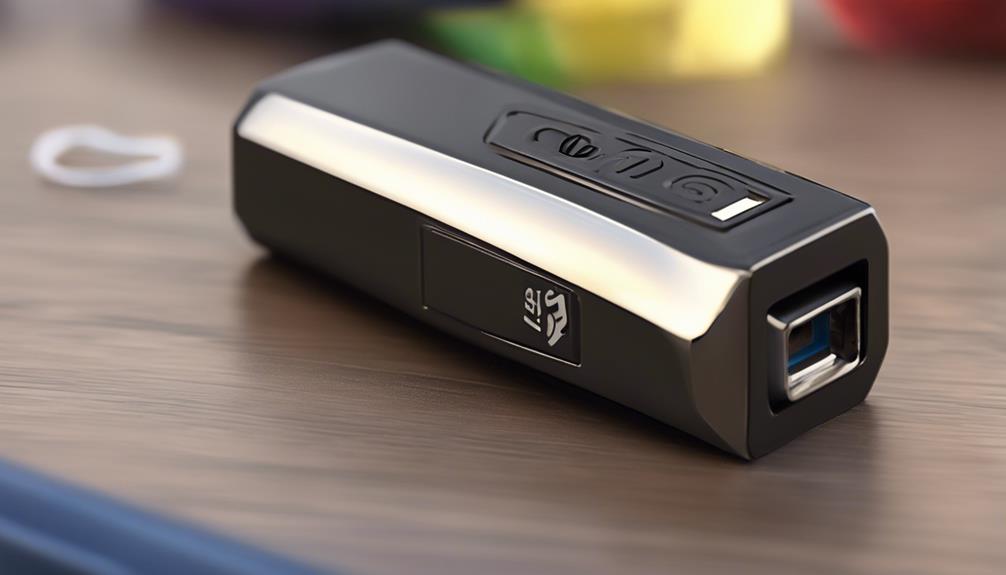
The term “cell phone spy camera” is used broadly. It may describe a miniature camera that pairs with a smartphone, a camera hidden inside an object designed to resemble a mobile phone, or a standalone camera with cellular connectivity. Depending on the design, the camera may send a live view to an app, save footage locally, or transmit alerts when movement is detected.
Small image sensors, compact lenses, and low-power electronics make it possible to place cameras in relatively small housings. However, a discreet design does not remove the responsibility to use the device lawfully or to respect people’s reasonable expectations of privacy.
Common Types of Mobile-Connected Cameras
Smartphone-connected cameras
Some compact cameras connect to a phone through Wi-Fi or Bluetooth. A companion app may provide live viewing, motion alerts, recording controls, or access to saved video. These systems are often intended for use within a local wireless network or nearby connection range.
Cellular cameras
A cellular camera uses a SIM card or built-in mobile connectivity to send video, images, or notifications over a carrier network. This can be useful in locations where a local Wi-Fi connection is unavailable, such as a detached structure or remote property. Before selecting this type of device, check the network requirements, data plan, coverage, and expected upload usage.
Phone-shaped or concealed cameras
Some products are designed to resemble an ordinary phone or another familiar object while concealing the lens. Their appearance may make them less noticeable, but concealment also creates greater privacy and consent concerns. In many situations, a visible security camera is a safer and more transparent choice.
Features to Compare Before Buying
Focus on the camera’s practical requirements rather than concealment alone. Important factors include:
- Connection method: Determine whether the device requires Wi-Fi, Bluetooth, or a cellular network.
- Power and battery life: Check how long the camera can operate and how it is recharged or powered.
- Storage: Review whether recordings are stored on a memory card, in the cloud, or on another local device.
- Security: Look for account protection, secure connections, and storage controls that help prevent unauthorized access.
- Motion detection: Adjustable sensitivity can help reduce unnecessary alerts and recordings.
- Image quality: Consider the field of view, low-light performance, and resolution needed for the location.
- Audio: If the camera records sound, confirm that doing so is permitted where the device will be used.
Appropriate Uses and Setup Practices
When permitted by law and properly disclosed where required, compact cameras may support home security, monitoring of an entryway or garage, or documentation of activity around a property. Businesses may also use surveillance systems to address security concerns, provided that employees, visitors, and customers are treated according to applicable rules and workplace policies. When comparing a cell phone spy camera, consider expandable home monitoring for compatible add-on devices.
Choose a stable position with a clear view of the area you are authorized to monitor. Avoid bedrooms, bathrooms, changing areas, and other places where people reasonably expect privacy. Test the live view, motion settings, notifications, and recording function before relying on the system. For cellular devices, confirm that the SIM plan and network coverage support the intended use.
Protect recorded material as carefully as the camera itself. Use strong, unique account credentials, restrict access to authorized users, and avoid sharing footage unnecessarily. Establish a retention period so recordings are not kept indefinitely without a clear reason.
Legal and Ethical Considerations
Surveillance laws differ by jurisdiction, and audio recording may be subject to separate consent requirements from video recording. Secretly recording people in private spaces can lead to serious criminal or civil consequences. Even where recording is technically lawful, covert monitoring may damage trust or create an unnecessarily intrusive arrangement.
Before installing a camera, identify the specific security problem and consider whether a visible camera, improved lighting, access controls, or another less intrusive measure would address it. Obtain consent or provide notice when required, and follow relevant workplace, tenancy, childcare, and data-protection rules.
How to Check for an Unauthorized Camera
If you believe a hidden camera may be present, begin with a visual inspection. Look for unfamiliar objects, small lenses, unexplained wiring, or devices positioned toward private areas. You can also review the wireless network for unknown connected devices, although a network check will not find every camera. Some people use radio-frequency detectors or camera-detection tools, but these methods can produce false results and should not be treated as conclusive on their own.
Secure your own environment with strong wireless passwords, updated devices, restricted access to guest networks, and regular inspections of sensitive rooms. Organizations should maintain clear surveillance policies and train staff on acceptable monitoring practices.
Choose the Least Intrusive Option
A phone-connected or cellular camera can provide convenient remote viewing, but the right choice depends on connectivity, power, storage, and legitimate security needs. Treat concealment as a privacy risk rather than the main measure of quality. A transparent setup, secure data handling, and compliance with local requirements are essential for protecting people and property responsibly.