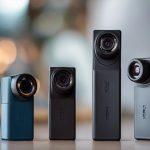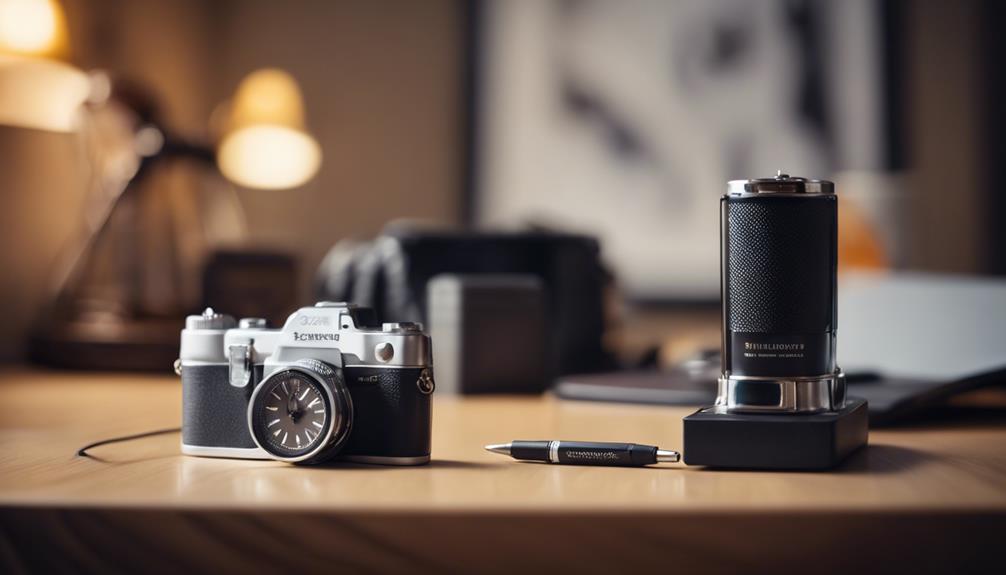

Hidden cameras are small recording devices designed to attract little attention. They may be used for legitimate security purposes, but the same discreet design can also be abused to record people without their knowledge. Understanding the different device types, practical limitations, and privacy responsibilities is essential before installing or purchasing any hidden cam voyeur spy equipment.
What hidden cameras are designed to do
A hidden camera typically combines a miniature lens with a recording system, wireless connection, or storage card. Some devices are built into ordinary-looking objects, while others are small enough to mount behind a surface or inside an enclosure. Their main advantage is discreet monitoring, although concealment can create serious legal and ethical concerns when people do not know they are being recorded.
Common types of discreet camera
- Pinhole cameras: These use a very small lens that can be installed behind a narrow opening or incorporated into a larger object.
- Disguised cameras: Some products are made to resemble household items such as clocks, chargers, smoke detectors, or other everyday objects.
- Miniature wireless cameras: Wi-Fi models may allow remote viewing or send footage to network-connected storage, depending on their design and setup.
- Wearable cameras: Button-style and eyeglass-mounted cameras are intended for close-range recording and portability.
- Outdoor and trail cameras: Battery-powered or solar-assisted units can be used to observe property or wildlife without a permanent wired connection.
A camera’s small size does not automatically make it suitable for every location. Placement, lighting, power access, network security, and local privacy rules all affect whether a particular device is appropriate.
Lawful and responsible applications
There are situations in which discreet monitoring may support a legitimate security objective. Property owners may want to document activity near an entrance, protect valuable equipment, or investigate repeated damage. Wildlife observers may use small cameras to watch animals without disturbing them. A business may also use surveillance to protect inventory or document incidents, provided the system complies with applicable employment and privacy requirements.
Monitoring should be limited to the specific area and purpose that justify it. Cameras should not be placed in bathrooms, bedrooms, changing areas, or other locations where people reasonably expect privacy. When monitoring people is necessary, clear notice or informed consent is often the safest approach, particularly in workplaces, rental properties, and shared homes.
Features to evaluate for legitimate security use
Image quality matters, but it is only one part of a practical setup. Consider the following features:
- Resolution and low-light performance: These affect whether recorded footage is useful in daytime, nighttime, or poorly lit areas.
- Power options: Wired devices can support continuous operation, while battery-powered cameras are easier to position but require charging or replacement.
- Storage: Footage may be saved locally on a memory card or handled through a network or cloud service. Review how long recordings are retained and who can access them.
- Motion detection: Activity-based recording can reduce unnecessary footage and make relevant events easier to find.
- Connectivity and security: Wireless cameras should use strong, unique account credentials and secure network settings.
- Durability and installation: The device should be appropriate for its environment and installed without creating hazards or damaging property.
Audio deserves particular caution. Rules governing recorded conversations can be stricter than rules governing video, and requirements differ between jurisdictions. Disable audio unless it is clearly necessary and lawful.
Privacy and legal boundaries
Camera laws vary by country, state, and local jurisdiction. A central issue is whether the recorded person has a reasonable expectation of privacy. Recording in an openly monitored area may be treated differently from recording inside a private or intimate space. Consent requirements may also apply to audio, employee monitoring, tenants, visitors, or shared property.
Before installing a hidden cam voyeur spy device, check the rules that apply where the camera will be used. Consider using visible cameras and notices whenever possible. A lawful security goal does not justify secretly recording personal activities, and technical capability is not a substitute for consent, proportionality, or respect for privacy.
How to look for an unauthorized hidden camera
Travelers, tenants, and household members can begin with a careful visual inspection. Look for unfamiliar objects, unexplained holes, unusual wiring, or devices positioned toward beds, showers, changing areas, or other private locations. Lens-reflection tools and radio-frequency detectors may help in some situations, but they are not guaranteed to find every camera. Network checks can also reveal unfamiliar connected devices when a camera uses the local Wi-Fi.
If you find a suspected camera, avoid damaging or removing it if doing so could destroy evidence. Photograph the device and its location if it is safe, leave the area when appropriate, and contact the property manager or relevant authorities. Anyone who believes they have been recorded unlawfully should seek local legal or law-enforcement guidance.
Use discretion to protect both security and privacy
Hidden cameras can support narrowly defined security and observation tasks, but their concealed nature increases the risk of misuse. Choose the least intrusive monitoring method that meets the real need, secure stored footage, limit access, and review local requirements before recording. Responsible use means protecting property without turning private spaces into places where people are watched without their knowledge.