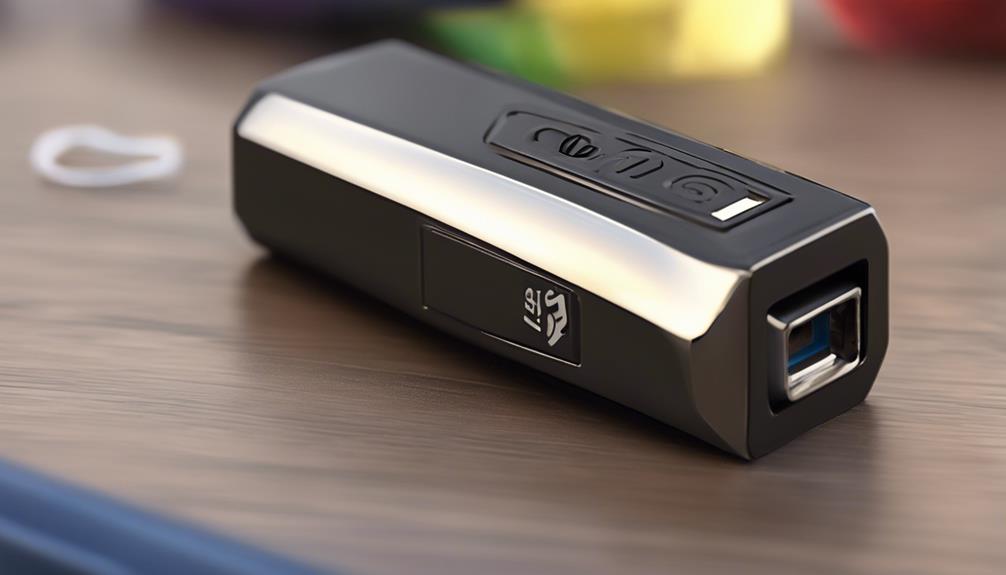

A wired mini camera is a compact surveillance camera that receives power—and, depending on the design, sends video—through a physical cable. This setup makes wired models useful when dependable operation matters more than quick, wireless installation. They can support continuous recording, avoid battery changes, and reduce concerns about Wi-Fi interruptions or wireless interference.
Small wired cameras are available in several forms, including compact boxed units and models with pinhole-style lenses. The right choice depends on the space being monitored, the available power and cabling, the required image quality, and the recording equipment already in use.
How wired mini cameras differ from wireless models
The main difference is how the camera communicates and receives power. A wired mini camera connects to a recorder, monitor, network, or power supply using cables. Some models use separate power and video connections, while others can carry both through a network connection such as Power over Ethernet.
Wireless cameras may be easier to place because they require less cabling, but they can depend on battery life and the quality of a wireless network. A wired model is often better suited to fixed installations where uninterrupted operation is important. It can also connect with traditional digital video recorders, network video recorders, or other compatible security equipment.
Features to compare before buying
Compact size alone does not determine whether a camera will perform well. Compare the following specifications and practical requirements:
- Resolution: Higher-resolution sensors can provide more detail, but the recorder, storage system, and display must also support the chosen video quality.
- Low-light performance: Night vision or infrared illumination may help in dark areas. Test the expected viewing distance because compact cameras can have a shorter infrared range than larger units.
- Lens and viewing angle: A wide-angle lens covers more space, while a narrower lens may be preferable when identifying activity in a specific area.
- Dynamic range: Wide dynamic range can help balance bright entrances and darker indoor areas in the same view.
- Recording compatibility: Confirm whether the camera works with an analog CCTV system, HD-over-coax equipment, an IP network, or another recorder format.
- Storage and recording functions: Motion detection and loop recording can be useful, but confirm how these features are handled by the camera or connected recorder.
- Cabling: Measure the route from the camera to the power source and recorder. The installation may require separate cables or a network cable capable of carrying power and data.
Planning a reliable installation
Plan the camera’s field of view before fixing it in place. Identify the areas that need coverage, check for obstructions, and consider changing light throughout the day. Entrances, hallways, and other access points are often practical locations in a home or small business, provided the camera does not capture areas where people reasonably expect privacy.
Route cables carefully to reduce visibility, prevent damage, and avoid sharp bends or sources of electrical interference. Keep the recorder and power connections protected from unauthorized access. After installation, check the daytime image, test recording, and review nighttime footage. Adjust the lens angle and infrared settings where available so that the image is not obscured by glare or excessive reflection.
Appropriate uses
A wired mini camera can be useful for monitoring an entrance, observing equipment, supporting a retail security system, or recording activity in a permitted residential area. It may also suit vehicle, fleet, or construction equipment when a stable power source is available. In each case, the camera should be installed openly or with the knowledge and permission required by the circumstances.
For a home camera setup, consider whether a conventional visible camera would provide the same protection with fewer privacy concerns. A small form factor can help when space is limited, but concealment should never be used to record people in private areas or without the necessary consent.
Privacy, security, and legal responsibilities
Recording laws vary by location. Rules may cover video, audio, workplace monitoring, tenants, guests, and shared spaces. Bathrooms, bedrooms, and similar private areas generally require particular care because occupants may have a reasonable expectation of privacy. Before installation, check applicable local requirements and obtain permission or provide notice where required.
Protect recorded footage as carefully as the camera itself. Use strong, unique passwords for network equipment and recorders, install available firmware updates, limit access to authorized users, and secure storage devices physically. If audio recording is not needed, disabling it can reduce privacy risks and simplify compliance.
Making the final choice
Choose a wired mini camera by starting with the intended area and recording system rather than with size alone. Confirm compatibility, cable length, low-light performance, storage requirements, and the available power source. A well-planned wired installation can provide steady monitoring and consistent footage, but responsible placement and proper access controls are essential to using the technology safely and lawfully.