
A camera in a vent can provide a discreet view of a room or entry area, but concealment should never replace lawful, proportionate security planning. Vent-mounted cameras are sometimes considered where a visible device could be obstructed or damaged. They also present practical challenges involving airflow, power, image quality, maintenance, and privacy.
What is a camera in a vent?
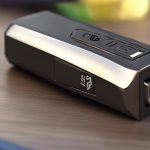
A camera in a vent is a compact surveillance device positioned behind or within a vent grille, with the lens aimed through an opening or between the slats. Some models connect to a recorder or network by cable, while others use Wi-Fi or battery power. The vent may provide a convenient elevated position, but it is not automatically a suitable enclosure for electronics.
Before choosing this approach, consider whether a visible ceiling, wall, or doorbell camera would provide the same protection with less privacy concern and easier maintenance. Concealment should have a clear, legitimate purpose rather than being used simply to monitor people without their knowledge.
Where a vent-mounted camera may be appropriate
Potential uses depend on local law, the property layout, and the people being recorded. A properly disclosed system may help monitor an entrance, a restricted service area, or another location where security is necessary. In homes and businesses, a visible camera is often the better choice because it sets clear expectations and can deter interference.
- Monitoring an entry point or access-controlled area
- Observing equipment or infrastructure that requires protection
- Supporting safety monitoring in a permitted common area
- Recording an incident where notice, consent, and retention policies are in place
Do not place cameras in bathrooms, changing areas, bedrooms used by others, or other locations where people reasonably expect privacy. Avoid using a concealed device to secretly monitor employees, tenants, guests, caregivers, or family members.
Installation and equipment considerations
Check the vent and airflow
Inspect the grille, duct depth, surrounding materials, and access points before selecting equipment. A tight metal duct may leave little room for a camera body or cable. Air movement can introduce vibration, noise, dust, and temperature changes, while louvers may block part of the image. Do not obstruct the vent or install a device where it could interfere with heating, cooling, or ventilation performance.
Plan power and connectivity
Wired cameras require a safe route for power and data, and any electrical work should be completed in accordance with applicable regulations. Battery models avoid some cabling issues but must remain accessible for charging or replacement. Wi-Fi performance may be reduced by metal ductwork, so test the connection from the intended position rather than assuming the signal will be reliable.
Choose the right image and sound features
A compact lens should provide the required viewing angle without being blocked by the vent face. Low-light performance can help in dim areas, but test the actual scene at different times of day. Audio deserves particular caution: recording conversations may require consent or additional legal safeguards, and sound traveling through a duct can be distorted. If audio is not essential, disabling it can reduce both privacy and compliance risks.
Privacy, consent, and data protection
Surveillance rules vary by location and may distinguish between video and audio recording, private and common areas, homes and workplaces, and personal versus commercial use. Check applicable laws before installation and obtain professional legal advice when the situation is unclear.
Use clear notices or written policies where required. Limit the camera’s view to the area that needs protection, avoid capturing neighboring property or unrelated rooms, and give authorized people a way to understand who operates the system and why. A concealed camera should not be used to bypass notice or consent requirements.
Maintenance and secure operation
Document the camera’s position, cable route, power source, and access procedure. Schedule checks to confirm that the lens has not shifted, the vent remains unobstructed, and footage is still usable. Keep firmware updated when updates are available, use strong unique passwords, and secure network access. Recordings should be encrypted or otherwise protected where possible, with viewing limited to authorized users.
Set a retention period based on the legitimate purpose of the system and delete footage when it is no longer needed. Review access logs or account permissions when staff or contractors change. If the device becomes unreliable or difficult to maintain, replace it with a more suitable visible camera rather than leaving an unattended system in place.
Is a camera in a vent the right choice?
A vent-mounted camera can be technically feasible in limited, lawful situations, but its hidden nature increases the responsibility of the installer. Compare it with visible cameras, alarms, access controls, and improved lighting before proceeding. The best setup is one that protects people or property, respects reasonable privacy, remains accessible for maintenance, and complies with the rules that apply to the location.