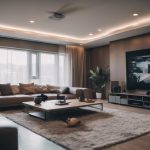

Hiding a Blink camera can help it blend into your home, rental property, or outdoor space while keeping surveillance equipment from becoming a visual distraction. The goal should be discreet, responsible placement—not recording people in situations where they reasonably expect privacy. A concealed camera must still have a clear view, dependable connectivity, adequate ventilation, and an accessible power or battery compartment.
Start with privacy and legal considerations
Before concealing any camera, check the laws and rules that apply to your location. Requirements can differ depending on whether the camera is used in a private home, shared property, workplace, rental, or customer-facing area. Never place a camera in spaces such as bathrooms, changing areas, or bedrooms used by guests where privacy is expected.
Be transparent when notice or consent is required. For shared spaces, rentals, businesses, and properties occupied by other people, signage, written policies, or direct notification may be appropriate. A discreet camera should support a legitimate security purpose without being used to secretly monitor private activity.
Choose a suitable Blink camera and location
Camera size, power source, and intended features all affect how easy it is to conceal a Blink device. A compact indoor, plug-in camera may fit more easily into home décor, while a battery-powered outdoor camera offers greater flexibility when there is no nearby outlet. Consider the features you actually need, such as motion detection, live view, night vision, or two-way audio.
Choose the location before choosing the disguise. Identify the area you need to monitor, then check whether the camera can reach it without pointing toward private spaces. A position with a stable Wi-Fi connection and convenient maintenance access is usually more useful than a perfectly hidden position that frequently disconnects.
Indoor ways to make a camera less noticeable
Indoor concealment works best when the camera becomes part of an existing arrangement rather than being placed inside a tightly enclosed object. Shelves, bookcases, picture-frame displays, and decorative storage can reduce visibility while leaving the lens exposed. A small opening may be used in a suitable decorative cover, but it must be wide enough to avoid cutting off the camera’s field of view.
- Keep the lens, motion sensor, microphone, and status indicators from being blocked by fabric, paper, or dense decorations.
- Avoid placing the camera directly behind glass, which can cause reflections or reduce image quality.
- Leave space around the device so heat can dissipate.
- Route power cables along trim or use a neat cord cover rather than sharply bending or pinching the cable.
- Position the camera where it cannot be easily knocked out of alignment.
Test the view from the camera’s actual position. A disguise that looks subtle from across the room may still obstruct the image or leave important areas outside the frame.
Outdoor concealment and weather protection
Outdoor placement requires more than camouflage. Any cover or enclosure must protect the camera from the environment without trapping heat, blocking motion detection, or weakening the wireless signal. A purpose-built housing or an open, weather-appropriate fixture is generally safer than sealing the camera inside an improvised container.
Natural surroundings, outdoor décor, or a suitable fixture can make a camera less conspicuous. Keep branches, leaves, and decorative elements outside the camera’s viewing path, and avoid locations where rainwater can collect. If the camera is near a doorway, gate, or path, check that its angle captures the intended approach rather than only the top of a person’s head or a nearby wall.
Check Wi-Fi, motion detection, and night vision
Concealment can affect performance even when the live image looks acceptable at first. Materials placed around the camera may reduce wireless reliability, while a changed angle can prevent motion alerts from covering the desired area. Run several tests after installation:
- Open the live view and check for a clear, properly framed image.
- Walk through the monitored area from different directions to test motion alerts.
- Check the image in both daylight and darkness.
- Confirm that audio and two-way communication work if you use those features.
- Watch for dropped connections or delayed notifications.
If the connection is unreliable, move the camera or its associated network equipment to a better position. A Wi-Fi extender may help where the existing signal does not reach consistently.
Plan for maintenance
A hidden camera should remain easy enough to inspect. Battery-powered models need periodic battery checks and replacement, while plug-in cameras require access to the power connection. Leave a practical way to remove the camera, clean the lens, update it, or adjust its position without damaging the surrounding décor.
Review the camera occasionally for dust, condensation, heat buildup, and changes in the field of view. Recheck its placement whenever furniture, plants, decorations, or outdoor growth changes around it.
Use concealment responsibly
Discreet placement can reduce tampering and preserve the appearance of a living space, but it should not replace responsible notice or privacy practices. Use a concealed Blink camera only for a legitimate security purpose, keep it away from private areas, and follow applicable laws, property rules, and consent requirements. With a clear view, stable connection, safe housing, and regular maintenance, a less noticeable camera can remain useful without compromising the privacy of others.