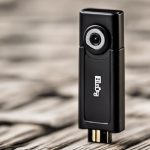

A camera concealed inside a bathroom exhaust fan or ceiling vent is a serious privacy concern. Bathrooms, changing rooms, and similar spaces are places where people generally expect privacy, so covert recording in these areas can create significant legal, ethical, and personal-safety issues. Understanding fan concealment types helps identify which covert devices might be hidden within bathroom exhaust fans.
Devices marketed as bathroom vent cameras, ceiling vent cameras, air-vent cameras, or fan cameras may be designed to blend into ordinary fixtures. Regardless of the product name or appearance, the important question is whether anyone being recorded has given informed consent and whether the installation is lawful.
What a hidden camera in an exhaust fan means
A bathroom exhaust fan hidden camera is a small recording device placed inside or behind a ventilation cover, often to make it less noticeable. Similar concealment methods may involve ceiling vents, light fixtures, or other building features. Product descriptions may promote features such as wireless connectivity, motion activation, or a compact design.
Technical capabilities do not make surveillance appropriate. Installing a covert camera in a bathroom or another intimate setting is fundamentally different from using a visible security camera in a permitted common area. Before considering any monitoring equipment, the location, purpose, consent requirements, and applicable law must be addressed.
Why covert bathroom surveillance is especially serious
People using a bathroom normally have a strong expectation that they are not being watched or recorded. In many jurisdictions, secretly recording people in private areas is prohibited and may expose the person responsible to criminal charges, civil claims, or both. The specific rules vary by location, so general online information should not be treated as legal advice.
There is also an ethical issue that exists apart from the law. Secret recording removes a person’s ability to make an informed choice about being monitored. Consent, transparency, and proportionality should guide any legitimate security program. A device hidden in a fan, vent, or ceiling fixture is particularly troubling because the concealment is intended to prevent people from knowing that recording may be taking place.
Safer alternatives for legitimate security needs
Security and safety concerns can often be addressed without recording inside private spaces. Depending on the situation, consider measures such as: Readers exploring bedroom monitoring risks can also examine how concealed devices may be disguised in bathroom ventilation.
- Visible cameras in entrances, hallways, parking areas, or other locations where monitoring is lawful and appropriately disclosed.
- Door or occupancy sensors that detect activity without capturing video.
- Alarms, motion-activated lighting, and improved locks near entrances.
- Non-video sensors for ventilation, environmental conditions, or building management.
- Clear emergency-access procedures, better lighting, and staff training in workplaces.
For any lawful camera system, use clear notices where required, limit coverage to the intended area, protect recorded information, and avoid locations where people reasonably expect privacy. Property owners and businesses should obtain appropriate legal guidance before installing surveillance equipment.
What to do if you suspect a camera
If an exhaust fan, vent, or ceiling fixture appears altered or contains an unfamiliar component, avoid touching it. Do not dismantle the fan, remove a suspected device, or place yourself at risk while investigating. If you feel unsafe, leave the area first.
From a safe position, you may document the fixture and its surroundings with photographs and write down when and where you noticed the concern. Preserve relevant messages, booking information, maintenance records, or other evidence. Avoid posting identifiable evidence publicly if doing so could compromise your privacy or an investigation.
Report the concern to the property owner, manager, employer, or responsible authority. If the suspected device is in a bathroom, changing area, or another private location—or if you believe recording may already have occurred—contact local law enforcement. Authorities or qualified investigators can handle examination and removal more safely than an individual attempting to open the fixture.
Guidance for property owners and managers
Complaints about a possible hidden camera should be treated promptly and seriously. Do not dismiss the concern or conduct an informal inspection that could disturb evidence. Arrange for a neutral, qualified party to examine the fixture, document the findings, and preserve any relevant material. If a device is found, follow local reporting and evidence-handling requirements and communicate honestly with affected people.
The safest general rule is simple: do not install covert recording equipment in bathrooms or other private spaces. Use visible, limited, and lawful security measures instead. If you suspect that a bathroom exhaust fan hidden camera or similar device is present, prioritize personal safety, preserve evidence, and seek help from the appropriate authorities or a qualified legal professional.