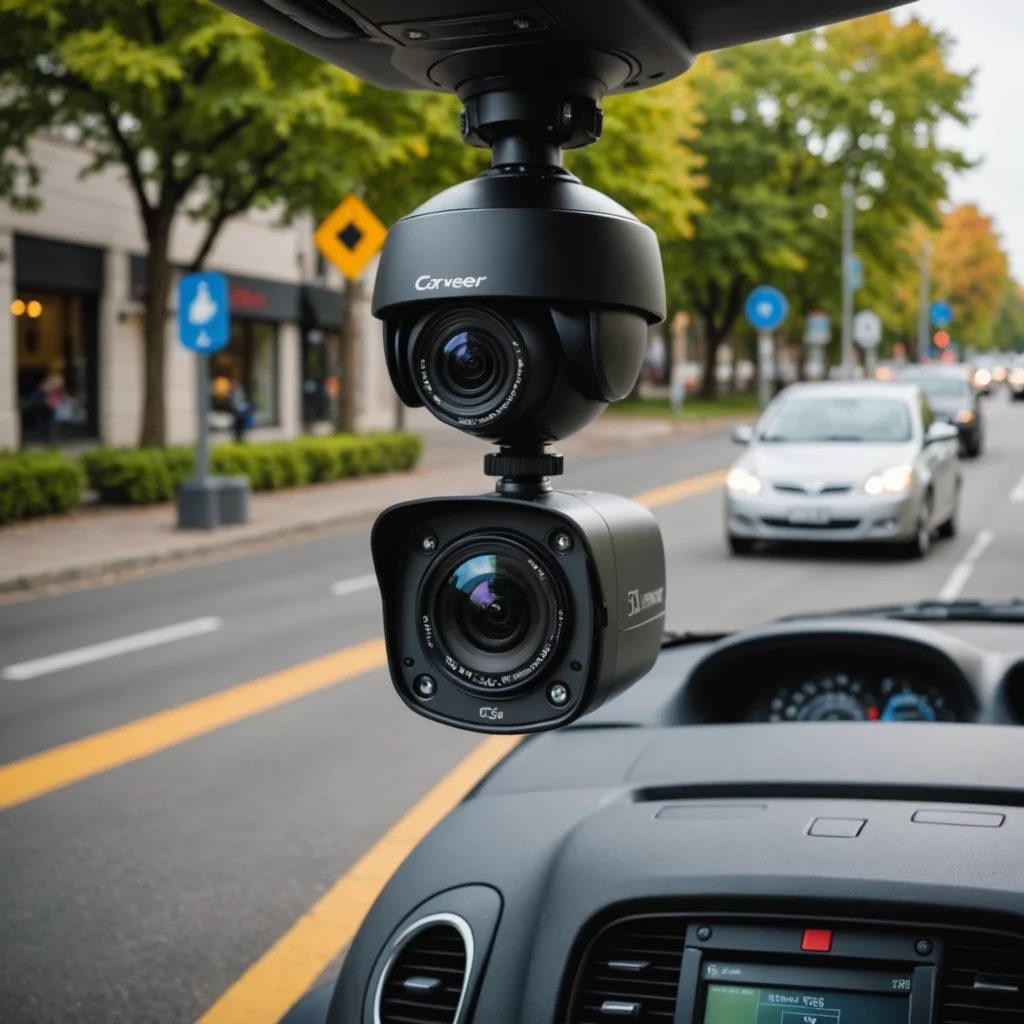

Ethernet outdoor cameras provide a dependable way to monitor entrances, driveways, perimeters, commercial properties, and other exterior areas. Unlike wireless cameras, they send video through a physical network connection, which can provide more consistent bandwidth and fewer interruptions. Many models also support Power over Ethernet (PoE), allowing a single cable to carry both network data and electrical power. If you use outdoor PoE systems, consider PoE covert models for discreet surveillance in harsh environments.
This combination of wired connectivity, centralized recording, and flexible camera designs makes Ethernet surveillance suitable for homes, businesses, construction sites, and remote properties. A successful installation depends on choosing equipment for outdoor conditions, planning the network carefully, and respecting privacy requirements.
How Ethernet outdoor cameras work
An Ethernet outdoor camera is generally an IP camera that connects to a wired local network using an Ethernet cable. Video can then be sent to a network video recorder (NVR), monitoring software, a compatible storage system, or a cloud service. Depending on the equipment, users may be able to view live footage remotely, record continuously, or save motion-triggered clips.
With PoE, the network cable supplies power as well as data. This removes the need to install a separate electrical outlet beside every camera and can simplify placement in areas where power is difficult to reach. A PoE switch or injector is typically used to provide power to compatible cameras.
Why choose PoE for outdoor surveillance?
- One cable for power and data: Fewer cables can make installation cleaner and reduce the number of outdoor power connections.
- Stable connectivity: A wired link is not affected by ordinary Wi-Fi signal weakness or wireless interference.
- Centralized management: Multiple cameras can connect to one network and record to a shared NVR.
- Suitable for high-quality video: Reliable bandwidth is useful when cameras need to transmit detailed footage.
- Flexible placement: Cameras can be installed where running a separate power circuit would be inconvenient.
PoE does not eliminate the need for planning. Ethernet cable has practical distance limits, and larger systems must account for the total power budget of the PoE switch. For longer cable runs, an extender, intermediate network equipment, or a local power solution may be necessary.
Choosing the right camera design
Bullet and turret cameras
Bullet cameras are often used when a visible camera and a clearly defined viewing direction are useful. Turret cameras offer a compact design with adjustable positioning and are commonly installed beneath eaves or on exterior walls.
Dome cameras
Dome-style housings can provide a more discreet appearance and may offer additional protection against tampering, depending on the model. They are often suitable for entrances, covered walkways, and commercial premises.
Discreet or concealed designs
Some Ethernet cameras are designed to blend into fixtures or surrounding structures. These may be considered for specific security situations, but concealment should never be treated as a way to avoid legal or ethical responsibilities. Camera placement must still respect privacy, notification, and recording laws.
When comparing models, consider resolution, lens angle, night-vision or low-light performance, motion detection, and storage compatibility. Outdoor equipment should also have a housing rated for exposure to water and dust, such as an appropriate IP rating, along with a temperature range suitable for the installation location. For discreet perimeter coverage, Ethernet outdoor systems can complement cámaras pequeñas cableadas in entrances and narrow exterior spaces.
Installation practices for reliable outdoor performance
- Use Ethernet cable rated for outdoor use, especially where the cable is exposed to moisture, sunlight, or temperature changes.
- Protect cable entries with weatherproof glands, junction boxes, or connectors designed for exterior installations.
- Route cables where they are less vulnerable to accidental damage, tampering, and standing water.
- Plan the camera’s field of view before drilling, and check for glare, obstructions, and changing daylight conditions.
- Consider surge protection and suitable grounding practices, particularly for equipment mounted outside or on exposed structures.
- Keep the camera within the practical Ethernet distance, or plan for an extender or additional network equipment when necessary.
After installation, configure the camera on a protected network. A separate VLAN for surveillance devices can help isolate camera traffic from other systems. DHCP reservations or carefully managed static addresses can also make cameras easier to find and maintain. Use strong, unique passwords, secure remote-access methods, and current firmware supported by the equipment.
Recording and system design
A local NVR is useful when an installation needs centralized recording and convenient access to footage from several cameras. Cloud storage can provide off-site access and may preserve important clips if the local recorder is damaged or stolen. Some systems combine local recording with cloud backup for selected events.
Storage requirements depend on the number of cameras, video resolution, frame rate, compression settings, and whether recording is continuous or motion-triggered. Decide how long footage should be retained before selecting the recorder and storage capacity.
Privacy and responsible use
Outdoor surveillance can affect neighbors, visitors, employees, and passersby. Avoid aiming cameras into private areas such as bedrooms, bathrooms, or neighboring homes. Audio recording may be subject to stricter rules than video, and signage or other notification may be required in some situations.
Before using a concealed camera, confirm the applicable local requirements and document the legitimate security purpose for the installation. Limit access to recorded footage, protect accounts from unauthorized users, and establish a sensible retention period rather than keeping recordings indefinitely.
Maintaining an Ethernet outdoor camera system
Inspect cameras periodically for dirt, water intrusion, loose fittings, damaged cables, and deteriorating seals. Clean lenses carefully, confirm that night views remain clear, and test recording and remote access. Regular firmware and password maintenance also helps reduce security risks.
When properly selected and installed, Ethernet outdoor cameras offer stable connectivity, centralized management, and dependable coverage. PoE can simplify deployment, but weather protection, network security, maintenance, and privacy compliance are equally important to a responsible long-term system.