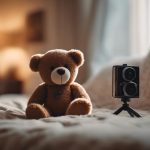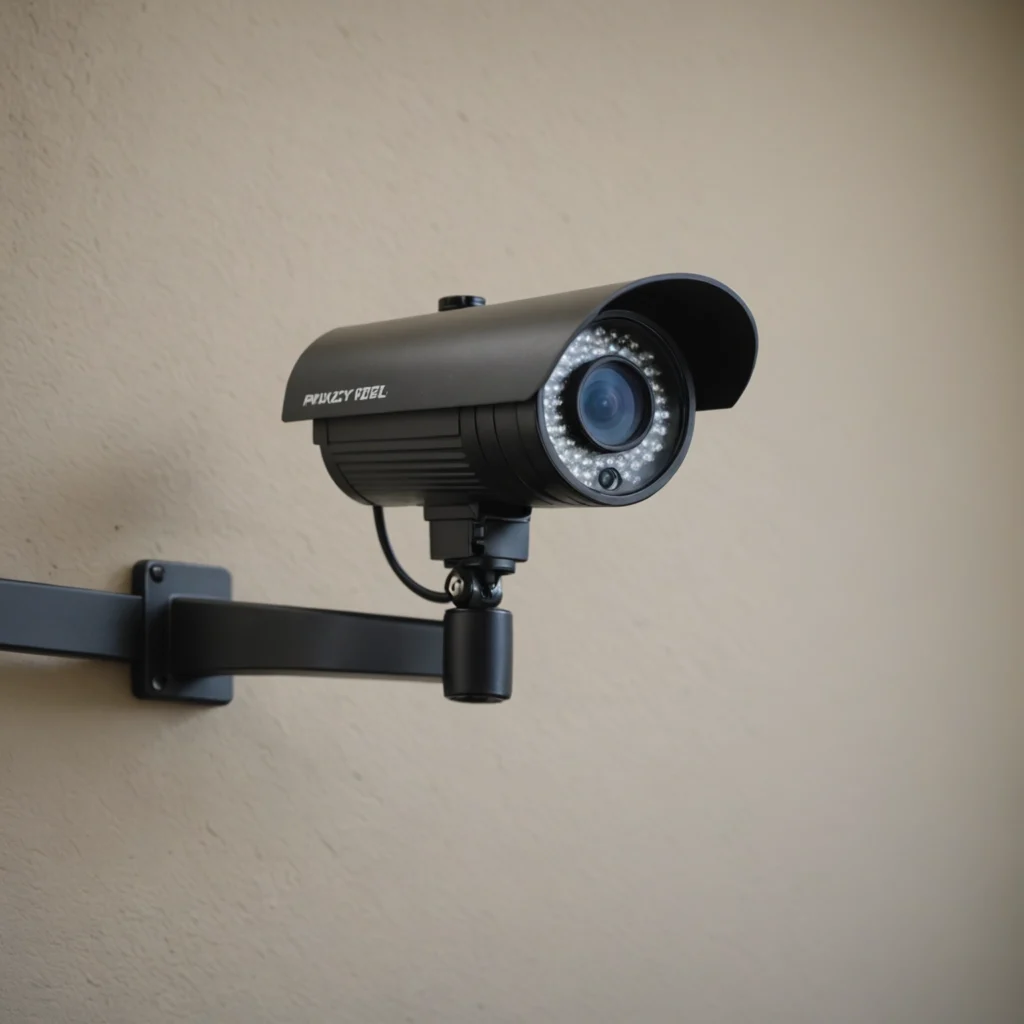

Bedroom surveillance requires more care than monitoring a living room, entryway, or other shared space. A bedroom is usually considered highly private, and recording people there without their knowledge may be unlawful or deeply unethical. Before considering any bedroom hidden camera idea, define the safety concern, identify who may be recorded, and determine whether a visible camera or another monitoring method would solve the problem with less intrusion.
Start with the purpose of the camera
A legitimate purpose does not automatically make covert recording acceptable. Parents may need to check on a sleeping child, caregivers may want to monitor an elderly person’s wellbeing, and pet owners may be curious about an animal’s nighttime behavior. In each case, consider whether a standard baby monitor, visible indoor camera, door sensor, motion detector, or scheduled check-in would be more appropriate.
If other adults use the room, discuss the plan with them before installation. Roommates, partners, guests, tenants, household workers, and contractors may have a reasonable expectation of privacy. A hidden camera should never be used to secretly record intimate activity, changing, sleeping, or personal conversations.
Camera types to consider
For lawful and agreed monitoring, the camera’s features matter more than its ability to disappear. Common options include:
- Visible Wi-Fi cameras: These can provide remote viewing, motion notifications, and sometimes cloud recording, but they depend on a reliable internet connection and secure account settings.
- Local-storage cameras: Models that record to a memory card can work without cloud storage. Protect the card and create a secure backup when footage must be retained.
- Battery-powered cameras: These are easier to position but require regular charging. Motion-activated recording may extend operating time, although it can miss events or create unwanted recordings.
- Low-light or night-vision cameras: These may be useful for checking a dark room, but test the image beforehand and avoid aiming the camera at areas that do not need monitoring.
- Pan-and-tilt cameras: Remote movement can increase coverage, but it also makes privacy boundaries harder to control. Disable the feature or use privacy zones where possible.
Placement and privacy boundaries
Place a camera only where every affected person has agreed to monitoring and where the view is limited to the stated purpose. For example, a camera intended to check whether a child is safe should not also record a bathroom doorway, a neighboring room, or an area where someone changes clothes.
A visible device on a shelf or dresser is generally easier to explain and less likely to create a misleading sense of security. Keep the lens unobstructed, but do not point it toward windows, mirrors, or adjacent private areas unless that view is essential and permitted. In shared housing or rented accommodation, obtain any required permission from occupants, the property owner, or the leaseholder before installing equipment.
Power, storage, and security
Technical planning is part of responsible surveillance. A camera that is difficult to charge or maintain may stop working when it is needed. Check whether the device requires continuous power, how long its battery lasts, and whether recordings are stored locally or uploaded to a service.
Protect the system as carefully as the room itself. Use a unique, strong password, enable account security features when available, update the device software, and restrict access to people who genuinely need it. Avoid leaving recordings accessible through an unsecured phone, shared account, or exposed memory card. Decide in advance how long footage will be kept, then delete it when that period ends.
Legal and ethical considerations
Surveillance laws vary by location and may depend on consent, the relationship between the people recorded, the type of recording, and whether audio is captured. Audio can create additional legal concerns. Recording in bedrooms, bathrooms, changing areas, or other intimate spaces is especially sensitive and may be prohibited even when the property belongs to the person installing the camera.
Do not assume that being a homeowner, parent, spouse, or landlord grants unlimited permission to record. If the situation involves a dispute, employee, tenant, caregiver, or vulnerable adult, obtain qualified local legal advice before installing a device. This article cannot determine what is lawful in a particular jurisdiction.
A responsible installation checklist
- Write down the specific safety or property-protection purpose.
- Choose the least intrusive device that meets that purpose.
- Tell affected adults and obtain consent where required.
- Exclude bathrooms, changing areas, and unrelated private spaces.
- Disable audio or unnecessary features if they are not needed.
- Set a limited retention period and secure all stored footage.
- Test the camera’s field of view, alerts, power supply, and privacy settings.
The best bedroom monitoring setup is not necessarily the smallest or most concealed. It is the one that addresses a clearly defined need while respecting consent, privacy, security, and local law. When a visible camera or non-recording sensor can do the job, it is usually the more transparent and responsible choice.