
Men searching for “spy cam” products may be looking for a compact camera for personal safety, property monitoring, professional documentation, or hands-free recording. The right choice depends less on appearance than on where the camera will be used, how long it must operate, and whether remote access or discreet placement is genuinely necessary.
This guide compares common small-camera formats, explains the features that matter most, and outlines the privacy, legal, and security responsibilities that come with recording people or private spaces.
Common types of compact spy cameras
Small cameras are available in several designs. Each format involves trade-offs between portability, concealment, battery life, recording quality, and ease of use.
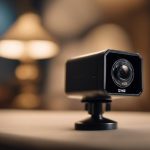
- Mini standalone cameras: Small battery-powered units generally record to internal storage or a microSD card. They can suit temporary monitoring or portable documentation.
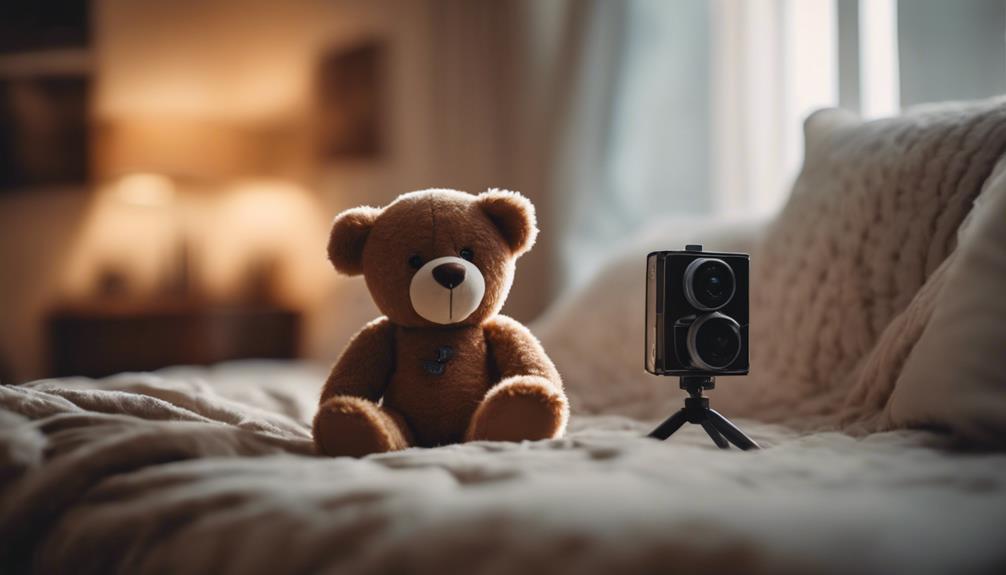
- Object-style cameras: Some cameras are integrated into ordinary-looking items such as clocks or USB chargers. Their suitability depends on lawful, disclosed use and the design of the room being monitored.
- Wearable cameras: Body-worn, keychain, or clothing-mounted models support hands-free recording for field work, outdoor activities, professional documentation, or personal safety.
- Wi-Fi mini cameras: These connect to a smartphone app for live viewing, alerts, or remote checks. They require a dependable network and careful account security.
- Motion-activated cameras: Recording begins when movement is detected, which can reduce unnecessary files and conserve battery and storage.
Features worth comparing
Video quality and low-light performance
Resolution affects how clearly a recording shows faces, objects, or activity. Higher resolutions such as 1080p or 4K may provide more detail, but they can also consume more storage and power. A wide-angle lens can cover more of a room, while a narrower view may be preferable when a specific area must be documented.
Night vision is useful in dark environments, but infrared illumination may be visible depending on the camera and its placement. Check sample footage when possible rather than relying only on resolution claims.
Power and recording time
Battery-operated cameras are convenient for short-term or mobile use, but their operating time depends on recording settings, wireless activity, motion detection, and battery capacity. A plug-in camera is generally more practical for extended stationary monitoring. Consider how easily the device can be recharged or how its power supply will be managed without creating a safety hazard.
Connectivity and storage
A Wi-Fi camera may provide live streaming, alerts, and cloud backup, while an offline model usually stores footage locally. Local storage can reduce dependence on an internet connection, but the memory card must be checked and protected. Look for timestamp controls, loop recording, reliable file transfer, and encryption for stored or transmitted footage.
Any camera connected to the internet should use a strong, unique account password. Enable two-factor authentication when available, secure the home network, and install firmware updates from the manufacturer.
Matching a camera to a legitimate use
For home security, a small camera may help document an entryway or check a property remotely. A plug-in model can be more dependable than a tiny battery device for continuous indoor monitoring. Motion alerts can reduce the amount of footage that needs to be reviewed.
Wearable cameras may be useful for professionals who need hands-free documentation, including field workers, delivery personnel, investigators operating within applicable rules, or people recording outdoor activities. A secure mount, accessible controls, and adequate battery life are usually more important than making the device as small as possible.
Families considering caregiver or nanny monitoring should understand local requirements and provide any notices or consent that the law requires. Cameras may also be used for consensual recordings, property-condition documentation, wildlife observation, or studio time-lapse work. In every case, choose a position that captures only the area necessary for the stated purpose.
Installation and maintenance
Before using a camera, confirm that the lens has a clear view and that recordings are actually being saved. Test motion sensitivity, audio settings, time stamps, alerts, and low-light performance. Wearable units should be checked for a secure attachment so they do not fall or record unintentionally.
For longer deployments, review available storage regularly and create backups where appropriate. Keep the device manual, account details, and serial number in a secure place. Avoid placing cameras where heat, moisture, exposed cables, or unstable mounting could create a risk.
Privacy, legal, and ethical boundaries
Recording laws vary by location, particularly when audio is captured. Covertly recording people in private settings without permission may be unlawful and can lead to civil or criminal consequences. Additional rules may apply to employees, tenants, guests, children, caregivers, and shared workplaces.
Use compact cameras only for legitimate purposes such as safety, property protection, consensual recording, or professional documentation. Do not use them for voyeurism, harassment, or monitoring areas where people reasonably expect privacy. When in doubt, obtain clear consent and seek advice based on the laws that apply where the camera will be used.
Making the right choice
The best spy camera for men—or for any user—is the one whose form, power source, storage, connectivity, and recording quality fit a lawful purpose. Prioritise dependable operation and data protection over novelty or extreme concealment. Responsible placement, clear policies, and respect for privacy are just as important as the camera’s technical specifications.