
The phrase secret camera sexy may appear in searches or product marketing, but it is not a technical description of a camera. In most cases, it refers to a small, discreet, or stylish device designed to blend into its surroundings. The important question is not how unobtrusive a camera looks, but whether its use is lawful, necessary, and respectful of the people being recorded. If Secret Camera Sexy interests you, review covert device types to learn legal and practical differences.
This guide explains common covert-capable camera designs, practical features to compare, and the privacy principles that should govern any installation. The same information is useful whether you are researching home security equipment, professional video tools, or general categories of specific spy camera types.
What the phrase means in product searches
Expressions such as “secret camera sexy” or “sexy hidden camera” are generally marketing or search language rather than established product categories. They may be used to describe compact housings, minimalist designs, or cameras concealed inside ordinary-looking objects. A product’s appearance does not make its use acceptable, however. Recording people in private settings without their knowledge can cause serious harm and may violate privacy or recording laws.
Common types of discreet cameras
Small cameras are available in several formats. Their suitability depends on the setting, the purpose of recording, and the permissions obtained beforehand.
- Pinhole cameras: These use a very small lens and are often built into compact housings. They may be selected when a low-profile installation is needed for a legitimate security or production purpose.
- Button or wearable cameras: Body-mounted and clothing-mounted devices can record a first-person view for approved professional, documentary, or training work.
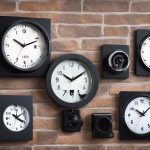
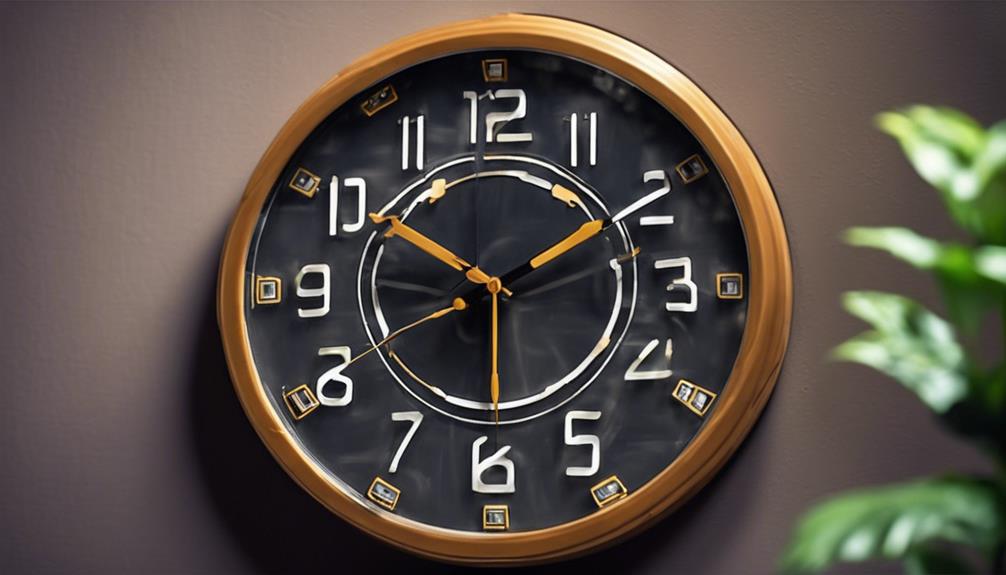
- Clock and smoke-detector-style cameras: These are designed to resemble familiar household or office objects. Their discreet appearance makes clear disclosure and careful placement especially important.
- USB charger-style cameras: Some compact devices are designed to look like charging accessories. They should never be placed where people reasonably expect personal privacy.
- Wi-Fi cameras: Network-connected models may support remote viewing, alerts, or cloud storage. These features also create additional account and data-security responsibilities.
Legitimate applications
Discreet cameras can have appropriate uses when everyone affected understands the arrangement and local requirements are followed. A homeowner might use a compact camera to monitor an entrance, observe a delivery area, or check on a pet. A business may use visible or compact cameras in public-facing areas for security and safety, subject to applicable rules and workplace policies.
Care-related monitoring requires particular caution. If a camera is intended to help protect an older adult or another vulnerable person, informed consent should be obtained whenever possible. Family members, support workers, visitors, and other people who may be recorded should also be considered. In professional filmmaking, journalism, or investigative work, low-profile equipment should be used only within a clear editorial, legal, and ethical framework. For broader outdoor monitoring, explore discreet driveway surveillance options alongside your interest in secret camera setups.
Features worth comparing
Once the intended use is clear, compare equipment based on function rather than appearance. Important considerations include:
- Image quality: Resolution, lens coverage, and performance in low light affect whether footage is useful.
- Power: Battery life, charging requirements, and the option for continuous power determine how practical the installation will be.
- Storage: Local memory cards and online storage have different implications for access, retention, and data protection.
- Connectivity: Wired connections and wireless features affect installation, remote access, and security.
- Motion detection: Event-based recording can reduce unnecessary footage and make reviews more manageable.
- Security support: Look for clear information about account protection, software updates, encryption claims, and how recorded data is handled.
Privacy, consent, and responsible placement
Privacy rules vary by jurisdiction, and audio recording may be subject to different requirements from video recording. Before installing any camera, check the rules that apply to the location and purpose. Avoid bedrooms, bathrooms, changing areas, and other spaces where people have a strong expectation of privacy. Do not use a discreet device to obtain intimate images, monitor someone secretly, or bypass another person’s consent.
For ordinary security needs, visible cameras, signs, alarms, door sensors, and motion detectors may provide protection with less intrusion. If discreet monitoring is genuinely necessary, limit the field of view, record only what is needed, restrict access to footage, establish a deletion schedule, and tell affected people whenever disclosure is legally and practically appropriate.
Choosing a responsible approach
Research into secret camera designs should begin with the purpose of the recording, not with concealment. Select the least intrusive option that can meet that purpose, document who has approved the setup, and review whether the camera remains necessary over time. Marketing terms such as “secret camera sexy” may draw attention to style, but lawful consent, secure handling, and respect for personal privacy are the standards that matter most.