
Finding worthwhile hidden camera deals is less about choosing the lowest price and more about matching the equipment to a lawful, clearly defined purpose. Discreet cameras may be used for security checks, monitoring shared areas, or protecting property, but they can also create serious privacy and legal problems when installed or used carelessly. Before comparing models, decide what you need to monitor, where recording may take place, how footage will be stored, and who should be informed. Browse hidden camera deals to compare covert device categories and pick the right discreet model.
Choose the right camera format
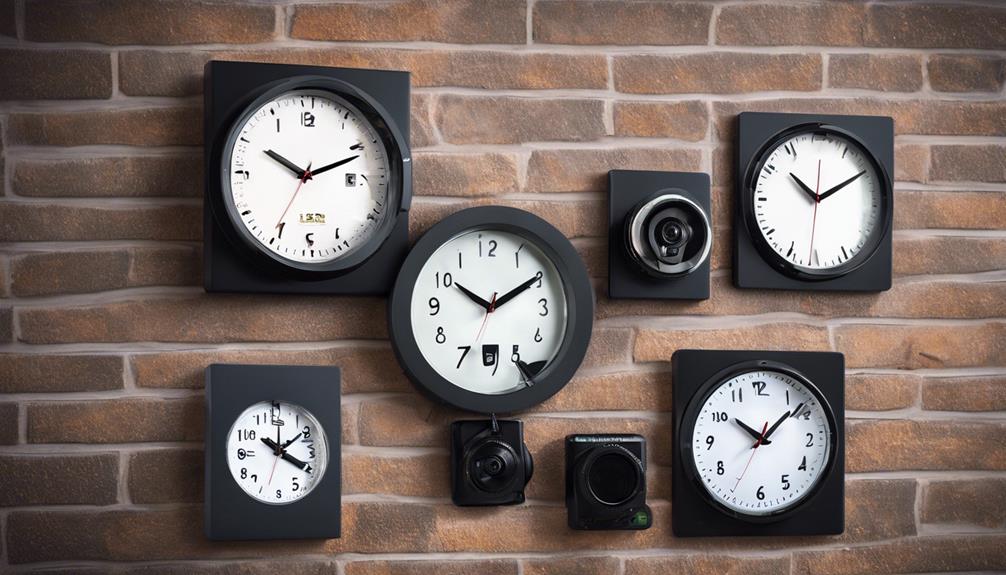
Different designs suit different environments. A clock-style or alarm-clock camera may blend into a furnished room and can be convenient when continuous power is available. USB-powered devices and cameras built into other everyday objects are generally better suited to fixed indoor locations than to portable use.
Compact battery-powered cameras are easier to reposition, but their operating time is limited and they may require frequent charging. Wi-Fi or IP models can provide remote viewing, motion alerts, and access through a mobile app. These features are useful when you need to check a permitted area while away, although they also make network and account security especially important.
For outdoor monitoring, look for equipment specifically designed for outdoor conditions rather than relying on concealment alone. Weather exposure, temperature, available power, and wireless signal strength can all affect performance.
Features that deserve close attention
A low advertised price does not necessarily represent good value. Compare the complete specification and the likely cost of running the camera over time. Important points include:
- Video quality: Higher resolution can make details easier to identify, but it uses more storage and may require greater network bandwidth.
- Low-light performance: Night vision or another low-light mode matters if the monitored area is not consistently well lit.
- Motion detection: Adjustable sensitivity and activity zones can reduce unnecessary recordings and notifications.
- Storage: Check whether the camera accepts a memory card, supports local recording, or requires a cloud subscription.
- Power: Battery operation offers flexibility, while mains or USB power is usually more practical for extended monitoring.
- Connectivity: Confirm compatibility with your Wi-Fi network and mobile devices before purchasing.
- Security: Look for account protection, secure connections, firmware support, and a clear process for changing default passwords.
Also check whether audio recording can be disabled. Audio surveillance is subject to different rules in many places and may present greater legal risk than video alone.
Compare the full cost of a deal
Some offers include only the camera, while others add a memory card, power adapter, mounting equipment, or access to recording software. A model that appears inexpensive may require a continuing cloud fee or an accessory that is essential for normal use. Read the warranty, return policy, subscription terms, and delivery conditions before placing an order. Compare driveway monitoring options alongside hidden camera deals to improve coverage around your home.
Open-box or refurbished equipment can reduce the purchase price when it comes from a reputable seller with a meaningful warranty. Reviews may help identify recurring problems, but give more weight to detailed feedback about reliability, app performance, setup, and customer support than to vague promotional ratings.
Use cases that require extra care
Discreet monitoring may be appropriate for a defined security purpose in an area where people do not have a strong expectation of privacy. Examples can include checking an entrance, documenting unauthorized access to property, or monitoring a shared room when everyone who may be recorded has been properly informed.
Private spaces such as bathrooms, bedrooms, and changing areas should never be treated as ordinary surveillance locations. Monitoring tenants, employees, caregivers, visitors, or children can involve additional privacy, employment, housing, or safeguarding obligations. When the goal is wellbeing rather than security, an openly discussed camera or a non-recording check-in system may be a more respectful alternative.
Review legal and ethical responsibilities first
Surveillance rules vary by country, state, and situation. Requirements may address consent, audio recording, notice, data retention, and where cameras may be placed. A property owner’s control of a building does not automatically remove other people’s privacy rights. Before buying or installing equipment, review the rules that apply to your location and seek qualified legal advice if the situation is uncertain.
Use the least intrusive setup that meets the legitimate security need. Tell affected people about recording where required—or where transparency is the responsible choice—and restrict access to footage. Store recordings securely, avoid sharing them unnecessarily, and delete them when they are no longer needed.
Questions to ask before buying
- Is the intended location lawful and appropriate for recording?
- Do I need continuous recording, motion clips, or occasional live viewing?
- Will the camera have reliable power and network coverage?
- What happens if the internet connection or cloud service fails?
- Are storage, subscriptions, updates, and accessories included in the real cost?
- Does the seller provide adequate support, warranty coverage, and a return option?
The best hidden camera deal is one that provides dependable performance without compromising privacy, security, or legal compliance. Compare the complete package, select the least intrusive option that solves the problem, and treat responsible use as an essential feature rather than an afterthought.