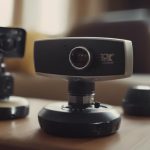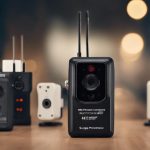

Hidden camera shoes combine ordinary footwear with a compact recording system concealed in the heel, tongue, sole, or another part of the upper. They belong to a niche group of wearable camera devices designed for mobile, discreet recording. Although the technology can be useful for safety documentation or authorised professional work, it also creates significant privacy and legal responsibilities.
How hidden camera shoes work
A shoe-mounted camera generally contains four basic elements: a small image sensor, a power source, a way to store or transmit recordings, and controls for starting or stopping the device. Depending on the design, footage may be saved to internal storage or a removable microSD card. Some models can connect to a smartphone through a wireless connection for configuration, monitoring, or file transfer.
The camera lens is usually positioned behind a small opening in the shoe’s stitching, heel, trim, or another decorative feature. A rechargeable battery is commonly built into the sole or heel. Controls may consist of a discreet button, a remote control, or an accompanying mobile application. Before relying on any model, users should test how the controls work without looking at the shoe and confirm that recording is clearly indicated to the operator.
Camera placement and recording quality
Placement has a major effect on the resulting footage. A lens near the toe can provide a different perspective from one installed in the heel or on the side of the upper. The angle may also change as the wearer walks, sits, or climbs stairs, so a camera that appears suitable in a product demonstration may not capture the intended view in everyday use.
Resolution and frame rate affect how clearly movement and details appear. Some devices provide basic video quality, while others offer higher-resolution recording. Higher resolution can make footage easier to inspect, but it may also consume more storage space and battery power. Audio should be treated separately: recording conversations can be subject to stricter rules than recording video, even when the device is used in a public setting.
Appropriate uses
Hidden camera shoes may be considered for situations where a wearable camera is appropriate, authorised, and safer than carrying a conventional camera. Potential legitimate uses include:
- Documenting a personal safety incident where recording is lawful.
- Supporting authorised investigative, journalistic, or professional work.
- Recording events in public environments when local rules permit it.
- Providing a mobile alternative when a stationary camera would not be practical.
These devices should not be used to record intimate activity, private conversations, or people in spaces where they reasonably expect privacy. They are also inappropriate for harassment, stalking, or secretly collecting personal information. A visible camera, written permission, or another transparent recording method may be a better choice when discreet operation is not essential.
Legal and ethical responsibilities
Recording laws vary by location and may distinguish between public and private spaces, video and audio, and personal use and professional use. Before using a camera shoe, check the rules that apply where the recording will take place. Permission may be required from everyone being recorded, particularly for conversations or activity inside private premises.
Users should also consider how recordings will be stored, shared, and deleted. Avoid collecting more footage than necessary, protect files with appropriate access controls, and do not publish or distribute recordings without a lawful and defensible reason. Organisations should have written policies covering authorisation, retention, access, and handling of evidence.
What to look for when choosing a pair
The right model depends on the intended, lawful use rather than on concealment alone. Consider the following features:
- Camera angle: Check what the lens can actually see while walking, standing, and sitting.
- Battery life: Confirm the expected recording time and charging method. Start-and-stop recording can help conserve power.
- Storage: Find out whether the device uses internal memory or a removable card and how files are transferred.
- Connectivity: If phone control or live viewing is important, assess the stability of the wireless connection and the quality of the companion app.
- Comfort: The shoe should provide adequate cushioning and support for the period it will be worn.
- Durability: Look for protection against normal movement, light moisture, and everyday impact, while checking the manufacturer’s limitations.
- Support: A warranty, clear instructions, and accessible service are especially valuable because footwear-integrated electronics can be difficult to repair.
Setup and maintenance
Charge the shoe camera fully, install storage if required, pair it with the relevant control device, and perform a test recording before using it for an important task. Review the footage to confirm the framing, sound settings, timestamp, and storage capacity. Keep the lens opening clean and inspect the shoe regularly for damage, loose seams, or signs that moisture may have reached the electronics.
If recording stops unexpectedly, check the battery, available storage, control settings, and phone permissions. Wireless connections may be unreliable in some environments, so do not assume that live monitoring is available unless it has been tested. When a fault persists, consult the manufacturer rather than attempting to dismantle the shoe.
Final considerations
Hidden camera shoes are a specialised wearable-camera format, not a substitute for careful planning or clear legal permission. Comfort, camera position, battery performance, and dependable storage all matter, but responsible use matters most. Choose a more visible recording method whenever it can accomplish the same purpose, and use covert recording only when it is lawful, necessary, and respectful of other people’s privacy.