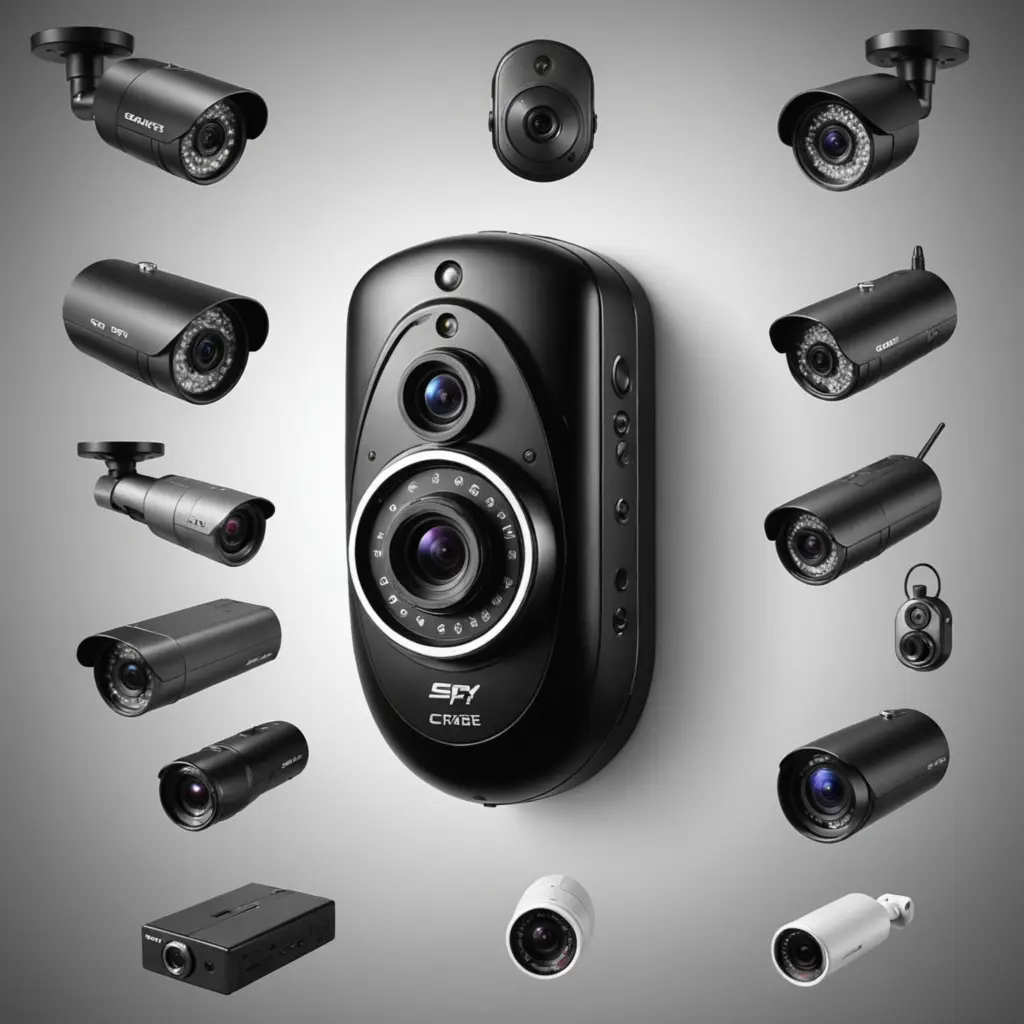

A Wi-Fi smoke detector camera is designed to resemble a ceiling-mounted smoke alarm while incorporating a camera and wireless networking hardware. Its discreet appearance can make it useful for monitoring appropriate shared areas, but the form factor also creates important safety, privacy, and legal questions.
Before buying one, decide whether you need a security camera that only uses a smoke-detector style housing or a genuinely certified smoke alarm with an integrated camera. These are not necessarily the same thing. A surveillance device should never be treated as a replacement for a properly certified life-safety alarm unless its smoke-detection function and approvals have been independently verified.
What is a Wi-Fi smoke detector camera?
These devices generally combine a small camera, an image sensor, a Wi-Fi module, and—in some models—a microphone. The housing is shaped to look like a conventional smoke detector and may include vents or indicator lights that help it blend into a ceiling installation.
Depending on the model, video may be viewed through a mobile app or computer and stored on a memory card or a cloud service. Available features can include motion detection, night vision, push notifications, and two-way audio. Features vary considerably, so product descriptions should be checked carefully rather than assumed from the device’s appearance.
Common features to compare
The right specifications depend on what you need to monitor and how the device will be used. Important points to review include:
- Video quality: Check the stated resolution and whether the lens provides a suitable viewing angle for the room.
- Low-light performance: Night vision may help in dim conditions, but its practical range can vary.
- Connectivity: A stable Wi-Fi signal is essential for live viewing, notifications, and remote access.
- Storage: Determine whether recordings use local storage, cloud storage, or both, and review any associated fees or limits.
- Motion alerts: Adjustable sensitivity can reduce unnecessary notifications in busy areas.
- Audio: If a microphone or two-way communication is included, remember that audio recording may be subject to stricter laws than video.
- Power: Models may use batteries, rechargeable power, standard wiring, or a hardwired electrical connection.
- Security controls: Look for account protection, encrypted connections, firmware updates, and a clear process for changing default passwords.
Placement and installation
Ceiling placement can provide a broad view of a shared room and may be less visually distracting than a conventional camera. However, the device should be installed only where monitoring is lawful and appropriate. It should not block, replace, or interfere with a certified smoke alarm.
Test the Wi-Fi signal at the intended mounting position before completing installation. A weak connection can cause delayed alerts, interrupted video, or failed remote access. Also consider glare, strong backlighting, furniture that may obstruct the lens, and whether the camera’s view captures areas that should remain private.
If the unit claims to detect smoke or heat, confirm the relevant safety certification and read the manufacturer’s instructions. A camera housed in a smoke-alarm-shaped case is not automatically a compliant fire detector. Maintaining separate certified alarms may be the safer approach when the camera’s safety credentials are unclear.
Appropriate uses and privacy boundaries
A camera in this form factor may be considered for shared areas such as an entrance, office, or common room, provided that everyone who may be recorded is informed when required. It may also help with general household awareness, but discreet placement should not be used to defeat a person’s reasonable expectation of privacy.
Do not place hidden cameras in bathrooms, changing areas, bedrooms used by others, or other private spaces. Recording tenants, guests, employees, carers, or household members without proper notice may violate privacy, employment, housing, or recording laws. Audio can create additional legal risk because consent requirements differ between jurisdictions.
How to choose responsibly
Start with the monitoring purpose, then decide whether you need video only or a certified alarm as well. Compare image quality, storage, Wi-Fi reliability, power requirements, app security, and update support. Treat claims about smoke detection as a separate safety decision, not simply another camera feature.
Finally, establish clear rules for access to recordings, retention, and disclosure. Use a strong unique password, limit account permissions, install available security updates, and avoid sharing footage unnecessarily. Used transparently and lawfully, a Wi-Fi smoke detector camera can provide discreet coverage in suitable shared spaces without compromising fire safety or personal privacy.