
A candle hidden camera is designed to resemble a decorative candle while containing a small camera and recording system. Unlike a conventional security camera, it can blend into a room’s furnishings and attract less attention. These devices may be used for legitimate security or safety purposes, but their discreet design also makes privacy, consent, and secure handling especially important.
What is a candle hidden camera?
Most candle cameras use a faux-wax, flameless, pillar, or votive-style enclosure. A miniature lens is positioned behind a small opening, darkened window, or decorative feature. Depending on the model, the internal components may include a rechargeable battery, memory card slot, wireless connection, microphone, motion sensor, and LED that imitates a candle flame.
Available features vary considerably. Some devices record only when motion is detected, while others support continuous recording or loop recording, which replaces older files when storage is full. Certain models may provide remote viewing through a mobile application. Video quality, low-light performance, battery life, storage options, and wireless reliability should be checked carefully rather than assumed from the product’s appearance.
Potential uses in homes and small businesses
A candle-style camera may suit situations where a traditional camera would be visually distracting. Possible legitimate uses include monitoring a home entrance, observing a common living area, checking on pets, or reviewing activity around a small shop’s shelves or checkout area.
- Home security: A camera in a shared area can help document unauthorized entry or property damage.
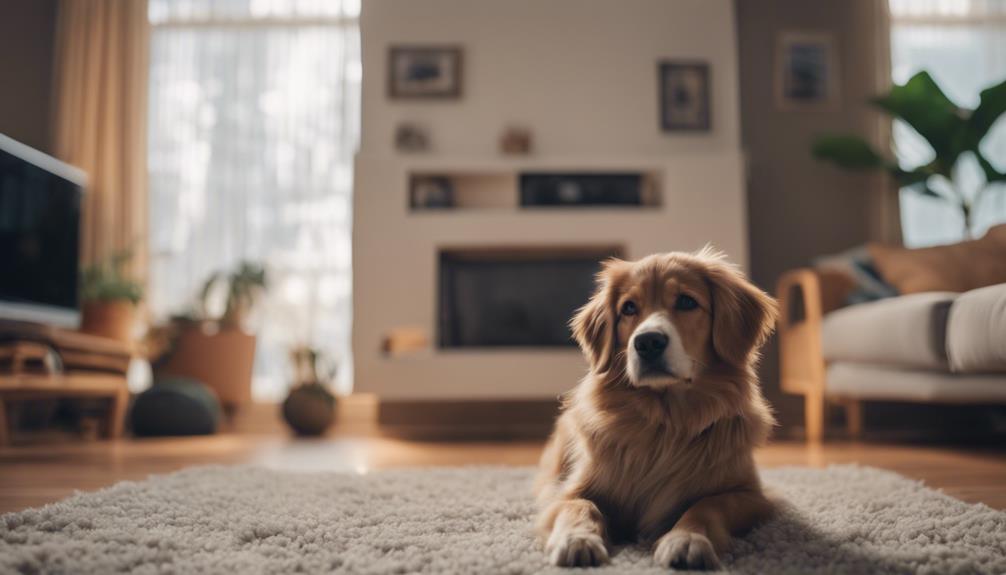
- Pet and household monitoring: Motion alerts or remote viewing may help owners check on animals or a property while away.
- Small business security: A decorative unit may be used in an open, non-private area where surveillance is lawful and appropriately disclosed.
- Temporary monitoring: A battery-powered model can be moved between suitable locations when a short-term security need exists.
Do not use a hidden camera in bedrooms, bathrooms, changing areas, or any other place where people reasonably expect privacy. Short-term rental hosts and business owners should also check applicable laws, contracts, and platform rules before installing any recording device.
Privacy, consent, and audio recording
Surveillance laws differ by location. Rules may address where cameras can be placed, whether people must be notified, how recordings may be stored, and when audio recording is permitted. Audio can create additional legal concerns because conversations may be protected even when video monitoring of a common area is allowed.
Before using a candle camera, research the requirements in the relevant jurisdiction and obtain appropriate consent or provide clear notice where required. Limit monitoring to a defined security purpose, avoid recording more space than necessary, and restrict access to authorized people. Recording someone secretly for voyeuristic, retaliatory, or otherwise improper purposes is not an acceptable use of this technology.
Features to compare before buying
Choose specifications based on the area being monitored rather than the device’s concealed appearance alone. Useful points to compare include:
- Image quality: Higher resolution can make recorded details easier to review, but it may also require more storage.
- Field of view: Confirm that the lens can cover the intended area without pointing into private spaces.
- Motion detection: Adjustable sensitivity can reduce alerts caused by pets, changing light, or moving curtains.
- Power: Battery operation improves portability, while USB or mains power may be more suitable for extended monitoring.
- Storage: Check whether recordings use internal memory, a microSD card, or a cloud service, and review any storage limits.
- Connectivity: If remote access is important, verify wireless range and the quality of the associated app.
- Audio controls: If the device includes a microphone or speaker, determine whether those functions can be disabled.
Safe installation and maintenance
Place the device on a stable, level surface where the lens is unobstructed. Aim it only at the area needed for the stated security purpose. Test the viewing angle, motion alerts, recording settings, and wireless connection before relying on the camera. Avoid positioning it near heat sources or using it as a real flame candle; many candle-style cameras are decorative electronic products and are not designed to withstand heat or wax.
Change default passwords immediately and use a strong, unique password for the camera account. Keep the device and its mobile application updated when updates are available, and secure the wireless network used for remote access. Store recordings safely, delete footage that is no longer needed, and avoid sharing clips through unsecured accounts or devices.
Regularly check the battery, storage capacity, lens window, and recording function. Dust or decorative material can affect image quality, while a depleted battery or full memory card can leave important footage unavailable.
Final considerations
A candle hidden camera can provide low-profile monitoring in an appropriate shared space, but concealment should never take priority over privacy or lawful use. Define the security need first, select a device with suitable technical features, disclose surveillance when required, and protect any recordings it creates. Used carefully, a candle-style camera can complement a broader security plan without turning private spaces into areas of unwanted observation.