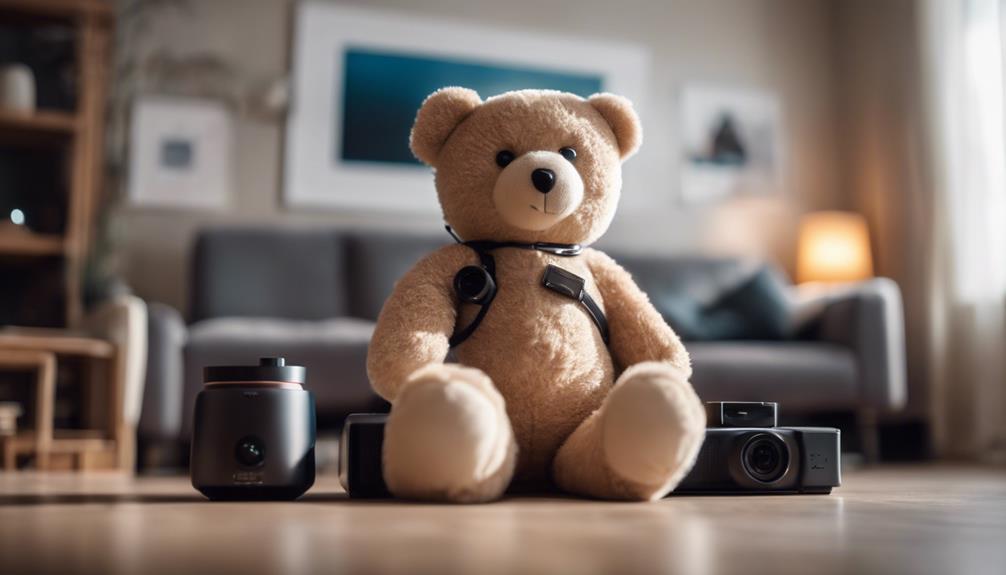

A screw camera spy is a miniature camera designed to resemble an ordinary screw or fastener. Its compact housing can make it less visually prominent than a conventional security camera, which is why these devices are sometimes considered for discreet monitoring of entrances, rooms, fixtures, or business areas. However, a concealed camera should never be treated as a way to bypass people’s privacy. Before installation, consider both the practical requirements and the laws that apply where the device will be used.
What is a screw camera?
A screw-style camera places a small lens behind a housing that looks like a screw head or similar fitting. Depending on the design, the unit may record to internal storage or a microSD card, connect to a wireless network, or operate from a built-in battery. Some models also include a microphone, motion detection, infrared or low-light recording, and an app for viewing footage.
The visible screw-like portion is usually only the camera housing. The electronics may be positioned behind the mounting surface, inside a fixture, or within a small attached module. Installation requirements therefore vary considerably between products. A device intended to replace a trim screw may have different power and mounting needs from one designed to be integrated into a light fitting or wall panel.
Features to compare
When evaluating a screw hidden camera, focus on the features that affect useful, lawful monitoring rather than appearance alone.
- Video quality: Higher resolution can make details easier to recognize, but image quality also depends on lighting, lens quality, and compression.
- Field of view: A wider lens covers more space, while a narrower view may provide greater detail in a specific area.
- Power source: Battery models are easier to position but require charging. Wired or externally powered models may be better for fixed, continuous operation when installed safely.
- Storage: Local memory can allow recording without an internet connection. Cloud storage may provide remote access but requires attention to account security, costs, and data handling.
- Connectivity: Wi-Fi features can support live viewing and notifications, but the device and its companion app should be protected with strong, unique credentials.
- Audio: A built-in microphone or two-way communication can create additional legal and privacy obligations. Do not assume that recording sound is permitted simply because video recording is allowed.
- Low-light performance: Night vision or infrared capability may help in dim conditions, although it does not guarantee clear identification in complete darkness.
Appropriate uses and placement
In an appropriate setting, a screw-style camera may provide coverage of an entrance, storage area, or other location where a small, fixed device is useful. It can also be considered for monitoring property that the owner controls, provided people who may be recorded are given any notice or consent required by local rules.
Choose a position with a clear view and avoid aiming the camera toward areas where people reasonably expect privacy. Do not place cameras in bathrooms, bedrooms, changing areas, or similar private spaces. Avoid capturing neighboring property, public areas, or shared spaces beyond what is necessary for the stated security purpose.
Before permanently mounting the device, test the angle, lighting, and network connection. Strong sunlight, reflective surfaces, doors, and furniture can reduce the usefulness of the footage. Battery-powered units should be positioned so they can be serviced without unsafe access or damage to the fixture. If the camera is replacing a structural or electrical fastener, follow the manufacturer’s instructions and use a qualified professional where wiring or building safety is involved.
Privacy, consent, and legal responsibilities
Concealed monitoring laws differ by country, state, and locality. Video recording may be subject to different rules from audio recording, and workplaces or shared homes may have additional notice requirements. Some areas require the consent of one or more participants before conversations can be recorded; others impose stricter limits on recording altogether.
Use visible notice or obtain informed consent when required, and establish a clear reason for collecting footage. Limit access to authorized people, use secure passwords, update the device and app when updates are available, and retain recordings only as long as there is a legitimate need. If you are unsure whether a proposed placement is lawful, consult the relevant local authority or a qualified legal professional before installing the camera.
Making a responsible choice
A screw camera spy may be suitable when a compact, fixed camera is needed for a clearly defined and lawful security purpose. Compare power, storage, image quality, viewing angle, connectivity, and audio capabilities before buying. Most importantly, treat discreet design as a mounting feature—not permission to record people secretly. Careful placement, clear policies, strong device security, and respect for privacy are essential to using this type of camera responsibly.