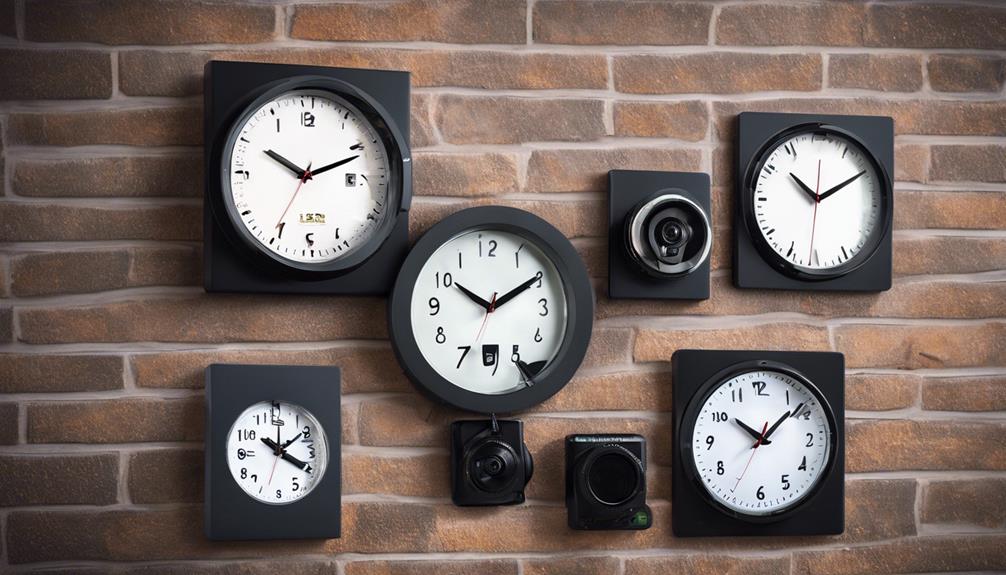

Magnetic cameras offer a convenient way to monitor a space without committing to a permanent installation. Their built-in magnet or magnetic mounting base can attach to suitable metal surfaces, while compact designs make them easy to reposition when needs change. Depending on the model, a magnetic camera may run on a rechargeable battery, USB power, or a fixed power connection, and may provide wireless viewing through Wi-Fi or another radio connection. magnetic mounting models illustrate how various covert camera types conceal themselves and attach to metal surfaces.
These cameras can be useful for home security, temporary monitoring, vehicle use, and selected commercial applications. However, discreet placement should never come at the expense of privacy or compliance with local recording laws.
How magnetic cameras work
A magnetic camera combines a small camera module with a magnet, magnetic base, or removable mounting plate. The magnet is designed to hold the unit against ferrous metal, such as certain door frames, shelving, beams, vehicle surfaces, or metal fixtures. The camera can then be removed, adjusted, or relocated without drilling holes.
Some models transmit video wirelessly for live viewing, notifications, or remote access. Others store recordings locally, often using removable storage where supported. Power arrangements vary:
- Battery-powered cameras: Portable and simple to position, but they require charging and may need settings such as motion activation to conserve power.
- USB-powered models: Suitable when a nearby power source is available and more consistent operation is needed.
- Hardwired cameras: Better suited to long-term installations, although they are less flexible to move.
Features commonly associated with this category include motion detection, night vision, app connectivity, and live viewing. The usefulness of each feature depends on the environment, lighting, network quality, and available power.
Where magnetic cameras can be useful
At home, a magnetic camera can be positioned near an entrance, inside a garage, or in another appropriate area where monitoring is needed. The temporary mounting method is also practical for checking deliveries, watching an unoccupied room, or monitoring a storage area.
For outdoor use, choose a model specifically intended for exterior conditions. Depending on the design and mounting surface, it may be suitable for observing a driveway, shed, gate, fence, or area beneath an eave. Outdoor placement exposes the camera to moisture, dust, wind, and temperature changes, so an indoor-only model should not be treated as weather-resistant.
Magnetic cameras can also be useful in vehicles or for temporary workplace monitoring. A removable unit may be convenient when a camera is needed only during certain journeys, deliveries, events, or operational periods. In every setting, make sure recording is appropriate and that people are not filmed in areas where they reasonably expect privacy. magnetic pet monitoring offers flexible placement, making it easier to watch animals from rooms where standard mounts cannot.
What to consider before buying
Power and recording time
Battery life is one of the most important considerations for a portable camera. Occasional motion-triggered recording generally places different demands on a battery than continuous recording or frequent live viewing. If the camera must operate for long periods without attention, investigate whether the model supports a suitable external power source or local recording option.
Image quality and low-light performance
Choose a resolution appropriate for the detail you need to capture. Resolution alone does not determine image quality: lighting, lens coverage, positioning, and image processing also matter. Night vision can help in dark conditions, but test or review the expected coverage rather than assuming it will illuminate every part of a scene.
Wireless connection and storage
Wireless features are useful only when the camera can maintain a reliable connection from its intended position. A weak signal may cause delayed alerts, interrupted live video, or problems accessing recordings. Consider whether footage is saved locally, backed up online, or both, and review how recordings can be retrieved if the camera is moved or damaged.
Indoor or outdoor construction
For exterior installations, look for an explicit outdoor-use designation and an IP rating describing resistance to dust and moisture. The magnetic mount should also be strong enough for the selected surface and conditions. Wind, vibration, and an uneven mounting point can cause a camera to shift or fall even when the magnet initially feels secure.
Placement and installation tips
- Choose a stable metal surface with a clear, useful view of the area being monitored.
- Check the camera angle before relying on it; a wide view can help with coverage but may reduce visible detail at a distance.
- Test wireless signal strength at the final position, not only beside the router.
- For battery models, enable motion-based recording when appropriate and establish a routine for checking charge levels.
- Use a manufacturer-approved metal plate when mounting to a nonmetal surface, and confirm that any adhesive is suitable for that material.
- Secure or protect the camera from accidental knocks, vibration, and unauthorized removal.
Privacy and legal responsibilities
Recording rules vary by location and may treat video and audio differently. Before installing a magnetic camera, check the laws that apply to your situation. Avoid private areas such as bathrooms and bedrooms unless there is a clear, lawful, and properly informed reason. In workplaces, rental properties, and shared spaces, notice, consent, policies, or signage may be required.
A magnetic camera is most effective when its mounting flexibility supports a legitimate monitoring purpose. Match the camera to the environment, plan for power and storage, verify the connection, and respect the privacy of everyone who may be recorded.