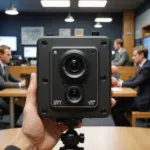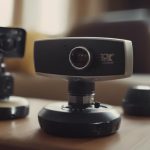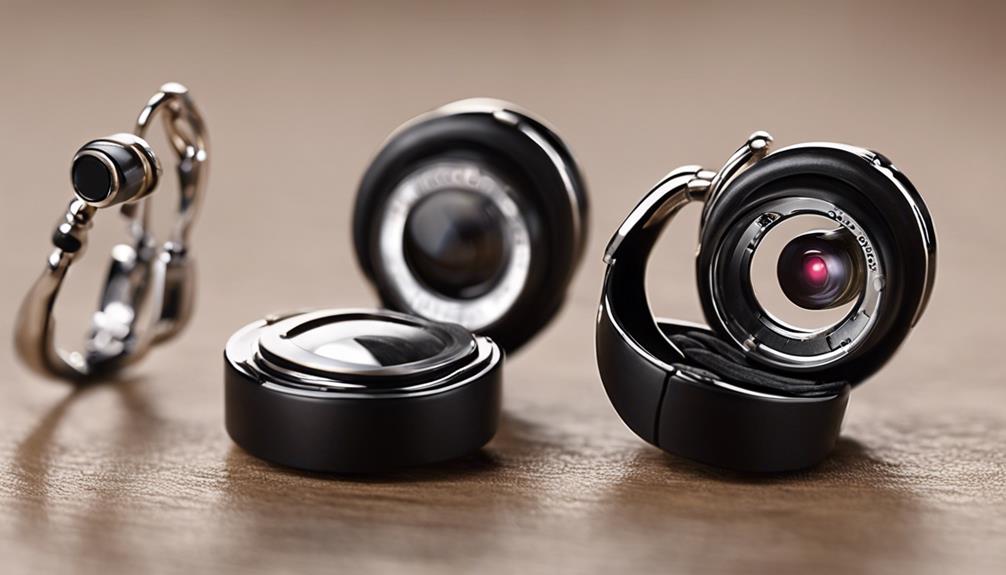

A smoke detector camera is a surveillance camera built into, or disguised as, a smoke-alarm-style housing. Because these devices are designed to resemble ordinary ceiling fixtures, they can be difficult to notice at a glance. Depending on the model, a smoke detector camera may record locally, stream video over Wi-Fi, detect motion, or include audio features. Compare detector model options with the pillar covering specific covert device types for informed concealment choices.
These devices raise two separate questions: how they function and whether their use is appropriate or lawful. Anyone considering one should understand its limitations, respect privacy, and verify applicable recording laws before installation.
What is a smoke detector camera?
A smoke detector camera uses the familiar circular shape of a fire detector to conceal a small camera module. Some products are simply camera housings styled to look like alarms, while others combine a camera with features commonly found in security systems.
Depending on the design, features may include:
- Motion-activated recording and alerts
- Wi-Fi live viewing through a phone or computer
- Local recording to a memory card
- Infrared or low-light video
- Microphones or two-way audio
- Battery, wired, or other fixed-power operation
Not every disguised unit is a functioning smoke alarm. A camera hidden inside a smoke-detector-style case should never be treated as a substitute for a properly tested fire-safety device.
How these cameras are designed
Most smoke detector cameras use a white, low-profile enclosure intended to blend with a ceiling. The lens may be positioned behind a small opening, dark insert, vent, or central feature. Tiny microphone openings, status lights, seams, or unusual plastic panels may also be visible on closer inspection.
Power and storage arrangements vary. Battery-powered models can be easier to install but may require regular charging. Wired units can operate for longer periods but may need professional installation. Wireless models may transmit footage to a local network or an online service, while others save recordings to removable storage.
Potential legitimate uses
There are situations in which a camera may support safety or security goals, such as monitoring an entryway, checking activity in a storage area, or confirming the well-being of a family member. A camera can also help document an incident when its placement and use comply with local law and the people being recorded have the notice or consent required in that location. For broader property coverage, explore wired outdoor monitoring alongside the discreet perspective offered by a smoke detector camera.
For many households and workplaces, a visible security camera is the better option. It communicates that recording is taking place, can discourage unwanted behavior, and avoids the heightened privacy concerns associated with a concealed device.
How to inspect a suspicious smoke detector
If you are concerned that a smoke detector may contain a camera, begin with a visual inspection. Look for a tiny lens, a pinhole that appears different from the surrounding vents, unusual seams, or components that do not match the design of other detectors in the building. A flashlight may reveal a reflective lens surface, although this method is not conclusive.
Other checks can include:
- Comparing the unit with the manufacturer’s model and installation guide
- Checking nearby Wi-Fi or Bluetooth devices for unfamiliar equipment
- Using an appropriate radio-frequency detector to identify wireless transmissions
- Reviewing visible wiring, batteries, or mounting hardware when you have permission to do so
These methods can produce false positives and may not detect a camera that records only to internal storage. If you suspect unlawful surveillance, avoid damaging the device. Photograph its position, note relevant details, and consider contacting the property owner, building management, local authorities, or a qualified security professional.
Features to compare
When evaluating a smoke-detector-style camera for a lawful purpose, consider more than headline video resolution. Field of view, low-light performance, motion-detection reliability, storage options, battery life, and network security can have a greater effect on practical usefulness.
Audio deserves particular attention. A model with a microphone or two-way communication may be subject to stricter consent rules than one that records video only. Also review how the device protects account credentials and transmitted footage, especially if recordings are available through an app or cloud service.
Privacy, consent, and safety
Recording laws differ by jurisdiction, and audio surveillance may be regulated differently from video. Bathrooms, bedrooms, changing areas, and other places where people reasonably expect privacy are especially inappropriate locations for concealed cameras. Homes, rental properties, workplaces, and childcare settings can also involve specific notice or consent requirements.
Before using any smoke detector camera, confirm the rules that apply where the device will operate. If the goal is safety rather than secrecy, use a visible camera, provide clear notice when required, and install only equipment that does not compromise genuine fire protection.