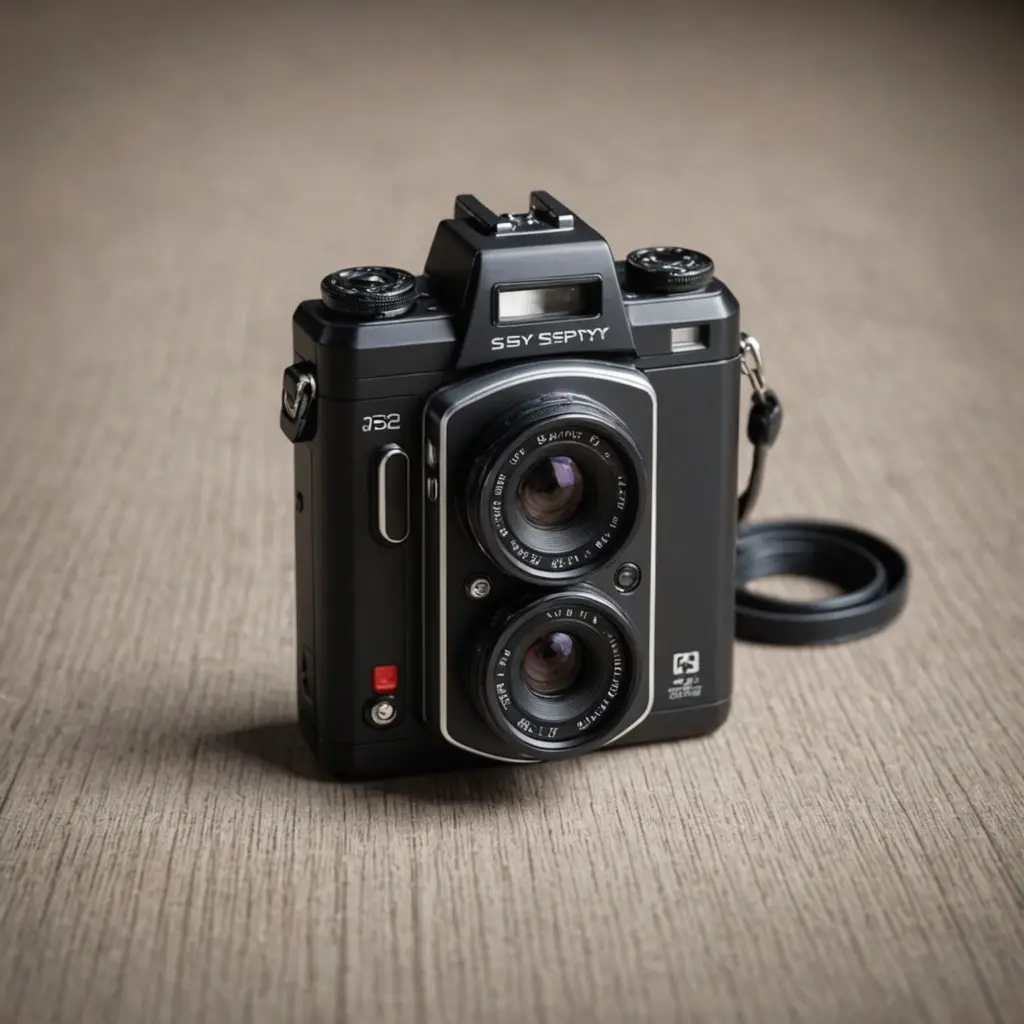

Small vintage cameras occupy a fascinating place in photographic history. Their compact bodies, mechanical controls, and unusual concealment methods reflect a time when careful engineering was essential for portable and discreet photography. Some were associated with intelligence work and private investigation, while others appealed to photographers who valued miniature design and practical portability. Examining vintage compact models from small vintage camera collections helps identify early covert recording designs.
Today, these cameras interest collectors, filmmakers, historians, and hands-on photography enthusiasts. They can be displayed as historical objects, restored as mechanical curiosities, or used with care when the correct film and processing options are available. Their appeal is not limited to espionage: it also comes from their distinctive construction and the tactile experience of operating a camera without digital automation.
Why compact cameras mattered
During the mid-20th century, a camera’s physical size could determine how and where it could be used. A small body was easier to carry, store, or operate discreetly than a full-sized camera. Designers therefore concentrated on reducing the size of the camera, film system, viewfinder, and controls while retaining enough functionality to make photography practical.
Some miniature cameras were built around specialized film formats or small cartridges. Others used adapted film and produced smaller frames than conventional cameras. Features such as collapsible viewfinders, compact lenses, quiet or delayed shutters, and subdued finishes supported discreet operation. Even with these design advantages, successful use depended heavily on the operator’s ability to judge lighting, framing, distance, and timing.
Common types of small vintage cameras
Subminiature cameras
Subminiature cameras were designed to be significantly smaller than ordinary 35mm models. Minox-style cameras are among the best-known examples of this approach and are closely associated with concealed photography. Their narrow bodies, precision construction, and specialized film cartridges made them especially distinctive to collectors.
Other miniature cameras were produced in different shapes and formats. Some used purpose-made cassettes, while others relied on modified or reduced-size film. Because formats and loading methods vary, identifying the correct film system is an important part of assessing whether a camera can be used or should remain a display piece.
Disguised and concealed cameras
Another category consists of cameras concealed inside objects such as cigarette cases, lighters, or other everyday items. These designs demonstrate how manufacturers adapted familiar forms to hide photographic equipment in plain sight. Their unusual construction makes them particularly interesting to historians and collectors, although authenticity and working condition can be difficult to establish.
What to examine when collecting
A small vintage camera should be assessed as both a historical object and a mechanical device. Before buying one, examine its condition, markings, serial numbers, accessories, and any available documentation. Original cases, film containers, manuals, and specialized attachments can help establish how the camera was intended to function and may add value to a collection. Readers comparing vintage cameras may also explore modern room monitoring options for understanding contemporary bedroom IP camera features.
- Inspect the body for dents, corrosion, cracks, and signs of heavy modification.
- Check whether the shutter operates and whether the film advance moves correctly.
- Examine the lens for haze, scratches, fungus, or separation.
- Look closely at light seals, leatherette, hinges, covers, and small control parts.
- Confirm whether the required film, cartridge, or cassette is available before planning to use the camera.
Listings may describe these objects with terms such as “camera retro” or “cámara vintage,” particularly in design-focused or Spanish-language markets. Such labels are not proof of authenticity or working condition. Ask whether the camera has been tested, and treat vague descriptions carefully. A nonworking example can still be valuable as a display or restoration project, but it should not be presented as ready for photography.
Restoration and practical use
Restoring a miniature camera often requires patience and specialist knowledge. Common work may include cleaning the optics, replacing deteriorated light seals, renewing coverings, and servicing the winding or shutter mechanisms. Because small parts can be difficult to source, avoid forcing controls or attempting repairs without understanding the camera’s construction.
When a camera is restored sufficiently for use, begin with realistic expectations. Small formats, old lenses, limited exposure controls, and aging mechanics may produce results that differ greatly from modern photography. That limitation is part of the appeal for some users: the photographs can express the materials and constraints of the period rather than the consistency of contemporary digital equipment.
Filmmakers may use these cameras as historically appropriate props, while museums and private collections can use them to explain the development of portable and surveillance-related photography. Displaying original accessories and documentation can make a collection more informative than presenting the camera alone.
Legal and ethical responsibilities
Owning or restoring a vintage camera is different from using it to photograph people without their knowledge. Privacy and surveillance laws vary by location, and the age or disguise of a camera does not remove those obligations. Avoid photographing people in circumstances where consent is required, and check local rules before using a concealed camera for filming, reenactments, installations, or security-related projects.
Small vintage cameras are best appreciated as examples of inventive design, photographic history, and mechanical craftsmanship. Whether displayed, restored, or used carefully with film, they offer a tangible connection to an era when compact engineering solved problems that modern electronics now handle in very different ways.