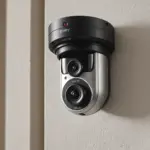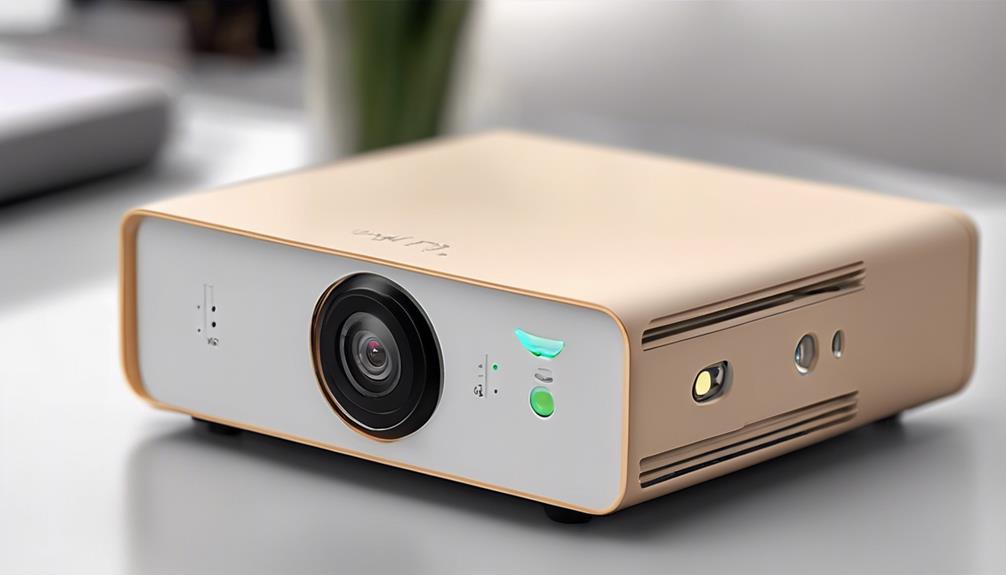

A door knob hidden camera is a compact surveillance device designed to resemble ordinary door hardware. The camera may be built into the knob, collar, or surrounding plate, allowing it to monitor an entryway without the appearance of a conventional security camera. Used lawfully and with appropriate disclosure, this type of device can help document visitors, deliveries, and access to a property.
What is a door knob hidden camera?
These cameras are designed to fit into or around a door knob while keeping the lens unobtrusive. Depending on the model, the device may replace existing hardware or attach near the knob. A typical unit contains a small lens, internal electronics, a battery or other power source, and either local storage or a wireless connection.
Many models use motion-activated recording rather than recording continuously. This can reduce unnecessary footage and conserve battery power. Other features may include live viewing through an app, two-way audio, night recording, or cloud backup. The compact design is useful for discreet placement, but it also limits the space available for the lens, battery, and other components.
Where an entryway camera can be useful
The most suitable location for this type of camera is an entrance or another area where people reasonably expect security monitoring, subject to local law and any required notice. Potential uses include:
- Checking who approached a front, rear, or side entrance.
- Documenting deliveries and unexpected visitors.
- Monitoring access to a restricted room or building entrance.
- Reviewing activity around a small business or property entrance.
- Observing access to a shared entryway when occupants have been properly informed.
In a rental or workplace setting, the owner or manager should establish a clear monitoring policy. A hidden device should never be treated as a way to bypass privacy protections or conceal surveillance in areas where people expect privacy.
Advantages and limitations
Potential advantages
- Low visual profile: The camera blends with existing door hardware and may be less noticeable than a wall-mounted unit.
- Useful viewing position: When aimed correctly, it can capture people approaching the doorway from a relatively direct angle.
- Simple installation: Some models require only basic tools and can be moved more easily than fixed security equipment.
- Flexible recording: Motion detection, local memory, and wireless access may be available depending on the design.
Important limitations
- The small lens may produce less detail than a larger, visible security camera.
- Low-light performance can vary, particularly when the housing limits the lens or infrared components.
- A poor mounting angle may record the floor, door frame, or only part of a visitor.
- Continuous recording can use substantial battery power and storage capacity.
- Audio may be unclear, and recording sound can create additional legal concerns.
Legal and privacy considerations
Before installing any hidden camera, check the laws that apply to the property and recording activity. Rules differ by location, especially regarding audio, consent, workplace monitoring, rental properties, and the use of footage involving visitors or tenants.
Never place a camera in a bedroom, bathroom, changing area, or another space where people have a reasonable expectation of privacy. Even an entrance camera can create problems if it captures private areas beyond the intended field of view. Where appropriate, provide notice or signage and explain who can access recordings, how long footage is retained, and why it is collected. If recordings may be needed as evidence, consult a qualified local attorney or law enforcement agency about lawful collection and handling.
How to choose and install one
Start by deciding whether the priority is image detail, battery life, remote access, or local control of recordings. A model with motion activation may be better for occasional entryway activity, while a continuously powered option may suit locations that require more consistent coverage. Local microSD storage keeps footage on the device, whereas cloud storage can provide an off-site copy but may involve account and privacy considerations.
Install the camera so faces are visible as people approach, rather than pointing downward at the threshold. Test it during daylight and at night, check the full field of view, and confirm that nearby lighting does not create glare. Change any default password, use a strong unique login, and keep the device software updated when updates are available.
Maintenance and responsible operation
Check the battery or power connection regularly, clean the lens, and review motion settings to reduce missed events and unnecessary alerts. Store important recordings securely and limit access to people who genuinely need it. If the camera is used in a managed property, keep a written policy covering its location, purpose, retention period, and authorized users.
A door knob hidden camera can provide discreet entryway monitoring, but concealment does not remove the need for consent, security, and responsible handling of footage. The best installation is one that protects property while respecting the privacy and legal rights of everyone who may be recorded.