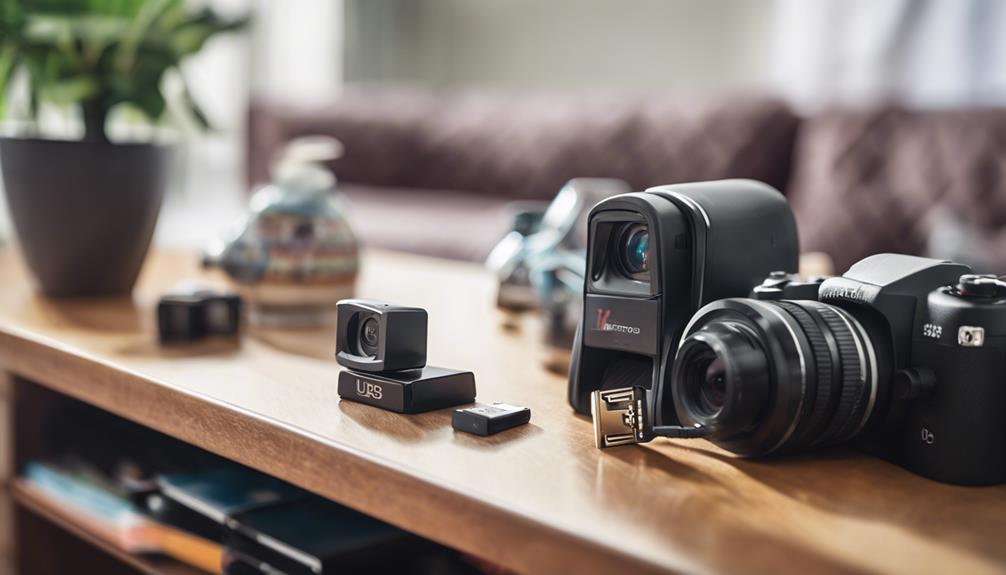

A mini retro camera keychain combines the appearance of a vintage camera with the basic functions of a small digital recorder. Its compact size and decorative design make it easy to carry, while built-in recording features give it more practical value than an ordinary novelty keychain.
These devices can be useful for short recordings, casual photography, travel notes, or documenting everyday situations when carrying a larger camera is inconvenient. However, their small size also means compromises in image quality, battery capacity, storage, and controls. Understanding those trade-offs is important before choosing one.
What Is a Mini Retro Camera Keychain?
A mini retro camera keychain is a compact digital camera housed in a shell designed to resemble a classic film camera. The exterior may include faux dials, textured surfaces, or other vintage-inspired details. A keychain loop or similar attachment point allows the device to be carried with keys, clipped to a bag, or stored in a pocket.
Inside, the device typically contains a small image sensor, a fixed-focus lens, simple control buttons, a rechargeable battery, and a memory-card slot. Depending on the model, it may capture video, still images, or both. The emphasis is generally on portability and convenience rather than professional photographic performance.
Common Features and Limitations
Feature sets vary, but a typical model may offer:
- Video recording at standard-definition or HD quality
- Still-image capture for quick snapshots
- A fixed-focus lens suited to short-range use
- Removable storage through a microSD card
- USB charging for the built-in rechargeable battery
- Basic buttons for starting, stopping, and changing modes
The retro housing is often the main attraction, but the camera should be judged on more than appearance. Small lenses and sensors usually provide less detail and weaker low-light performance than a smartphone or full-size camera. Audio quality may also be limited, particularly in busy environments. Battery life and recording time can vary, so the device is better suited to brief sessions than extended use without recharging.
Practical Uses
For everyday carry, the camera can provide a lightweight way to capture quick moments, notes, demonstrations, or personal memories. Travelers may appreciate having a separate recorder that takes up little space, while collectors and hobbyists may value the vintage styling as much as the camera functions.
The device can also serve as a backup recorder when a phone or larger camera is unavailable. For example, it may be useful for short clips involving pets, hobbies, crafts, or other activities where a compact camera is convenient. It should not be treated as a replacement for a dedicated security system or a high-quality photographic camera.
Setup and Everyday Operation
Before using the camera, charge its battery and insert a compatible microSD card if removable storage is required. Follow the device instructions for formatting the card and learn which buttons control video and still-image modes. Make a short test recording before relying on it so you can check framing, focus, audio pickup, and available storage.
Simple maintenance can help preserve the device:
- Clean the lens gently with a suitable soft cloth.
- Keep the camera away from moisture unless it is specifically designed for wet conditions.
- Back up recordings regularly instead of leaving important files on the card.
- Store it where the lens and controls will not be scratched or pressed accidentally.
- Check the battery before trips or other planned recording sessions.
Legal and Ethical Use
A camera designed to look like a keychain can be easy to overlook, which makes responsible use especially important. Recording laws differ by location and may treat video and audio differently. Privacy expectations also change depending on whether recording takes place in a public setting, a workplace, a home, or another private environment.
Do not use the device to record people in private situations without appropriate consent. Before capturing conversations or using the camera for monitoring, check the rules that apply in your area and obtain permission where required. Clear, lawful use is appropriate for personal documentation and agreed-upon recording; concealment should not be used to bypass another person’s privacy.
How to Choose One
Start with the way you expect to use the camera. If appearance and portability matter most, examine the construction, attachment point, controls, and overall durability. If recording quality is the priority, compare resolution, lens performance, and results in lower light rather than relying only on product descriptions.
Also consider battery capacity, supported storage, charging method, ease of transferring files, and the availability of clear instructions. Reviews can help identify problems such as unreliable buttons, poor battery performance, or inconsistent recording. A spare memory card and a small protective pouch may be useful additions.
Final Considerations
The mini retro camera keychain is best understood as a portable, novelty-style recorder with modest capabilities. Its appeal comes from the combination of vintage design, easy carrying, and basic video or photo capture. It can work well for short, casual recordings, but buyers should expect limitations compared with smartphones and dedicated cameras. Choosing a model that fits the intended use—and operating it with respect for privacy and local law—will make the device more useful and responsible to own.