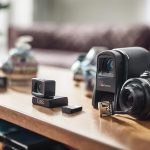

Spy gadgets can serve practical purposes when they are used lawfully and with respect for privacy. Homeowners may want discreet security monitoring, businesses may need to document incidents, and investigators may require compact equipment for legitimate work. The right device depends less on its “spy” label than on its recording quality, reliability, storage options, and suitability for the environment. From Spy Spy Gadgets, consult our stealthy purchase tips before choosing a covert recording device.
Before buying, define what you need to monitor, where the device will be used, how long it must operate, and who is legally permitted to view the recordings. These decisions will help you avoid novelty products that look convincing but perform poorly in real situations.
Start with the intended use
Different situations call for different types of surveillance equipment. A device suitable for checking an entrance may not be appropriate for monitoring a vehicle or documenting an investigation. Consider the following factors before comparing products:
- Location: Indoor, outdoor, mobile, and vehicle use each impose different size, durability, and power requirements.
- Recording time: Short visits may only require a small battery, while extended monitoring may call for continuous power or replaceable batteries.
- Lighting: Low-light performance matters in dim rooms, garages, and nighttime settings.
- Access: Decide whether you need local recording, remote viewing, or both.
- Discretion: A compact design may be useful, but concealment must not override consent and privacy obligations.
For general home security, a compact camera with motion detection and dependable storage may be enough. Mobile users might consider a small body-worn or vehicle-mounted camera. Professional investigators may place greater emphasis on image quality, battery management, secure file handling, and documentation.
Features worth comparing
Video and audio quality
Resolution is only one part of recording quality. Check how the camera performs in the lighting conditions where it will be used, whether motion produces blurred footage, and whether the lens captures a sufficiently wide view. Audio requires particular caution: recording private conversations may be restricted or prohibited without consent, even when video recording is permitted.
Power and storage
Review the stated battery life under realistic operating conditions rather than assuming the maximum figure will apply to continuous recording. Determine whether footage is saved to removable media, internal memory, a phone, or cloud storage. Secure storage and reliable file transfer are important when recordings may contain personal or sensitive information.
Connectivity and security
Some devices support live viewing through a mobile application, while others work entirely offline. Connected products should offer clear information about account security, encryption, software updates, and data retention. Avoid buying a device if the manufacturer provides little documentation about how recordings and user information are protected.
Real equipment versus novelty products
The market includes both functional surveillance tools and novelty spy gadgets designed mainly for entertainment. A product described as “professional,” “military grade,” or “undetectable” is not automatically better. Look for specific, verifiable specifications instead of dramatic marketing language. Check Spy Spy Gadgets for product ideas, then browse covert surveillance deals to outfit discreet monitoring.
Useful signs of a more dependable product include a clear manufacturer identity, complete operating instructions, realistic technical details, a warranty, accessible customer support, and a transparent return policy. Reviews can help identify recurring problems, but they should be considered alongside the published specifications. Extremely low prices paired with extraordinary claims deserve caution.
Buying from a trustworthy supplier
Whether you use an online spy store, a specialist dealer, or a local retailer, investigate the seller before placing an order. Confirm that the business explains the product’s capabilities and limitations, provides a way to request support, and states how returns are handled.
When shopping for hidden cameras online, pay attention to privacy and security information rather than focusing only on appearance. A specialist supplier may also sell detection equipment for locating hidden cameras or other surveillance devices. If you are considering a detector, check what it is designed to identify, such as radio-frequency transmissions, wired connections, or camera lenses. No detector should be treated as a guarantee that every hidden device will be found.
Legal and ethical responsibilities
Surveillance laws vary by jurisdiction and by the type of recording involved. Rules may address consent, audio interception, recording in private spaces, workplace monitoring, vehicle use, and the handling of personal data. Cameras should never be placed in areas where people reasonably expect privacy, such as bathrooms or private bedrooms, and accessing another person’s phone or accounts with spyware is not an acceptable use of surveillance equipment.
Before recording, check the rules that apply to your location and situation. If the equipment will be used for professional investigations, follow any relevant licensing, evidence-handling, and client instructions. When lawful and practical, inform people about monitoring and limit collection to what is genuinely needed.
Maintaining your equipment
Reliable operation depends on routine care. Clean the lens, test the device before important use, check battery health, update software through legitimate channels, and confirm that recordings are being saved correctly. Use secure passwords and restrict access to stored footage. For long-term deployments, consider power continuity, storage capacity, and a process for backing up or deleting recordings responsibly.
The best spy gadget is not necessarily the smallest or most expensive model. It is the device that matches the environment, provides dependable evidence or security monitoring, and can be used within the law. Compare practical specifications, choose a transparent supplier, and treat privacy as part of the purchase decision rather than an afterthought.