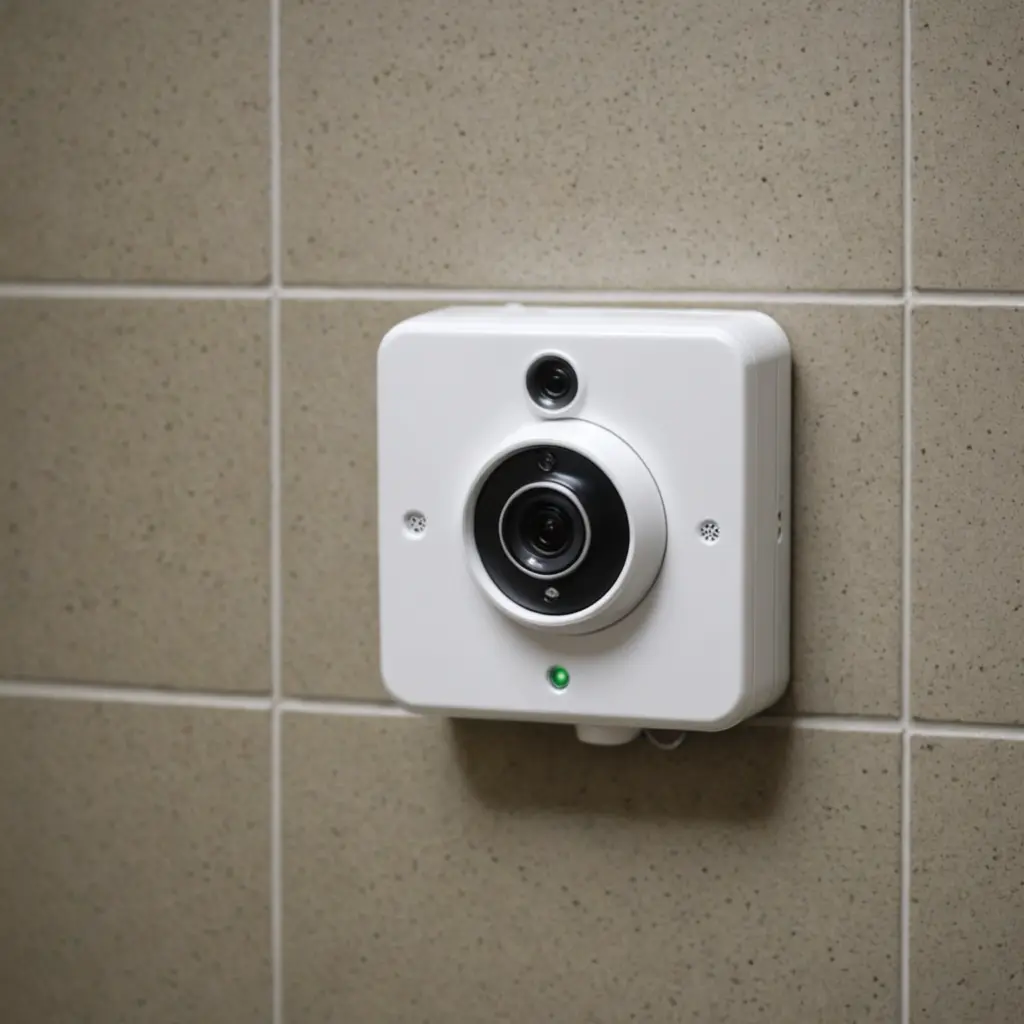

Hidden cameras, microphones, and other surveillance devices can be disguised as ordinary household or office items. A careful privacy check does not depend on one gadget alone. The most reliable approach combines a visual inspection with optical, radio-frequency, and network checks, while keeping the limits of each method in mind. Spy Detection improves when teams study covert device types and their typical concealment methods.
Where covert devices may be concealed
Small cameras and listening devices are often placed where they have a clear view or can capture sound without attracting attention. Possible hiding places include:
- Smoke detectors, alarm clocks, USB chargers, and other powered electronics
- Decorative objects, vents, shelves, and fixtures
- Mirrors and reflective surfaces
- Pens, buttons, and other objects used as body-worn or personal recording devices
- Vehicles, conference rooms, bedrooms, changing areas, and bathrooms
A concealed device may record locally or transmit information. Wireless cameras can use Wi-Fi or other radio signals, while some audio devices may transmit over radio frequencies or cellular networks. A powered camera that stores footage locally may not transmit anything at the time of inspection, making it harder to find with an RF scanner alone.
How spy detection tools work
Visual and optical inspection
The first step is a slow, methodical look around the space. Check for objects that seem out of place, unexplained openings, unusual wiring, or tiny glossy surfaces that could be camera lenses. Optical camera finders use bright LEDs or a similar light source to create a reflection from a lens. Looking through the detector while scanning likely locations can reveal a pinhole lens that is difficult to notice normally.
Optical tools can help identify cameras whether or not they are transmitting, but they require the lens to be visible from the inspection angle. Obstructions, poor lighting, and reflective clutter can make results difficult to interpret.
Radio-frequency scanning
RF detectors search for radio transmissions from devices such as wireless cameras, microphones, and other transmitters. A handheld anti-spy detector can be useful for a quick sweep of a hotel room, rental property, office, or vehicle. Move slowly and compare signal strength as you approach a suspected source.
RF scanning has important limitations. Wi-Fi equipment, Bluetooth devices, mobile phones, routers, and other legitimate electronics can trigger alerts. A detector may also miss a device that is switched off, recording locally, transmitting intermittently, or using a signal outside the tool’s coverage. Reduce false alarms by identifying normal electronics before interpreting a reading. Learn how Blink Mini 2 features support legitimate monitoring while understanding common spy detection techniques.
Network checks
If a suspected camera uses the local Wi-Fi network, a network scan may reveal unfamiliar devices or services. This method is useful for IP cameras, but it is not a complete room sweep. A camera may be on another network, may not be connected at the time, or may be recording without network access. Treat an unfamiliar device as a lead to investigate rather than automatic proof of surveillance.
A practical room-check routine
- Start with the layout. Identify objects with a direct view of beds, desks, seating areas, entrances, or other private spaces.
- Inspect unusual objects. Look for unexplained holes, altered fixtures, loose panels, unfamiliar chargers, and items that do not belong in the room.
- Use optical mode. Scan suspected cameras, mirrors, smoke detectors, vents, and electronics from several angles.
- Run an RF sweep. Turn off or identify your own wireless equipment where practical, then move around the room slowly while checking for changes in signal strength.
- Check the network when appropriate. Review connected devices on the local network if you have permission to do so and know which equipment is legitimate.
- Record observations. Note the location, time, detector mode, readings, and nearby electronics. Photographs can help document the scene.
Do not rely on a single alert. A suspected device should be assessed using its physical location, appearance, power source, transmission behavior, and the results of other checks.
Choosing a detector
For occasional travel, a compact, battery-powered handheld unit with optical features and a basic RF sweep may be convenient. For home or office use, broader frequency coverage, adjustable sensitivity, and clearer signal-strength feedback may be more useful. Professional equipment generally provides more advanced filtering and analysis for teams conducting detailed inspections.
Before buying, consider battery life, portability, sensitivity controls, frequency coverage, ease of use, and whether you need to check cameras, microphones, or both. No consumer detector can guarantee that a space is free of surveillance, particularly when a device is hidden well, powered off, or not transmitting.
What to do if you find a suspected device
Document the object in place with photographs and written notes. Avoid dismantling, damaging, or removing it, especially in a rental property, workplace, hotel, or other location that belongs to someone else. Contact the property owner, responsible manager, security professional, or local authorities according to the circumstances. Surveillance and recording laws differ by jurisdiction, so obtain appropriate advice before taking further action.
For sensitive business environments or persistent concerns, a qualified professional can perform a more comprehensive sweep using specialized RF analysis, optical inspection, and other methods. Layered checks and careful documentation provide a stronger basis for protecting privacy than any single spy detection device.