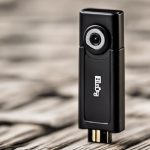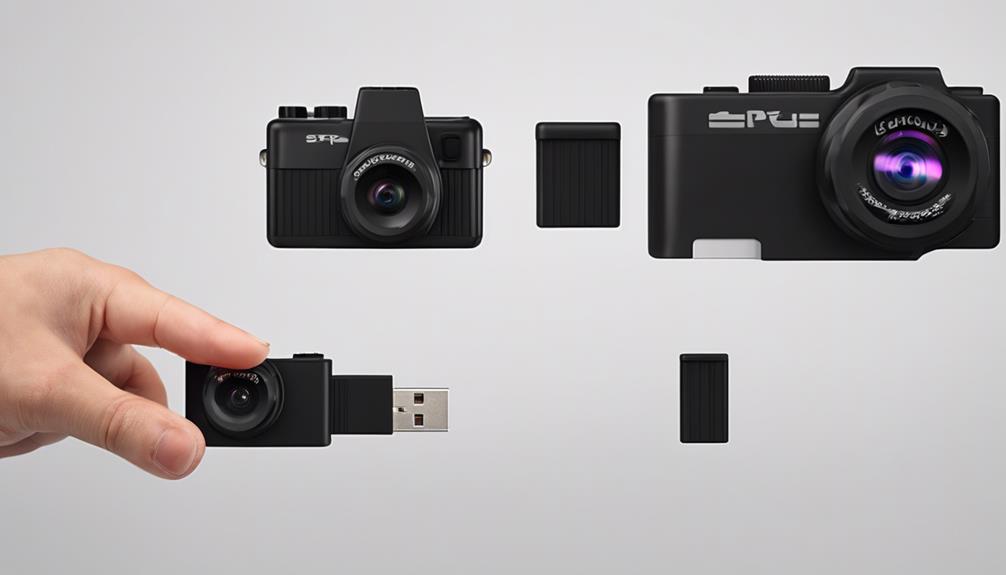

A toy security camera is a small surveillance camera built into, or disguised as, an object such as a stuffed animal, action figure, doll, or decorative item. Its appearance can make it less noticeable than a conventional indoor camera, which may be useful when monitoring a nursery, entryway, pet area, or another shared living space. Recognizing toy security features can help you compare miniature surveillance models for discreet monitoring needs.
These devices should be chosen for a clear and lawful purpose. Their discreet design makes privacy especially important: a camera that blends into its surroundings should never be used to record people in places where they reasonably expect privacy.
How a toy security camera works
Although the exterior may look like a toy, the internal components are similar to those found in other compact cameras. A typical unit includes a small image sensor, lens, recording system, and power source. Depending on the model, footage may be saved to a memory card, sent over Wi-Fi to a phone, or uploaded to a cloud service.
The lens may be positioned behind fabric, inside a button or eye, or within another part of the object. Some designs are intended for stationary indoor monitoring, while others are incorporated into toys or figures that can be moved. Access to the charging port and storage compartment is an important practical consideration, since the camera will need regular maintenance.
Features to compare
Toy security cameras range from simple recording devices to connected cameras with remote-access features. Before choosing one, compare the functions that match the intended use rather than focusing only on the camera’s appearance.
- Recording mode: Continuous recording uses more storage and power, while motion-triggered recording can capture activity more efficiently.
- Video resolution: Higher resolution can make details easier to see, but it generally requires more storage space and bandwidth.
- Storage: Local microSD storage keeps recordings on the device. Cloud storage can make footage easier to access remotely but may introduce additional account, privacy, or service considerations.
- Wi-Fi and mobile access: A connected model may provide live viewing, alerts, and playback through an app. Its usefulness depends on a stable wireless connection and a dependable app.
- Night viewing: Night vision can help in dim rooms, but check whether the camera uses visible lights that could reveal its location.
- Audio: Some models include microphones or two-way communication. Audio recording can be subject to stricter legal requirements than video.
- Power: Battery-powered cameras are easier to place but require charging. Consider battery life, charging access, and whether motion activation can reduce power consumption.
Design, safety, and durability
Concealment is only useful if the object still looks natural in its surroundings. A lens that is poorly positioned, blocked by fabric, or visibly different from the rest of the toy can reduce image quality and make the device conspicuous. The camera should also remain accessible enough for charging, storage changes, and troubleshooting.
If children or pets can reach the object, physical construction matters. Electronics should be securely enclosed, with no loose parts, exposed wiring, or easily accessible battery compartment. A toy containing a camera should not be treated as an ordinary plaything unless it is specifically designed and labelled for that purpose. Keep charging equipment and removable storage away from young children. For extra peace of mind, toy camera checks can help identify unexpected surveillance devices nearby.
Appropriate uses
A toy-style camera may suit monitoring in shared areas such as a living room, hallway, nursery entrance, or pet area. It can also provide a discreet-looking alternative where a large camera would be distracting. Decide in advance what activity needs to be observed, how long footage should be retained, and who should be able to access it.
For many situations, an openly visible security camera is the better choice. Visible equipment communicates that recording is taking place and can make consent and expectations clearer. A concealed camera should not be used to spy on household members, guests, employees, caregivers, or service providers without considering applicable consent requirements.
Privacy and legal responsibilities
Rules governing surveillance differ by location, and audio recording may have separate requirements. As a basic safeguard, never place a camera in bathrooms, bedrooms used by others, changing areas, or other private spaces. Inform affected people when disclosure or consent is required, particularly in homes with adults, visitors, employees, or childcare providers.
Protect recorded footage with strong account credentials and limit access to people who genuinely need it. Avoid unnecessary cloud uploads, review retention settings, and delete recordings when they are no longer needed. If an incident must be documented, preserve only the relevant material and handle it securely.
Choosing responsibly
The best toy security camera is not necessarily the smallest or most concealed model. Start with the monitoring goal, then weigh recording mode, image quality, power, storage, connectivity, physical safety, and privacy controls. Used in an appropriate shared space and within local rules, a toy-style camera can provide practical indoor monitoring without replacing sound security practices or respect for the people being recorded.