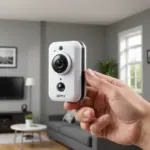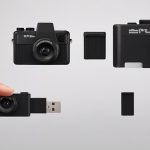

Small cameras can support practical projects such as home security, pet monitoring, delivery awareness, and wildlife observation. However, a discreet camera should never be treated as a way to bypass another person’s privacy. The right choice depends on where the camera will be used, how footage will be stored, whether live access is needed, and what local law permits. If you found an Amature Hidden Cam post, review covert device types and features for discreet, lawful recording.
Common types of amateur hidden cameras
“Hidden camera” describes a broad range of compact devices rather than one specific product category. Some are designed to blend into their surroundings, while others are simply small enough to install without attracting attention.
- Pinhole cameras: These use a very small lens and may be installed in a suitable enclosure. Their usefulness depends on having a clear view and enough light.
- Wearable or button-style cameras: Compact units designed for hands-free recording. Their use requires particular care because people nearby may not know they are being recorded.
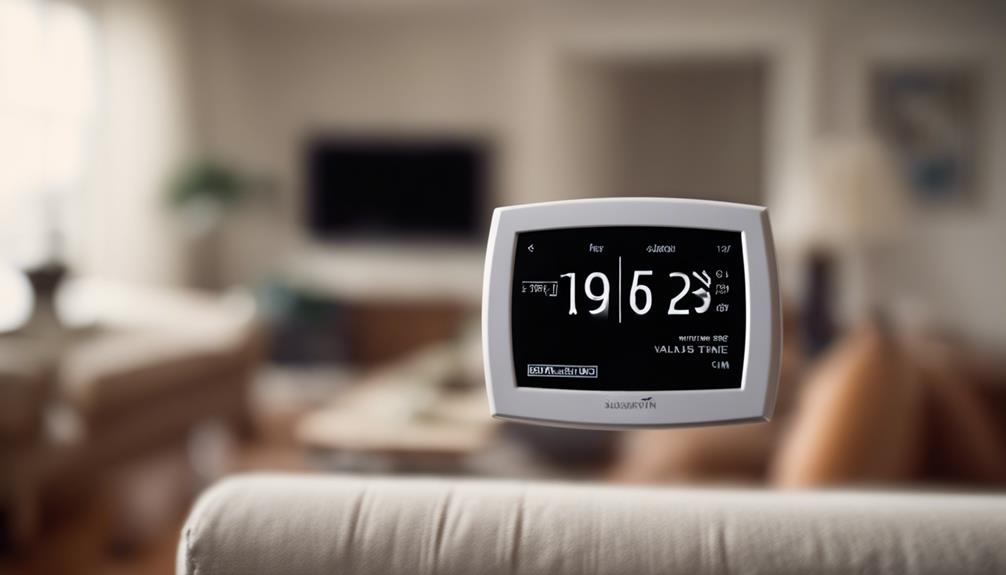
- Object-style cameras: Cameras integrated into items such as clocks, picture frames, or power adapters. These should only be used in locations where recording is lawful and appropriate.
- Trail cameras: Weather-resistant devices intended primarily for outdoor observation and wildlife monitoring. They commonly use motion-triggered recording and are built for extended periods away from mains power.
- Wi-Fi micro cameras: Models that can provide remote viewing or notifications through a phone or network connection. They require careful account and network security.
- Local-storage cameras: Devices that save recordings to a memory card rather than transmitting them continuously. They can be useful where an internet connection is unavailable or unnecessary.
Features that matter most
Image quality and night recording
Resolution affects how clearly a recording shows faces, objects, and activity. A higher resolution is not automatically better if the lens, lighting, or storage capacity is inadequate. For low-light areas, check whether the camera offers infrared night vision and test the actual viewing angle after installation.
Motion detection and recording modes
Motion-triggered recording can reduce unnecessary footage and help preserve battery life and storage space. Adjustable sensitivity is useful because a setting that is too high may record every change in light, moving branch, or passing vehicle. Scheduled recording may be more suitable when activity occurs at predictable times.
Power and storage
Battery-powered cameras are easier to position but need a charging or replacement routine. Wired models can operate for longer periods, although cables may make installation more visible. Consider how recordings will be retained, how often storage must be cleared, and whether important clips can be exported securely.
Connectivity and security
Wi-Fi access is convenient for live viewing and alerts, but it also means recorded data and camera controls may be accessible through a network account. Use a strong, unique password, enable available account protections, update the device software, and avoid sharing access unnecessarily. A camera with local storage may be preferable when remote access is not required. For discreet recording after dark, compare night vision performance before choosing a suitable hidden camera.
Appropriate uses
Discreet cameras can have legitimate uses when everyone affected is treated fairly and the installation complies with applicable rules. Examples include monitoring an entrance or delivery area at a private home, checking on pets, observing wildlife without disturbing it, or watching a specific business area where surveillance has been properly disclosed.
For childcare, caregiving, household help, or workplace monitoring, the privacy expectations of other people are especially important. A visible security camera may provide the needed protection without creating the same concerns as a concealed device. Select the least intrusive option that accomplishes the intended purpose.
Installation and setup guidance
- Choose a position with a clear view of the relevant area rather than recording more space than necessary.
- Keep cameras away from bathrooms, changing areas, bedrooms used by other people, and other places where privacy is expected.
- Confirm that outdoor equipment is suitable for the weather, or place it under appropriate shelter.
- Test the view during both daytime and nighttime conditions before relying on the recording.
- Check battery life, storage capacity, date and time settings, and motion sensitivity.
- Secure the camera and any memory card so footage cannot be accessed by unauthorised people.
Legal and ethical boundaries
Rules vary by location, but recording people in places where they reasonably expect privacy is commonly restricted or prohibited. Audio can create additional legal concerns, particularly when conversations are recorded without the required consent. Workplace, rental-property, childcare, and caregiving situations may also involve specific obligations.
Before installing an amateur hidden camera, identify who may be recorded, what information is necessary, how long footage will be kept, and who can view it. Obtain consent or provide clear notice whenever required, and avoid collecting more footage than the stated purpose demands. Responsible use is not only about whether a camera can be concealed; it is about whether recording is justified, proportionate, secure, and respectful.