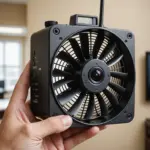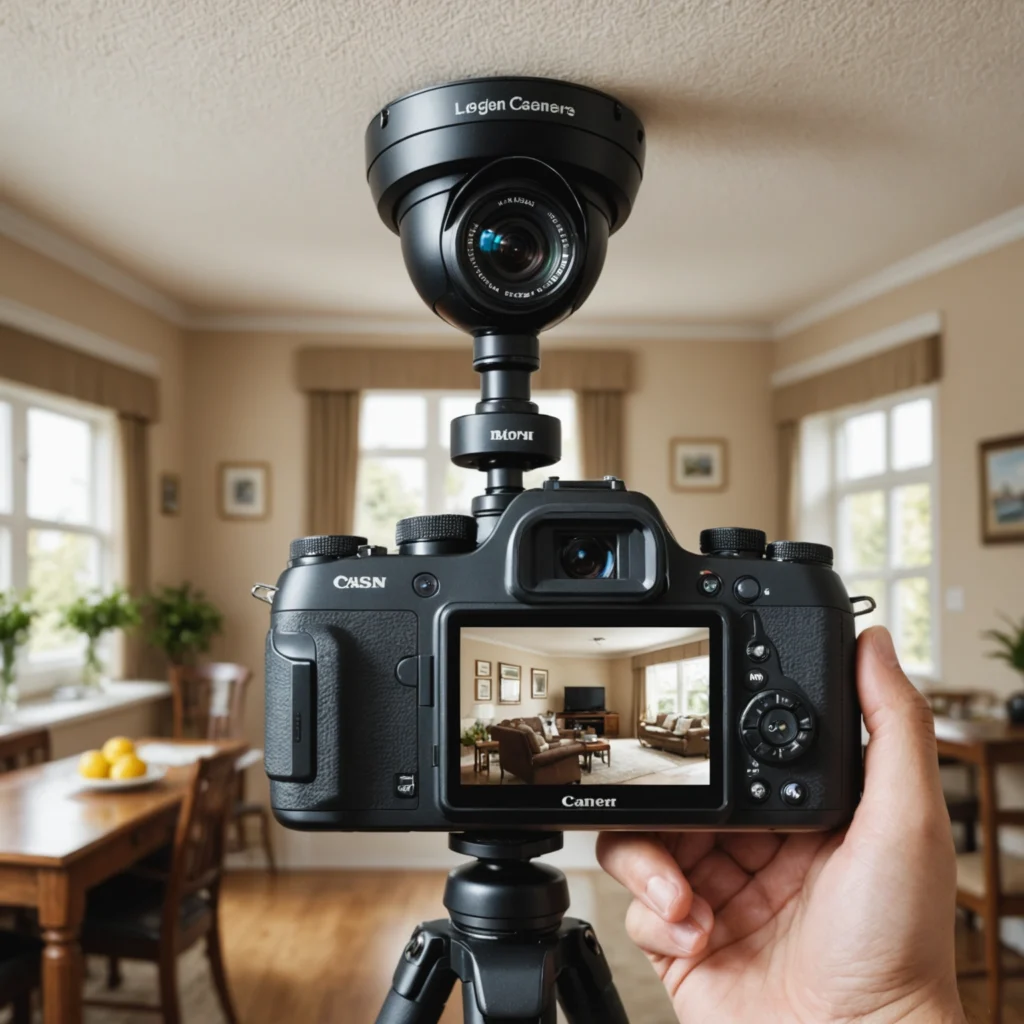

A shampoo bottle spy camera is a compact surveillance device designed to resemble an ordinary personal-care product. The camera and recording hardware are concealed inside a bottle-style casing, allowing the unit to blend into a bathroom, bedroom, kitchen, or other setting where similar containers are normally kept.
Although the disguise may make this type of camera less noticeable than conventional security hardware, appearance should not be the main reason to choose one. Video quality, power management, storage, placement, and privacy obligations all matter. Covert monitoring can also create serious legal and ethical problems when people are recorded without permission, especially in private spaces.
How a shampoo bottle camera works
Most models place a small lens behind an opening in the bottle casing. Internal electronics handle recording, power, and, on some devices, wireless transmission. Depending on the design, footage may be saved to a microSD card or sent over Wi-Fi to a smartphone app.
The exterior is made to look like a typical shampoo or personal-care container. Details such as a product label, screw top, and bottle shape help it fit naturally among other household items. However, the need to conceal the lens and electronics can limit the camera’s viewing angle and the size of its battery.
Features to assess before buying
Compare the practical specifications rather than focusing only on the novelty of the disguise. Important points include:
- Video resolution: Higher resolution can make faces and other details easier to distinguish, while lower-quality footage may be less useful for reviewing an incident.
- Low-light performance: Night vision or adequate low-light recording may be important in rooms with changing illumination.
- Storage: Check whether the camera uses a microSD card, internal storage, or cloud storage. Cloud-based options may involve ongoing subscription costs.
- Connectivity: Wi-Fi access and a mobile app can make it easier to review footage, but connected devices also require careful attention to account and network security.
- Recording modes: Continuous recording uses more power and storage, while motion-activated recording may extend operating time.
- Battery and charging: A small concealed device may have limited battery life. Review how it charges and whether the proposed location allows safe access to power.
- Moisture resistance: A bottle-shaped housing is not automatically waterproof. Keep the device away from direct water, heavy steam, and damp surfaces unless its specifications clearly support that environment.
Choosing a suitable location
Placement affects both the quality of the footage and the safety of the device. A bottle may fit on a shelf, counter, or vanity where similar containers are already present. Before using it, test the camera’s field of view and confirm that the lens captures the intended area rather than a wall, ceiling, or obstruction.
Never use a concealed camera to record people in bathrooms, showers, toilets, changing areas, or other places where they reasonably expect privacy. These locations present especially serious ethical and legal concerns. For any permitted monitoring, limit the view to the smallest area necessary and avoid recording people who have not agreed to be monitored.
Legal and ethical responsibilities
Surveillance laws differ by location. Rules may address video recording, audio capture, consent, notice, the use of footage, and monitoring employees, guests, tenants, or caregivers. Audio can be subject to additional restrictions, so features such as microphones or two-way communication should not be enabled casually.
Before installing any camera, check the laws that apply where the device will be used. Obtain consent when required, tell household members or staff about monitoring where appropriate, and avoid collecting more footage than necessary. Recording someone secretly in a private setting can cause significant personal harm as well as legal consequences.
Advantages and limitations
The primary appeal of a shampoo bottle camera is its ability to blend into an environment containing similar everyday objects. It may also be easy to reposition. However, the small form factor can mean shorter battery life, a narrower viewing angle, limited lens placement, and greater vulnerability to moisture. A disguised bottle may therefore be less suitable for long-term monitoring or situations requiring a broad, consistently powered view.
When lawful surveillance is necessary, compare this option with visible security cameras and other camera designs. Select the least intrusive solution that meets the legitimate purpose, and treat privacy, consent, and secure handling of recordings as essential parts of the decision—not optional extras.