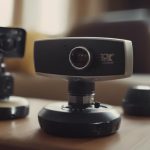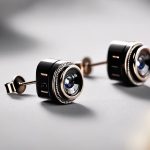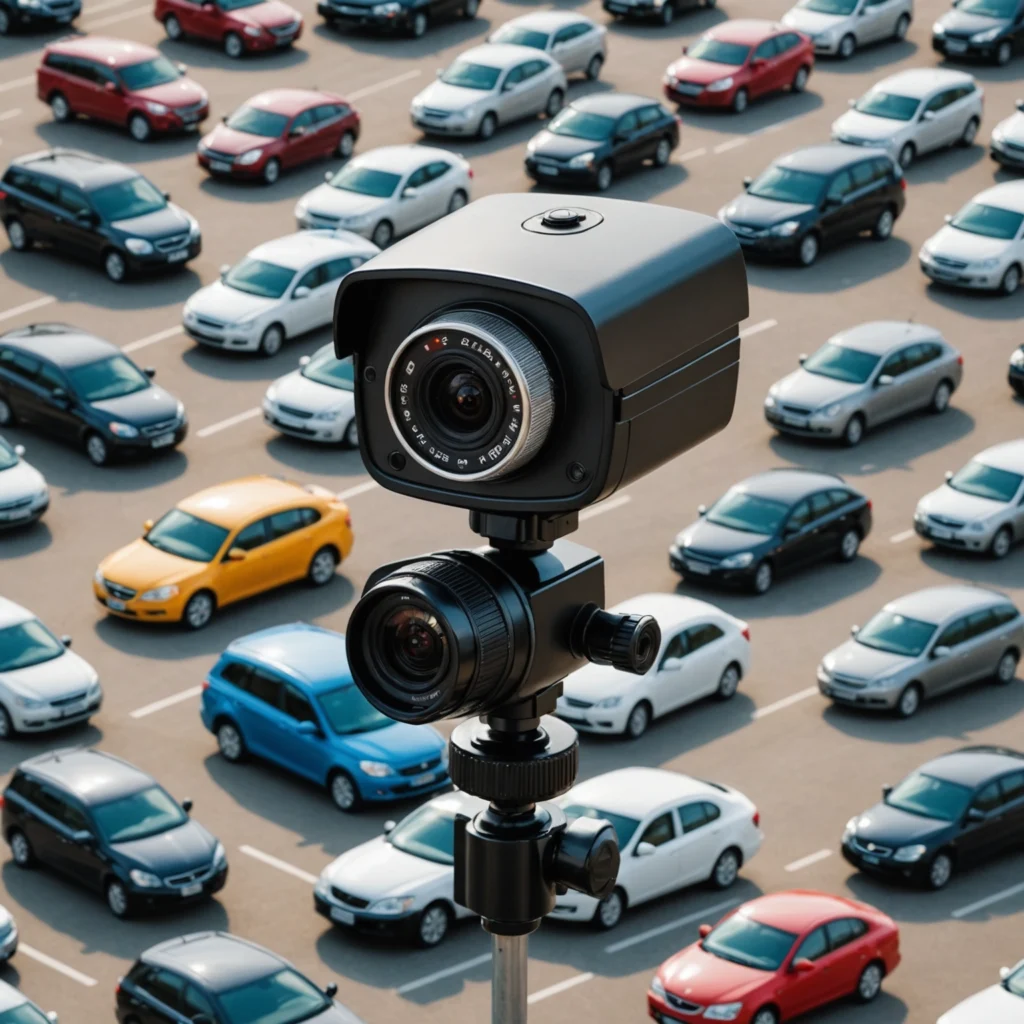

A spy bug is a physical surveillance device designed to capture audio, video, or both without attracting attention. The term may describe anything from a small microphone or recorder to a miniature camera built into an everyday object. These devices can serve legitimate purposes in security, investigations, and safety monitoring, but their use raises important privacy, consent, and data-protection issues.
What is a spy bug?
Traditional spy bugs are hardware devices placed in a location, carried by a person, or installed in a vehicle. They collect information at the scene, either storing it internally or sending it to another device. A hidden camera may record video to local storage, while an audio transmitter can send sound to a nearby receiver or another connected system.
This is different from a spyware bug. Spyware is software installed on a phone, computer, or other digital device. It may monitor messages, keystrokes, calls, files, or screen activity. A physical bug observes its surroundings; spyware monitors the device on which it has been installed. Both can invade privacy, but they involve different technical and legal concerns.
Common types of physical surveillance devices
Spy bugs vary considerably in their capabilities and limitations. Common categories include:
- Audio recorders: Devices that save conversations or other sounds for later retrieval. They do not necessarily transmit a signal while recording.
- Audio transmitters: Microphones that send sound to a receiver. Their usefulness depends on factors such as power, distance, and interference.
- Miniature cameras: Small cameras intended to record video in locations where a conventional camera would be impractical. Video quality depends on lighting, lens design, storage, and power.
- Network-connected cameras: Devices that can provide remote viewing through a Wi-Fi or cellular connection. They require reliable connectivity and strong account security.
- Combined audio-video systems: Units that capture sound and images together, creating a more complete record of an event.
A device’s appearance does not determine whether its use is lawful. A camera or microphone concealed in an ordinary object may still be subject to the same recording and privacy rules as more obvious equipment.
Choosing a device for a legitimate purpose
The appropriate equipment depends first on the lawful objective. Someone documenting activity on property they control may need video, audio, or simply motion alerts. A professional investigator working with proper authorization may have different requirements from a homeowner using a visible security camera.
Important features to compare include:
- Recording method: Local storage avoids dependence on a live connection, while remote viewing requires a stable network or cellular service.
- Battery life and power: Longer monitoring periods require suitable power planning and regular maintenance.
- Image and sound quality: A small form factor may involve trade-offs in low-light performance, microphone range, or recording clarity.
- Storage capacity: Devices may use removable storage, internal memory, or connected cloud services.
- Security: Strong passwords, access controls, and protected data transfer help reduce unauthorized access to recordings.
- Reliability: Heat, poor lighting, network interruptions, and background noise can affect the usefulness of captured material.
How surveillance bugs can be detected
Concern about a hidden camera or microphone should be addressed methodically rather than through assumptions based on a single device or app. A physical inspection can identify unfamiliar equipment, altered fixtures, unexpected wires, or small lenses. Radio-frequency detectors may identify some transmitting devices, but they cannot find every recorder and can produce false alarms.
For higher-risk environments, a qualified technical surveillance countermeasures professional can combine physical inspection with signal analysis and equipment testing. Digital privacy concerns require a separate approach, including updating devices, reviewing installed applications, securing accounts, and using reputable security software. If a suspected device is found, avoid tampering with it when evidence may matter; document its location and seek appropriate professional or legal advice.
Legal and ethical responsibilities
Recording laws differ by jurisdiction and may depend on whether the recording captures audio, where it occurs, who owns the premises, and whether the people involved gave consent. Private conversations often receive stronger protection than activity in openly public areas. Workplace, residential, vehicle, and childcare situations can involve additional rules.
Before using any covert recording equipment, obtain legal advice when the situation is uncertain and confirm whether consent, notice, a warrant, or another form of authorization is required. Do not assume that a protective motive automatically makes secret surveillance lawful.
Responsible use also includes limiting collection to what is necessary, restricting access to recordings, protecting stored files, and deleting information when it is no longer needed. Used within the law and with respect for privacy, surveillance technology can support security and legitimate investigations. Used without authorization, the same technology can cause serious personal, legal, and reputational harm.