
Bathrooms, changing rooms, locker rooms, and similar spaces carry a strong expectation of privacy. A concealed camera in one of these areas can expose people to serious harm and may violate criminal, civil, employment, or data-protection laws. Even when the stated goal is security, secretly recording someone while they use a bathroom is rarely an appropriate solution.
This guide explains why bathroom spy cameras are especially problematic, describes the kinds of small devices sometimes marketed for covert recording, and outlines safer ways to protect people and property without filming private activity.
Why hidden cameras in bathrooms are a serious concern
People generally expect to undress, bathe, and use toilet facilities without being watched or recorded. That expectation can apply whether the space is in a home, workplace, rental property, school, hotel, care setting, or public building.
Rules differ by country, state, and circumstance, but secretly recording private activity can result in criminal investigation, civil claims, job or professional consequences, and substantial reputational damage. Audio recording may create additional legal issues. The fact that a camera is small, wireless, or installed by a property owner does not remove the privacy obligations involved.
Good intentions do not automatically make covert monitoring lawful. Concerns about a child, an older adult, a tenant, an employee, or possible theft should be addressed with measures that are proportionate, transparent, and limited to areas where people do not reasonably expect privacy.
What people mean by “spy camera”
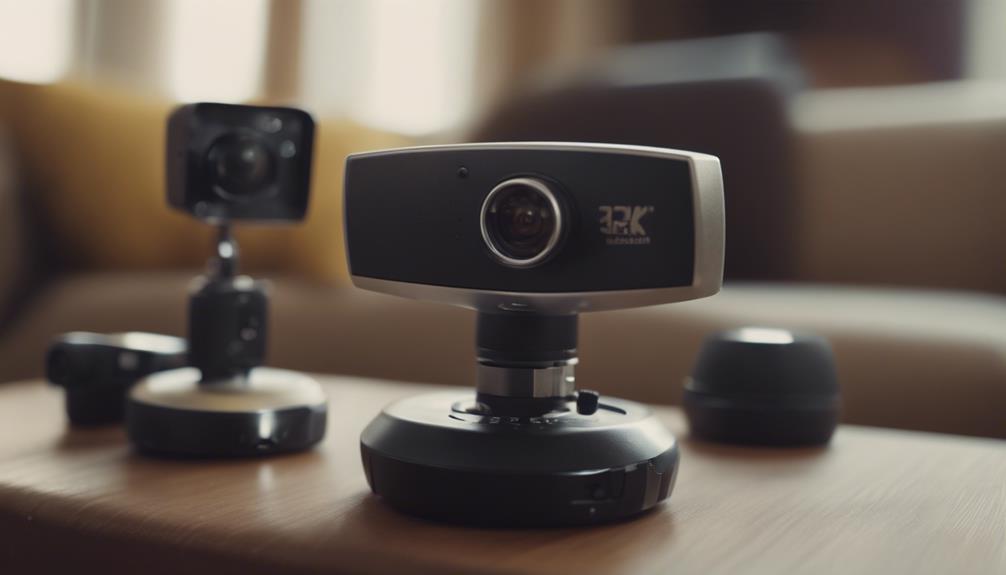
The term usually refers to a small camera designed to be difficult to notice or disguised as another object. Common categories include:
- Miniature or pinhole cameras: Compact cameras with a small lens opening and either local storage or wireless transmission.
- Button-style cameras: Cameras designed to blend into clothing or other small surfaces.
- Disguised-object cameras: Devices built into products such as clocks, chargers, smoke detectors, or decorative objects.
These descriptions are useful for understanding privacy risks, not for selecting or concealing a device. A camera hidden in a bathroom fixture, dispenser, mirror, vent, or other object can capture highly sensitive activity and should not be used without a clear, lawful, and genuinely informed basis—which is difficult to establish in a private washroom.
Safer ways to address common security concerns
Start by identifying the actual problem rather than defaulting to surveillance. A concern about unauthorized entry, vandalism, welfare, or access to a property may be addressed without recording bathroom users.
- Install visible cameras at exterior doors, entrances, reception areas, or other shared locations, positioned so they do not view bathroom interiors or changing areas.
- Use door and window contacts, smart locks, alarms, or motion sensors to detect access without creating intimate video footage.
- For welfare concerns, consider scheduled check-ins, emergency call buttons, or other agreed monitoring arrangements.
- For homes and childcare settings, keep cameras in openly monitored common areas and discuss their use with the people affected.
- For workplaces, rentals, and care environments, follow written policies and applicable notice and consent requirements.
How to deploy lawful security cameras responsibly
Any camera used in a permitted area should be visible where practical and aimed only at the space that needs protection. Before installation, establish who may view recordings, how long footage will be retained, and how it will be deleted. Use strong, unique passwords, change default login details, enable available security protections, and keep device software updated.
Clear signs may be appropriate where surveillance operates in shared areas, but signage is not a substitute for consent or a justification for filming a private room. In employment, care, education, and rental situations, obtain appropriate legal guidance before installing equipment. Requirements can depend on the location, the people being recorded, the purpose of monitoring, and whether audio is captured.
If you suspect a hidden camera in a bathroom
If you notice an unfamiliar object, lens, wire, or device in a bathroom, avoid handling it more than necessary. If it is safe to do so, leave the area, document what you observed without compromising evidence, and contact the property manager, responsible organisation, or law enforcement. A qualified privacy or legal professional can help explain reporting and evidence-preservation options in your area.
Choose privacy over covert recording
Searches for “bathroom spy cameras” often reflect a desire to prevent theft, protect a vulnerable person, or investigate suspicious activity. Those goals deserve a response, but secretly filming inside a bathroom is an invasive and legally risky approach. Visible security at entrances, nonvisual sensors, transparent policies, and consent-based welfare checks can provide meaningful protection while respecting dignity and personal privacy.