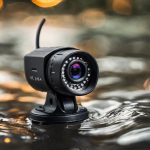

A mini body camera with audio is a compact wearable recorder that captures video and synchronized sound from the user’s point of view. These devices can be clipped to clothing, attached to equipment, or mounted using a chest, shoulder, or lapel configuration. Their small size makes them practical for documenting interactions and incidents where a traditional camera would be inconvenient. Explore mini body variants to understand how audio-equipped designs fit into broader covert recording device categories.
Audio adds important context to a recording. Voices, instructions, background sounds, and other details can help explain what happened beyond the images alone. However, recording sound also creates additional legal and privacy responsibilities, so the device should be selected and used with care.
What to look for in a mini body camera
The best features depend on whether the camera is intended for personal safety, professional documentation, investigation work, or another lawful purpose. Consider the complete recording system rather than focusing on video resolution alone.
Audio quality
Microphone quality and placement have a direct effect on how clearly conversations are captured. A microphone that is blocked by clothing may produce muffled recordings, while a position closer to the speaker can improve voice clarity. If possible, review sample recordings and pay attention to speech intelligibility, background noise, and whether the audio remains synchronized with the video.
Video resolution and viewing angle
Higher resolution can make faces, signs, and other visual details easier to review, but it may also create larger files and use more storage. A wide-angle lens can record more of the surrounding scene, although it may introduce distortion near the edges. Choose a balance that suits the environment in which the camera will be used.
Battery life and storage
Battery performance is especially important for long shifts or extended recording sessions. Check the expected recording time, charging method, and whether the battery can be replaced or recharged during use. Storage capacity should also match the intended recording schedule. A camera that fills its storage quickly may stop recording at an important moment.
File security and access controls
Recordings may contain sensitive personal information. Password protection, encryption, restricted access, and tamper-evident storage can help protect files from unauthorised changes or viewing. These features are particularly relevant when footage may be used for workplace records, investigations, or legal proceedings.
Common lawful uses
Mini body cameras with audio can support several types of documentation when used in accordance with applicable rules and policies. Examples include: For simpler, audio-free snapshots, analog photo experiments with disposable film offer a charming contrast to compact body cameras.
- Personal safety: documenting an incident or interaction for later review.
- Professional fieldwork: recording activities for private investigators or other workers who need a first-person record.
- Workplace accountability: helping document interactions involving delivery, transport, security, or customer-facing work.
- Official duties: supporting evidence collection and transparent documentation where an organisation has approved body-camera procedures.
Terms such as “police camera mini” or “mini body cam camera” may describe a small wearable format, but the label alone does not establish that a device meets the requirements of a particular agency, court, or jurisdiction.
Legal and privacy responsibilities
Audio recording laws differ between jurisdictions. Some locations require the consent of every person involved in a conversation, while others have different rules. Before recording, research the laws that apply where the camera will be used and follow any workplace, contractual, or agency policies.
Privacy expectations also matter. Recording in bathrooms, changing areas, bedrooms, private homes, or other sensitive spaces may create serious ethical and legal concerns. Avoid recording people who have a reasonable expectation of privacy unless there is a clear lawful basis and appropriate consent.
Organisations should establish written rules covering when recording is allowed, how people are notified, how long footage is retained, who may access it, and when it should be deleted. These safeguards help reduce misuse and make the handling of recordings more consistent.
Mounting and recording practices
Placement affects both the picture and the sound. A chest or collar mount often provides a stable forward-facing view, while a shoulder or lapel position may work better for documenting conversations. Keep the lens and microphone unobstructed, and test the position before relying on it in the field.
- Charge the battery and check available storage before use.
- Confirm that the date and time settings are correct.
- Make sure clothing or equipment does not cover the lens or microphone.
- Use the recording indicator or notification process required by local policy.
- Transfer and protect files promptly after recording.
- Record when footage begins and ends if maintaining an evidence log.
Choosing the right model
Start with the way the camera will be used. Long recording sessions call for dependable battery life and sufficient storage. A camera intended for professional or legal documentation should offer strong file security, controlled access, and a clear process for preserving original footage. For routine personal use, ease of mounting, reliable audio, and simple file transfer may be more important than advanced management tools.
A mini body camera with audio can provide useful visual and sound documentation, but its value depends on more than size or resolution. Evaluate audio clarity, battery performance, storage, mounting stability, and data protection together. Most importantly, use the camera transparently and lawfully, with respect for consent, privacy, and the people who may appear in the recording.