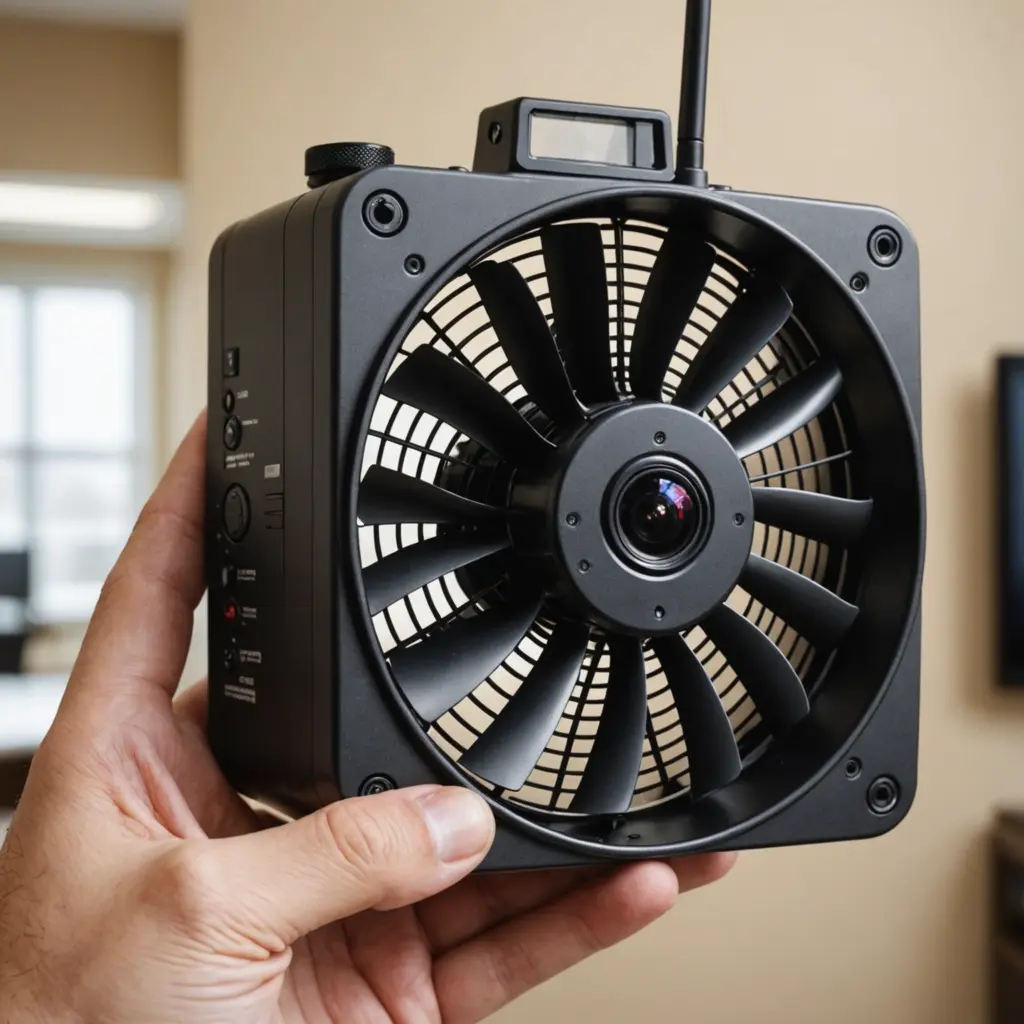

Shower cameras and bathroom surveillance devices occupy a particularly sensitive area of home and commercial security. Products may be described as waterproof cameras, showerhead cameras, hidden webcams, or cameras integrated into bathroom fixtures. However, the fact that a device can withstand moisture does not make it appropriate to use in a shower or other private space.
Bathrooms and shower areas generally carry a strong expectation of privacy. Before considering any camera, identify the actual safety or security problem you need to solve and determine whether a non-visual device can address it more responsibly.
What people mean by “shower camera”
The term can refer to several different product designs. Some devices are marketed as cameras built into or disguised as shower fixtures. Others are compact waterproof cameras intended for wet environments, while still others are ordinary indoor cameras placed near a bathroom entrance or in a visible location.
Features promoted in this category can include:
- Water resistance or waterproofing ratings, such as IP67 or IP68, depending on the product and its certification.
- Wi-Fi access for live viewing on a phone or computer.
- Local recording to removable storage.
- Motion detection, night recording, or low-light operation.
- Small housings designed to blend into fixtures or other objects.
These features should not be treated as evidence that a camera is suitable for a shower. Water exposure, steam, heat, electrical safety, installation quality, and data security all require careful consideration. A product advertised as water-resistant may not be designed for direct spray or permanent installation.
Why bathroom camera use is especially risky
Recording people in a bathroom or shower without their informed consent may violate privacy laws and can expose the person installing the device to criminal penalties, civil claims, or both. Rules differ by country, state, and local jurisdiction, but private bathing and restroom areas are commonly treated as locations where people have a heightened expectation of privacy.
Concealing a camera in a showerhead, light, vent, or other fixture creates additional ethical concerns because people may be recorded without knowing that surveillance is taking place. This remains problematic even when the stated purpose is household security, caregiving, or property protection.
Consent and transparency
Safety monitoring in a private area should be based on clear, informed consent wherever possible. Consent should explain what is recorded, when monitoring occurs, who can view the material, how long footage is retained, and how it will be protected. For children, older adults, residents of care facilities, or people who cannot provide consent themselves, additional legal and safeguarding requirements may apply.
Before installing any monitoring equipment, obtain appropriate legal advice for your location. Do not assume that a verbal agreement, a household relationship, or a good intention automatically makes recording lawful.
Safer ways to address bathroom safety
Many common concerns can be handled without capturing images of people bathing or using the toilet. Depending on the situation, consider:
- Wearable fall-detection devices or personal emergency alarms.
- Bathroom pull cords or emergency buttons connected to an alert system.
- Motion, door, temperature, or water-leak sensors.
- Timed check-in systems or scheduled visits from an approved caregiver.
- Grab bars, non-slip surfaces, improved lighting, and other fall-prevention measures.
- A visible camera positioned outside the bathroom entrance, where lawful and clearly disclosed.
These alternatives can help detect falls, flooding, or unusual inactivity while limiting the collection of highly personal visual information. They may also be easier to maintain and less likely to expose private footage if an account or device is compromised.
Security considerations for any connected device
If a camera is used in a lawful, consented setting outside the private shower area, treat its digital security as seriously as its physical installation. Use a strong, unique password, enable available encryption and multi-factor authentication, restrict access to the people who need it, and install firmware updates from the manufacturer when appropriate.
Establish a retention policy before recording begins. Store only the footage required for the stated purpose, review access permissions regularly, and delete recordings when they are no longer needed. Avoid placing sensitive footage in unsecured shared folders or sending it through unprotected messaging services.
A responsible decision checklist
Before buying or installing any bathroom-related camera, ask:
- Is the camera outside the area where people reasonably expect complete privacy?
- Has every affected person given informed consent?
- Can a sensor, alarm, or other non-camera solution meet the same need?
- Is the device genuinely suitable for moisture, heat, and its proposed installation?
- Who controls the footage, and when will it be deleted?
- Have local privacy and recording laws been checked?
In most situations, a hidden shower camera is an inappropriate solution. Visible equipment, privacy-preserving sensors, and clear consent provide a more responsible way to address safety and security without turning an intensely private space into a source of covert recordings.