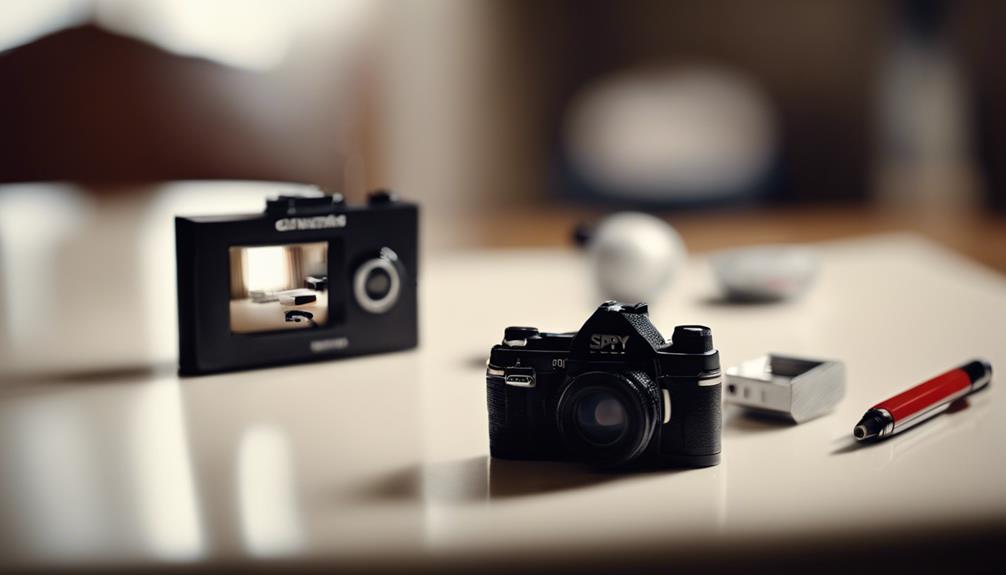

A Cute Cam is a small camera designed to look more like a decorative object, toy, desk accessory, or household item than conventional security equipment. Its approachable appearance can make it a natural fit for homes, nurseries, offices, and other indoor spaces where a bulky dome or visible bullet camera would feel out of place.
The term describes a style of camera rather than one specific technical format. Cute Cam models can differ considerably in image quality, storage, connectivity, power, and intended use. The most suitable option depends on what you need to monitor and whether the camera will remain in one location or be moved regularly.
What makes a Cute Cam different?
Traditional surveillance products often make their purpose immediately obvious. Cute Cam designs take a softer approach, using features such as animal shapes, pastel finishes, plush-inspired forms, night-light styling, or compact desktop housings. The lens and controls are usually integrated into the design so the device blends with its surroundings.
This friendly appearance can be useful when you want technology to fit naturally into a room. It may also make a nursery, workspace, or living area feel less clinical. However, an attractive exterior should not be confused with a security benefit. A camera still needs a suitable viewing angle, dependable power, and clear recording performance to be useful.
Features to compare before buying
Video quality and low-light performance
Resolution affects how much detail a recording contains. Full HD, commonly described as 1080p, is a practical baseline for many indoor monitoring tasks. Higher-resolution sensors may capture additional detail, but the result also depends on lens quality, lighting, compression, and the camera’s software.
If the camera will operate at night or in dim conditions, check how it handles low light. Night-vision capability can help in dark rooms, while a wide-angle lens can cover more of a small space. A wider view is not always better, though, because it may make subjects appear smaller or introduce distortion near the edges.
Storage and connectivity
Many compact cameras connect to a phone or network over Wi-Fi. Depending on the model, this may support live viewing, alerts, or remote access. Other devices record to a local microSD card, while some rely on a cloud service. Review the storage method carefully so you understand where recordings are saved and how long they remain available.
- Local storage: Can reduce reliance on an internet connection, but the memory card must be supplied or managed.
- Cloud storage: May simplify remote access, but can involve account requirements, ongoing fees, and additional privacy considerations.
- Phone connectivity: Useful for notifications and live viewing, provided the app is reliable and properly secured.
Power and placement
USB-powered models are generally better for continuous indoor operation near an outlet. Battery-powered designs are easier to place temporarily, but their operating time depends on battery capacity, recording settings, motion activity, and network use. Before buying, consider whether the camera will sit on a shelf, attach to another surface, or need to be moved from room to room.
Motion detection, two-way audio, and adjustable alerts can add convenience. These features may also increase power use and raise additional privacy concerns, particularly when audio is recorded.
Common uses for Cute Cam devices
A Cute Cam may suit several legitimate monitoring and recording needs:
- Pet monitoring: A small decorative camera can provide a view of a pet’s usual area while you are away.
- Nursery or family monitoring: Its less clinical appearance may fit more comfortably into a child’s room, subject to appropriate privacy practices.
- Home observation: It can help check an entryway, workspace, or other permitted indoor area.
- Small-office monitoring: In a business, a compact design may be suitable for visible monitoring where staff and visitors are informed.
- Personal content: The informal appearance can work well for video diaries, casual recording, or creative projects.
For evidence relating to property damage, harassment, or another dispute, preserve recordings carefully and confirm that the proposed recording method is lawful where you live. A camera’s small size does not automatically make its use acceptable.
Privacy, consent, and responsible use
Disguised or discreet cameras require particular care because people may not realise they are being recorded. Laws differ by location, especially for audio, shared spaces, workplaces, and recording conversations. In many jurisdictions, private areas such as bathrooms and changing rooms are strictly off-limits for surveillance.
Use a Cute Cam only for a clear, lawful purpose and place it where monitoring is permitted. Avoid recording guests, household members, employees, or service providers without understanding the consent requirements that apply. In workplaces and shared homes, clear notice and written policies can help prevent misunderstandings.
Secure the camera’s account with a strong, unique password and keep access limited to people who need it. If recordings are stored online, review the provider’s privacy and retention settings. Delete footage when it is no longer needed rather than keeping indefinite archives.
How to choose the right model
Start with the purpose, then identify the technical requirements. A pet camera may benefit from motion alerts and two-way audio, while a camera for continuous room monitoring may need dependable USB power and local storage. For temporary placement, portability and battery life may matter more than advanced networking features.
Compare sample footage, lens coverage, app usability, storage terms, and return policies where those details are available. The best Cute Cam is not simply the most charming model; it is one that provides adequate image quality, reliable operation, appropriate placement, and a level of privacy protection that matches the situation.