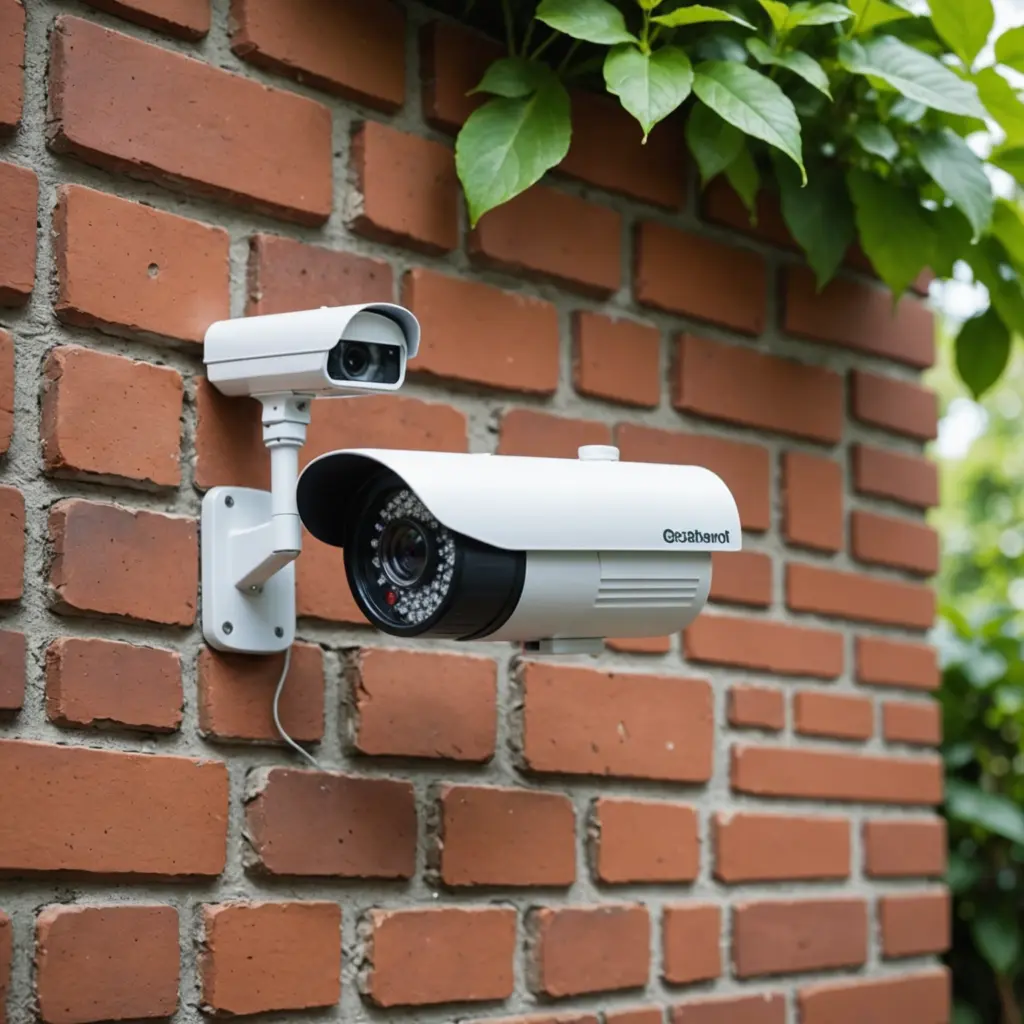

Diy Outdoor Hidden Camera Ideas are useful for homeowners and renters who want discreet monitoring without drawing attention to surveillance equipment. Whether you are trying to protect a garden, watch a driveway, or keep an eye on a back gate, thoughtful concealment improves both aesthetics and effectiveness. This article explores practical designs, legal considerations, installation methods, and real-world applications so you can plan safe and reliable outdoor monitoring using do-it-yourself techniques. These DIY outdoor setups demonstrate effective outdoor monitoring applications for property surveillance, wildlife observation, and safety.
Why choose a hidden outdoor camera
Hidden outdoor cameras serve two main purposes: deterrence when discreet and evidence collection when needed. A well-placed camera can catch suspicious behavior without broadcasting its presence, which is especially helpful in areas where visible cameras might be tampered with or stolen. For those concerned about curb appeal, diy hidden outdoor security cameras let you blend surveillance into landscaping or architectural elements, preserving the look of your property while adding a layer of protection.
Legal and privacy considerations before you build
Before attempting any project related to hiding a security camera outside, understand local laws and privacy expectations. Rules vary by state and municipality, but a general principle is that you may not record audio or video in places where people have a reasonable expectation of privacy, such as private yards of neighbors or through bedroom windows. Public areas and your own property typically have more leeway, but always check local regulations and, when appropriate, post clear notification that recording is taking place. Respectful placement reduces legal risk and preserves neighborhood trust.
Practical DIY designs that blend with the environment
Good DIY designs rely on common objects and natural cover to disguise cameras. One simple approach is to hollow out a decorative birdhouse or mailbox and mount a small camera inside, using a pinhole opening for the lens. Another option is to integrate cameras into landscape features: bury a weatherproof enclosure in a planter, place a camera behind faux rocks, or tuck a camera into a gutter endcap aimed at the entrance area. Old outdoor light fixtures can sometimes accommodate a tiny camera if you reroute wiring and use a secondary power supply. When working with any of these options, choose housings that provide ventilation and protect against moisture while keeping the lens unobstructed.
Camouflage with plants and structures
Plants, trellises, and fence posts offer natural camouflage. A compact camera with infrared night vision can be placed behind dense foliage so it detects motion without glaring through leaves. For more permanent concealment, build a small nook into a fence post or pergola beam where the camera sits flush and the lens peeks through a narrow slit. These solutions are unobtrusive, but they require careful angling to avoid blind spots and periodic maintenance to trim growth away from the lens. Explore DIY outdoor solutions to discreetly integrate reliable exterior home security systems and deter intruders.
Installation tips for reliability and longevity
When hiding a camera, don’t sacrifice function for stealth. Weatherproofing is essential: use silicone sealant and rubber gaskets on joints, choose enclosures rated for outdoor use, and position cameras to avoid direct exposure to driving rain. Power options influence placement; battery-operated units offer flexible positioning but require recurring maintenance, while hardwired cameras reduce upkeep but need careful wiring runs. Run wiring through protected conduits to prevent damage and to keep the installation tidy. Finally, ensure your chosen concealment allows easy access for cleaning and battery changes—an effective hidden camera that becomes dirty or loses power quickly will fail when you need it most.
Power, connectivity, and storage choices
Connectivity and storage are key functional considerations for any hidden camera project. Many diy hidden outdoor security cameras use Wi-Fi for convenience, but Wi-Fi signals can be weaker when the device is disguised behind dense material. In those cases, consider a wired Ethernet connection or a Wi-Fi range extender to preserve reliable data transfer. For power, solar panels paired with a battery pack can sustain devices in remote locations and reduce the need to open the concealment frequently. For storage, select between cloud recording for offsite backup and local microSD or network-attached storage for immediate access. Choose encrypted storage and a secure network to protect footage from unauthorized access.
Real-world uses and applications
Hidden cameras are useful beyond basic security. They can monitor package deliveries to prevent porch theft, document damage caused by wildlife, and keep an eye on contractors or service workers. For landlords and property managers, discreet monitoring helps ensure access areas remain secure without making tenants feel constantly watched. In community settings, volunteers have used concealed cameras to document vandalism on shared property while preserving evidence for authorities. Whatever the application, transparent policies and respect for privacy should guide deployment to avoid misuse.
Diy Outdoor Hidden Camera Ideas offer a balance of discretion, functionality, and affordability when planned responsibly. By considering legal boundaries, choosing weatherproof materials, and selecting appropriate power and storage solutions, you can create hidden setups that serve a clear purpose without becoming intrusive. Thoughtful placement and maintenance ensure these systems remain effective over time, supporting a range of practical applications from theft prevention to wildlife monitoring. With care and respect for neighbors, hidden outdoor cameras can be a practical addition to your home security toolkit.