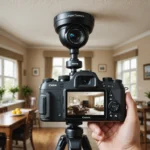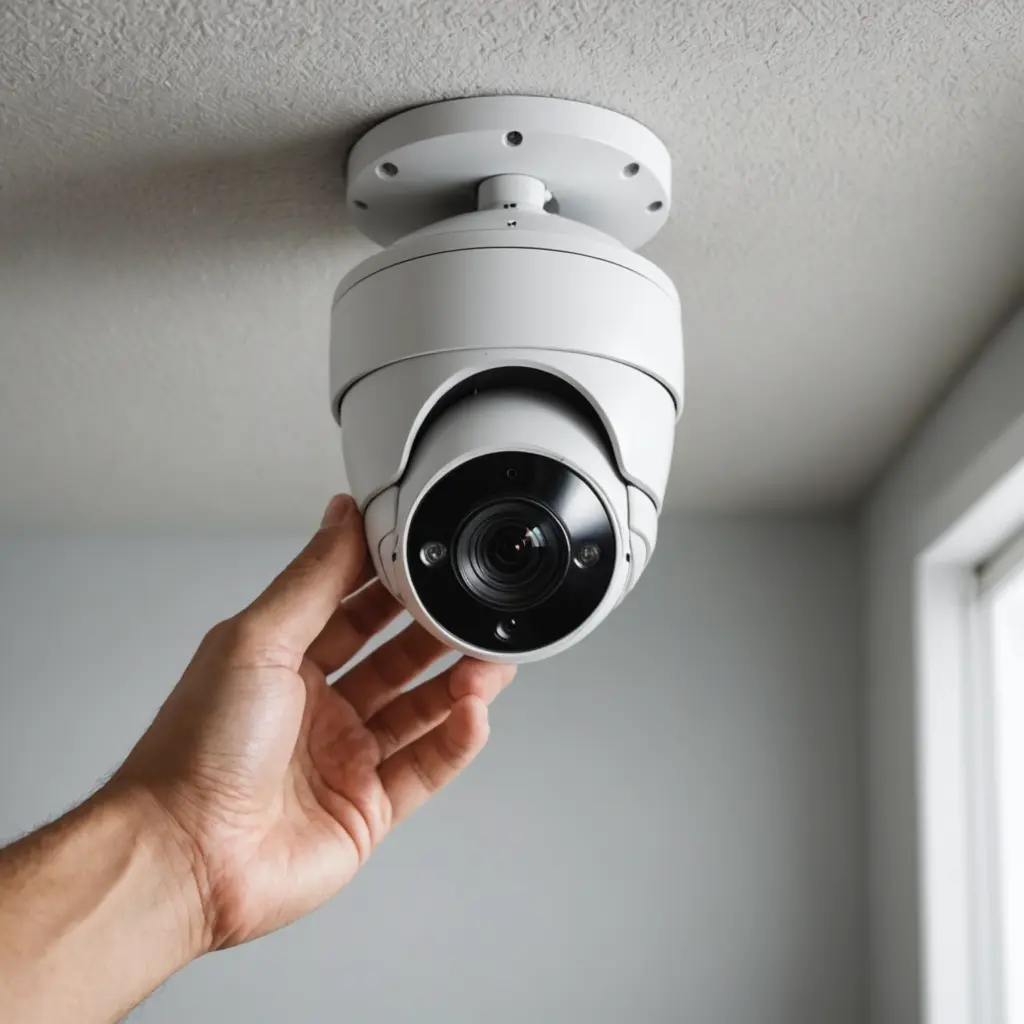

Motion sensors and cameras are often used together, but they are not the same type of device. A standard motion sensor detects movement and triggers an action, such as turning on a light or sounding an alarm. It does not automatically take photographs or record video. A motion-sensor camera combines movement detection with an imaging sensor, allowing it to record or send video when activity is detected.
How a standard motion sensor works
Standalone motion detectors are designed to identify changes in their surroundings. Common sensing methods include passive infrared (PIR), microwave, and ultrasonic detection. Depending on the system, the sensor may respond to body heat, movement patterns, or changes in the space around it.
When movement is detected, the device can activate a connected light, alarm, access-control system, or another automation. Unless the unit is specifically described as a camera or includes a lens and recording function, it should not be expected to capture visual evidence.
What makes a motion-sensor camera different?
A motion-sensor camera includes both a movement detector and a camera. The detector tells the system when activity occurs, while the camera captures images or video. Some devices record continuously, but many use motion-triggered recording to reduce unnecessary footage, conserve battery power, and make reviewing events easier.
Security cameras, video doorbells, trail cameras, and some indoor monitoring systems commonly use this arrangement. The motion sensor may be built into the camera, or the camera may receive a trigger from a separate sensor. Checking the product specifications is the most reliable way to determine which type of system you are considering.
Features to compare when choosing a motion-sensor camera
The best features depend on where and how the device will be used. Before buying, consider the following:
- Image quality: Resolution and frame rate affect how clearly people, objects, and events appear in recorded footage.
- Low-light performance: Night vision or infrared support may be important for areas that are poorly lit.
- Detection controls: Adjustable sensitivity and activity zones can help limit triggers from irrelevant movement.
- Recording method: Video may be stored locally on a memory card, transmitted to another recorder, or saved through a cloud service.
- Power source: Wired models can support continuous operation, while battery-powered cameras often rely on motion activation to extend runtime.
- Alerts and connectivity: Wi-Fi, cellular connections, and mobile notifications determine how quickly you can respond to detected activity.
- Detection accuracy: Some systems offer filtering designed to distinguish people from pets, passing vehicles, shadows, or other sources of movement.
Where motion-triggered cameras are useful
Motion-activated video can be useful at entrances, driveways, hallways, and other areas where activity is occasional rather than constant. A camera can record a delivery at a door, provide visual confirmation when an alarm is triggered, or reduce the amount of footage that must be reviewed.
Trail cameras also use motion detection to conserve battery life and storage when monitoring wildlife. In care settings, a motion-enabled camera may help alert an authorised caregiver to activity that requires attention. In each case, the system should be positioned carefully so it covers the intended area without unnecessarily recording private spaces.
Motion detection does not guarantee useful footage
A camera may be triggered without producing clear or relevant video. Shadows, insects, changing temperatures, pets, trees, and passing traffic can all create unwanted alerts. Detection zones, sensitivity settings, and suitable placement can reduce these problems. Combining a dedicated sensor with camera verification may also provide a quicker alert while giving you visual context about what caused it.
Storage and subscription requirements are another practical consideration. A device that sends video to the cloud may involve ongoing service costs, while local storage requires checking capacity and protecting the recording equipment.
Privacy and legal considerations
Using a camera in a motion detector or another concealed object can create serious privacy concerns. Recording people without their knowledge may be unlawful, particularly in places where they reasonably expect privacy, such as bathrooms, changing areas, or private rooms. Rules can also differ for audio recording, and some locations require consent from everyone involved in a conversation.
For security or monitoring in shared areas, visible cameras, clear notice, and documented permission are generally more respectful approaches than covert recording. Before installing any camera, confirm the rules that apply in your location and consider whether a non-camera motion sensor would meet your needs.
The simple answer
Most basic motion sensors do not have cameras. They detect movement and activate another device or function. Some modern security products combine motion detection and video recording in one unit, so the presence of a motion sensor alone does not indicate that a camera is present. Check for camera-specific features such as a lens, image resolution, recording storage, and video alerts when evaluating a device.